
How to select a secondary cone crusher for 220 tph granite – A practical guide for Saudi quarry operators
Why selecting the right secondary cone crusher for 220 tph granite is critical for Saudi operations
Saudi Arabia's construction sector is experiencing unprecedented growth, driven by Vision 2030 and a pipeline of giga-projects exceeding $1.3 trillion in investment. The Kingdom's aggregates market is witnessing steady growth due to rapid infrastructure development, including projects such as NEOM, the Red Sea Project, and nationwide rail network expansion. Mining and quarrying surged by 38.7 per cent in early 2026, reflecting the escalating demand for construction materials. For quarry operators supplying granite aggregates to these massive projects, selecting the right secondary cone crusher is a decision that directly impacts production capacity, product quality, and operating costs. Granite is a hard, abrasive rock with high silica content, making it one of the most challenging materials to crush. Understanding how to select a secondary cone crusher for 220 tph granite is therefore essential for achieving consistent throughput, minimising wear, and maximising profitability in the Saudi market. At OCP Mechanical Company, with over 40 years of manufacturing experience, we supply a complete range of crushing equipment, including our HST Series and HP Series cone crushers, engineered for hard rock applications, and we provide practical guidance to help Saudi operators make the right choice.
Understanding granite and its crushing requirements
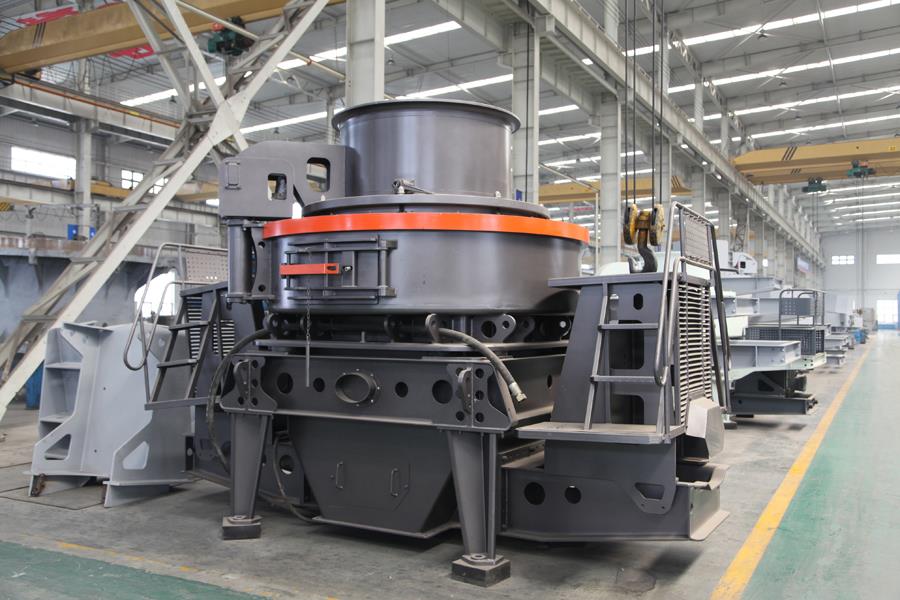
Granite is an igneous rock with a Mohs hardness of 6‑7 and a compressive strength typically ranging from 150 to 250 MPa. Its high quartz and feldspar content makes it moderately to highly abrasive, accelerating wear on crusher liners and other components. For a 220 tph secondary crushing application, the feed to the cone crusher typically comes from a primary jaw crusher and consists of material in the 50‑150 mm size range. The secondary crusher must reduce this material to a size suitable for tertiary crushing or final screening—typically 20‑60 mm. The closed side setting (CSS) of the cone crusher is the primary control for product size, and for granite, a CSS of 16‑25 mm is common for secondary applications. When you are evaluating how to select a secondary cone crusher for 220 tph granite, the feed characteristics, the desired product size, and the abrasiveness of the material are the key parameters that determine the crusher size, chamber profile, and liner material. Our HST Series cone crushers are designed with a robust frame and high crushing force, making them well‑suited for the demanding conditions of granite crushing.
Key selection criteria – feed size and capacity
The first step in how to select a secondary cone crusher for 220 tph granite is to match the crusher's capacity to the production target. The crusher must be capable of processing 220 tonnes per hour of granite feed, with a small margin for feed variations. This requires a cone crusher with a feed opening of at least 200‑250 mm and a motor power of 200‑300 kW, depending on the desired product size and the crusher's reduction ratio. The crusher's capacity is influenced by the CSS, the feed gradation, and the material's work index. For granite, with a work index typically around 15‑20 kWh/t, the crusher must be sized to handle the high power draw associated with hard rock crushing. Oversizing the crusher increases capital cost, while undersizing leads to bottlenecks and reduced throughput. Our engineering team can perform a detailed capacity calculation based on your specific feed and product requirements, ensuring that the selected crusher meets the 220 tph target consistently.
Chamber profile and liner selection for granite
The chamber profile and liner material are critical considerations in how to select a secondary cone crusher for 220 tph granite. The chamber profile determines the reduction ratio and the shape of the product. For secondary crushing of granite, a fine or medium chamber is typically used, depending on the feed size and the desired product. A finer chamber provides a higher reduction ratio but may have a lower capacity. The liner material is equally important. For granite, which is abrasive, manganese steel liners with a high manganese content (18‑22 per cent) offer the best balance of wear resistance and toughness. For particularly abrasive granite, high‑chrome or alloy liners may be considered. The liner profile also affects product shape; a profile with a longer parallel zone tends to produce a more cubical product, which is highly desirable for concrete aggregates. Our HP Series cone crushers offer a range of interchangeable liners, allowing you to select the optimal profile and material for your specific granite application.
Hydraulic system and automation features
Modern cone crushers are equipped with hydraulic systems that provide several advantages for granite crushing. The hydraulic system allows for quick adjustment of the CSS, enabling the operator to respond to changes in feed size or product requirements. It also provides tramp iron protection—if an uncrushable object enters the crushing chamber, the hydraulic system can release the pressure, allowing the object to pass without damaging the crusher. Automation features, such as load‑sensing control, adjust the feed rate and CSS automatically to maintain a consistent power draw and product quality. For granite, where feed variations can be significant, these automation features are particularly valuable. When you evaluate how to select a secondary cone crusher for 220 tph granite, the level of automation and hydraulic capability is a key differentiator. Our HST Series crushers are equipped with advanced automation systems that monitor power draw, oil temperature, and CSS, providing real‑time data to optimise performance.
Saudi operating environment – climate, power, and logistics
Saudi Arabia's extreme climate, with summer temperatures exceeding 45°C, places additional demands on cone crushers. High temperatures can affect the performance of the crusher's lubrication system and the hydraulic oil. When selecting a cone crusher, it is important to specify high‑temperature lubricants and, where necessary, additional cooling for the oil system. The power supply in Saudi Arabia is generally stable at 380V/50Hz, but voltage fluctuations can occur in remote areas; a variable frequency drive (VFD) can help to stabilise the crusher's operation. Logistics are another consideration; many granite quarries are located in remote areas with limited access. The crusher should be designed for modular transport, with components that can be shipped in containers and assembled on site. Our team has extensive experience shipping to Saudi Arabia and can ensure that your crusher arrives on time and is installed correctly. These environmental and logistical factors are essential considerations in how to select a secondary cone crusher for 220 tph granite.
Sample crusher selection summary (For reference only)
| Parameter | Recommended Value |
|---|---|
| Crusher model | HST Series or HP Series (comparable to industry standards) * |
| Feed opening | 200‑250 mm * |
| Motor power | 200‑300 kW * |
| Closed side setting (CSS) | 16‑25 mm * |
| Chamber profile | Fine or Medium * |
| Liner material | 18‑22% manganese steel * |
| Automation | Load‑sensing control, hydraulic CSS adjustment * |
All figures and recommendations are for reference only and are continuously updated. For the latest parameters, please consult our online customer service. Prices are for reference only and are subject to change based on configuration and market conditions. Actual results may vary depending on feed characteristics, operating conditions, and maintenance practices. OCP Mechanical reserves the right to update technical data and pricing without prior notice.
Why OCP Mechanical is your partner for cone crusher selection in Saudi Arabia
With over 40 years of manufacturing experience, OCP Mechanical combines engineering excellence with a deep understanding of the Saudi quarrying sector. We are a factory‑direct supplier, meaning you avoid the markups charged by dealers and intermediaries. Our HST Series and HP Series cone crushers are built with high‑quality components and are designed for reliable operation in the demanding Saudi climate. We provide comprehensive after‑sales support, including spare parts availability, technical assistance, and on‑site training. Our logistics team has extensive experience shipping to Saudi Arabia, ensuring timely delivery of equipment and parts. We are committed to helping you achieve efficient, productive granite crushing that supports your business growth.
Conclusion – Choose the right secondary cone crusher and meet Saudi's growing granite demand
Selecting the right secondary cone crusher for granite is a critical decision that directly affects your production capacity, product quality, and operating costs. By understanding the key selection criteria—feed size, capacity, chamber profile, liner material, hydraulic features, and the Saudi operating environment—you can make an informed choice that meets your 220 tph target. OCP Mechanical offers the equipment, expertise, and factory‑direct pricing you need to succeed. Our online customer service team is available 24/7 to provide free consultation, technical data, and a customised quotation for your operation. Click the chat button now – let us help you implement the right solution for how to select a secondary cone crusher for 220 tph granite and build a more efficient, profitable quarry operation in Saudi Arabia.
-
-
-
-
Cone crusher thread wear detection method for preventive maintenance
-
Mobile impact crusher blow bar replacement frequency for concrete recycling



