Troubleshooting jaw crusher poor reduction ratio
Why reduction ratio matters for jaw crusher performance
The reduction ratio of a jaw crusher—the ratio of feed size to product size—is one of the most critical indicators of crushing efficiency. A poor reduction ratio means the crusher is not achieving the expected size reduction in a single pass, leading to increased recirculating load, higher energy consumption, and reduced plant throughput. For operators processing hard rock, recycled concrete, or abrasive ores, a jaw crusher delivering insufficient reduction can significantly impact profitability. Understanding how to diagnose and correct this issue is therefore an essential skill for plant managers and maintenance teams worldwide. The Troubleshooting jaw crusher poor reduction ratio process involves systematically checking feed conditions, crusher settings, and mechanical integrity. OCP Mechanical Company, with over 40 years of direct manufacturing experience, offers jaw crushers engineered for reliable performance and provides factory‑direct technical support to help operators identify and resolve reduction ratio problems quickly.
Common causes of poor reduction ratio
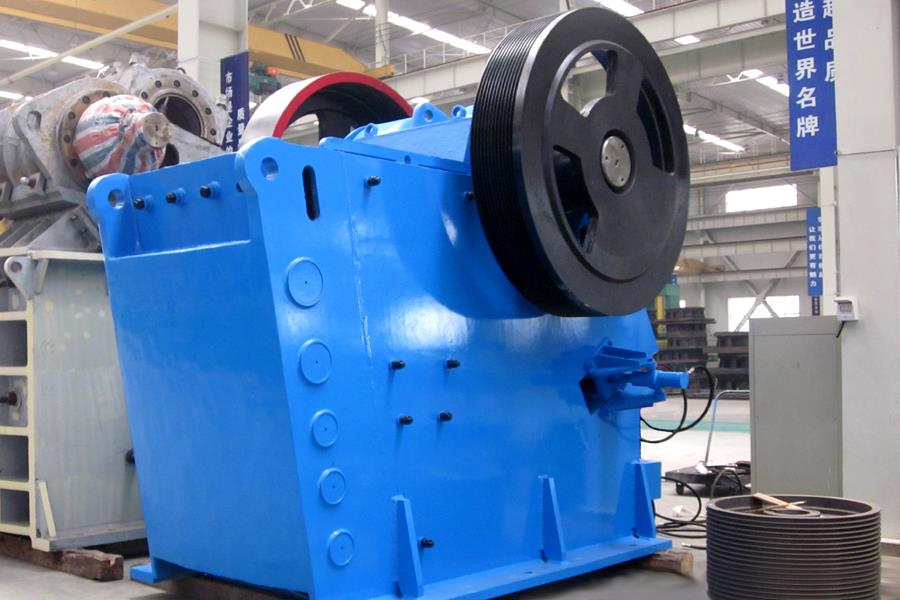
Several factors can contribute to a jaw crusher's failure to achieve the desired reduction ratio. The most common issues include an incorrectly set closed side setting (CSS), worn jaw plates, improper feed size distribution, and mechanical wear in the toggle mechanism. A CSS that is too wide allows material to pass through without adequate compression, resulting in a coarse product. Worn or incorrectly profiled jaw plates reduce the crusher's ability to grip and crush material effectively, allowing larger particles to escape. Feed that is either too fine or contains excessive oversize material can also compromise reduction, as the crusher struggles to process material outside its optimal range. The Troubleshooting jaw crusher poor reduction ratio process begins with a thorough inspection of these key areas. OCP's maintenance team can guide you through a structured diagnostic approach to identify the root cause efficiently.
Step‑by‑step diagnostic procedure
A systematic diagnostic approach is essential for effective Troubleshooting jaw crusher poor reduction ratio. Start by measuring the actual CSS using lead balls or a laser measurement tool, comparing it with the specified setting. If the CSS is more than 10% larger than the target, adjust it accordingly and test production again. Next, inspect the jaw plates for wear patterns—worn plates near the discharge end cause material to escape before full compression, leading to a coarser product. Replace plates that show more than 40% wear from the original profile. Check the feed gradation: ideally, 80% of the feed should be between 60% and 80% of the crusher's feed opening. If there is an excess of fines, consider pre‑screening; if there is too much oversize, improve blasting or primary scalping. Finally, inspect the toggle plate and toggle seats for wear or cracking, as these components directly affect the crusher's mechanical advantage. OCP's diagnostic checklist provides a structured workflow for this process, including reference data for typical crusher models.
Adjusting the closed side setting for optimal reduction
The CSS adjustment is the most direct intervention in Troubleshooting jaw crusher poor reduction ratio. A tighter CSS increases the reduction ratio but also increases power draw and liner wear. The optimal CSS balances product size with acceptable power consumption. For a typical jaw crusher processing hard rock, a CSS of 40–60 mm is common, but the exact setting should be based on the desired product specification. OCP recommends adjusting the CSS in increments of 5–10 mm, testing production after each adjustment, and monitoring power draw. If the crusher's power draw exceeds 90% of the motor rating, the CSS may be too tight, requiring a slight increase. Regular CSS checks—ideally daily—are essential, as liner wear gradually increases the setting, reducing reduction ratio over time. OCP's hydraulic wedge adjustment systems simplify this task, allowing operators to make changes quickly and precisely. All technical data are for reference; actual settings depend on feed characteristics.
When mechanical repairs are required
If feed conditions and CSS settings are correct but the reduction ratio remains poor, mechanical issues may be the cause. Worn toggle seats, a damaged pitman, or a loose flywheel can reduce the crusher's crushing force, resulting in inadequate reduction. In the Troubleshooting jaw crusher poor reduction ratio process, these components should be inspected during scheduled maintenance. Look for signs of cracking, excessive play, or uneven wear. If the pitman bearings are worn, the eccentric shaft may not transmit full force to the moving jaw, reducing the crusher's ability to break material. In such cases, replacement of the affected components is required. OCP offers a complete range of genuine replacement parts and can supply a refurbished pitman assembly to minimise downtime. All repair recommendations are for reference; actual diagnoses depend on site-specific conditions.
Preventive measures and ongoing monitoring
Preventing poor reduction ratio is more cost-effective than troubleshooting recurring issues. Regular inspections—daily CSS measurement, weekly jaw plate inspection, and monthly toggle system checks—can detect wear before it affects production. OCP recommends keeping a log of CSS settings, liner thickness, and power draw, allowing you to spot trends and predict when adjustments are needed. Automated monitoring systems that track power draw and CSS in real time provide early warnings of potential issues. Additionally, training your operators on proper feed management—ensuring consistent, well‑graded feed—reduces the risk of reduction ratio problems. Many operators who implement these preventive measures report a 30–50% reduction in reduction‑related downtime. OCP offers remote monitoring packages and operator training programmes to support these efforts. OCP reserves the right to update technical data; all performance figures are estimates.
Get your custom troubleshooting guide and support
Diagnosing and resolving poor reduction ratio is a systematic process that benefits from expert guidance. OCP Mechanical Company offers a free, detailed Troubleshooting jaw crusher poor reduction ratio guide, including diagnostic checklists, setting recommendations, and wear reference charts. Our 24‑hour online customer service team is ready to answer your questions and provide remote troubleshooting support. To receive your personalised guide and equipment quote, simply click the chat button on our website or complete the enquiry form with your crusher model and operating data. Our engineers will respond within 24 hours with a comprehensive troubleshooting package, including recommended settings, parts availability, and a clear price breakdown for any required repairs. All quoted figures and parameters are for reference and subject to final confirmation. OCP's 40‑year track record ensures reliable jaw crushers and expert support for operations worldwide. Reach out today and restore your crusher's performance.
-
-
How to clean a sand screw washer without stopping production
-
-
Mobile impact crusher blow bar replacement frequency for concrete
-