How to clean a sand screw washer without stopping production
Why cleaning is essential for sand screw washer performance
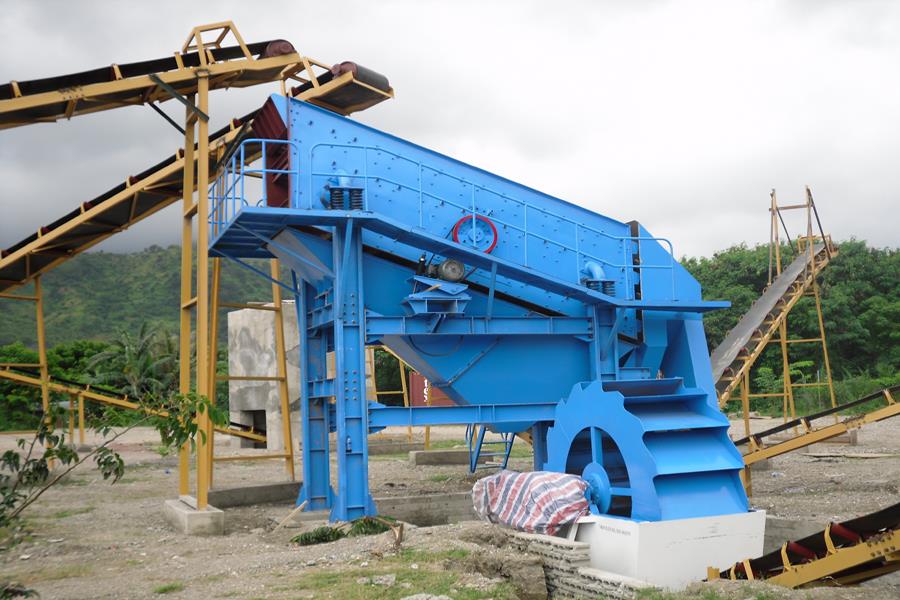
For sand producers across Indonesia—from the quarries of Java to the mining sites of Sumatra and Kalimantan—the sand screw washer is a vital piece of equipment for dewatering, classifying, and removing impurities from manufactured sand and natural aggregates. Over time, the screw washer accumulates fine particles, clay, and organic matter on its flights, trough, and discharge chute. This build‑up reduces dewatering efficiency, increases motor load, and can cause premature wear on bearings and seals. Traditionally, cleaning required a complete plant shutdown—a costly interruption for operations running 24/7. Understanding How to clean a sand screw washer without stopping production is therefore a valuable capability that reduces downtime and maximises throughput. OCP Mechanical Company, with over 40 years of direct manufacturing experience, designs sand screw washers with clean‑in‑place features and offers practical operational strategies to help Indonesian operators maintain cleanliness without sacrificing production.
Understanding the build‑up zones and their impact
The most critical areas for cleaning in a sand screw washer are the screw flights (particularly at the discharge end), the trough bottom, and the overflow weir. At these points, clay‑rich fines and organic matter can adhere, forming a hardened layer that reduces the screw's conveying efficiency. When material accumulates on the flights, the effective screw diameter decreases, reducing the washer's capacity and allowing more moisture to remain in the product. Clay deposits on the overflow weir alter the pool depth, affecting fines removal and classification accuracy. This is particularly problematic in Indonesia's tropical climate, where feed material often has high moisture and clay content. Learning How to clean a sand screw washer without stopping production begins with identifying these zones and understanding the warning signs—increased motor amperage, visible carry‑over of fines, and reduced throughput.
On‑the‑fly cleaning techniques for ongoing operation
Several practical techniques can be employed to clean a sand screw washer while it continues to operate. The first is adjusting the water spray system—OCP recommends installing high‑pressure spray nozzles directed at the screw flights and trough. By increasing water pressure periodically (for example, for 5‑10 minutes every hour), operators can dislodge accumulated material without interrupting the washing process. A second technique is varying the feed rate temporarily. Reducing the feed for 15‑20 minutes allows the screw to work more slowly, giving the water more time to wash away accumulated fines. A third, more proactive approach is to install a water recirculation line that can flush the trough from the discharge end toward the feed end, carrying loose material out with the overflow. For Indonesian operations with variable feed quality, OCP recommends a combination of these techniques to maintain consistent performance. The How to clean a sand screw washer without stopping production approach should be documented as a standard operating procedure for your team.
Design features that facilitate in‑service cleaning
When selecting a sand screw washer, certain design features make cleaning without stopping production much easier. OCP's sand screw washers include removable inspection ports at strategic points along the trough, allowing operators to insert a high‑pressure lance or scraper while the machine is running—provided safety protocols are followed. The trough itself is designed with a smooth, sloping bottom that minimises dead zones where material can accumulate. Additionally, our machines feature quick‑release spray bars that can be removed and cleaned without tools, ensuring water jets remain effective. The screw flights are constructed with replaceable wear shoes that can be rotated or replaced during scheduled maintenance, but their smooth surface reduces the adhesion of sticky material. When planning your How to clean a sand screw washer without stopping production strategy, consider whether your current equipment supports these features—and if not, OCP offers retrofit kits to upgrade existing washers.
Daily and weekly maintenance routines
A structured maintenance routine is the backbone of effective cleaning without production interruption. Daily tasks should include: checking the spray nozzles for clogs, observing the overflow clarity to detect excessive fines carry‑over, and monitoring motor amperage for signs of increased load. Weekly tasks should include: using a high‑pressure water lance through the inspection ports to dislodge stubborn deposits, checking the screw flight clearance against the trough, and adjusting the water flow rate if necessary. OCP provides a detailed maintenance log template that helps Indonesian operators track these activities and identify trends. By integrating these routines into the daily shift handover, cleaning becomes a continuous process rather than a reactive event. The How to clean a sand screw washer without stopping production philosophy is preventive—catching build‑up early means it never reaches the point where a shutdown is unavoidable. Actual results depend on feed consistency and operator diligence.
When a partial shutdown is unavoidable
Even with the best in‑service cleaning practices, there will be times when a more thorough clean is required. In these cases, a partial shutdown—such as stopping the feed but keeping the screw running—can achieve a deep clean without a full plant stop. During this mode, the screw continues to turn while a high‑pressure water lance is used to wash the trough and flights. OCP recommends scheduling such deep cleans during scheduled conveyor belt changes or other planned maintenance events, minimising the impact on overall production. Operators in Indonesia's remote locations may also consider installing a clean‑out door at the trough bottom to facilitate the removal of heavy deposits. The How to clean a sand screw washer without stopping production strategy is about maximising time between full shutdowns, not eliminating them entirely. OCP reserves the right to update technical recommendations based on field data.
Get your custom cleaning guidance and support
Mastering the How to clean a sand screw washer without stopping production is essential for maintaining throughput and reducing operating costs in Indonesian sand operations. OCP Mechanical Company offers a free, site‑specific cleaning guide, including recommended spray configurations, cleaning schedules, and retrofit options. Our 24‑hour online customer service team is ready to answer your questions and provide technical guidance. To receive your personalised guide and equipment quote, simply click the chat button on our website or complete the enquiry form with your washer model and site conditions. Our engineers will respond within 24 hours with a detailed proposal, including cleaning system upgrades, operator training materials, and a clear price breakdown. All quoted figures and parameters are for reference and subject to final confirmation. OCP's 40‑year track record ensures reliable, high‑performance sand screw washers and expert support for Indonesia's aggregate industry. Reach out today and keep your washer clean—and your production flowing.