Sand making plant investment vs rental for 100 tph
Why the buy vs rent decision is critical for Kenyan aggregate producers
Kenya's construction sector is experiencing unprecedented growth, driven by Vision 2030 infrastructure projects, the Standard Gauge Railway extensions, the LAPSSET corridor, and a booming real estate market across Nairobi, Kisumu, and Mombasa. For quarry operators and contractors, the demand for manufactured sand has surged as natural river sand becomes increasingly regulated and scarce. A 100 tonnes per hour sand making plant represents a significant capital commitment—but is it better to purchase outright or rent? The Sand making plant investment vs rental for 100 tph decision requires a careful analysis of capital availability, project duration, utilisation rates, and long‑term business strategy. OCP Mechanical Company, with over 40 years of direct manufacturing experience, offers both purchase and flexible financing options for sand making plants, and our factory‑direct pricing ensures you get exceptional value regardless of your chosen path.
Calculating the capital investment for a 100 tph plant
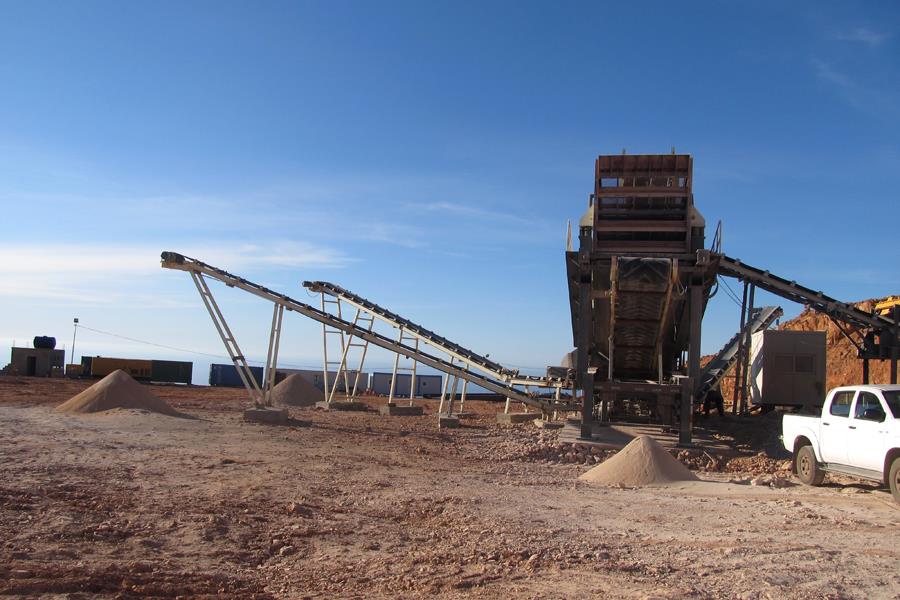
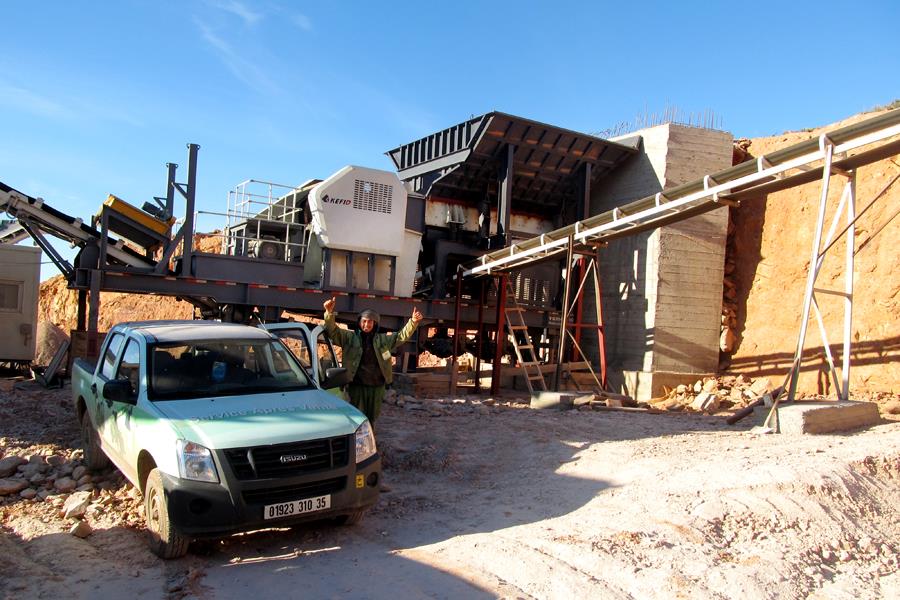
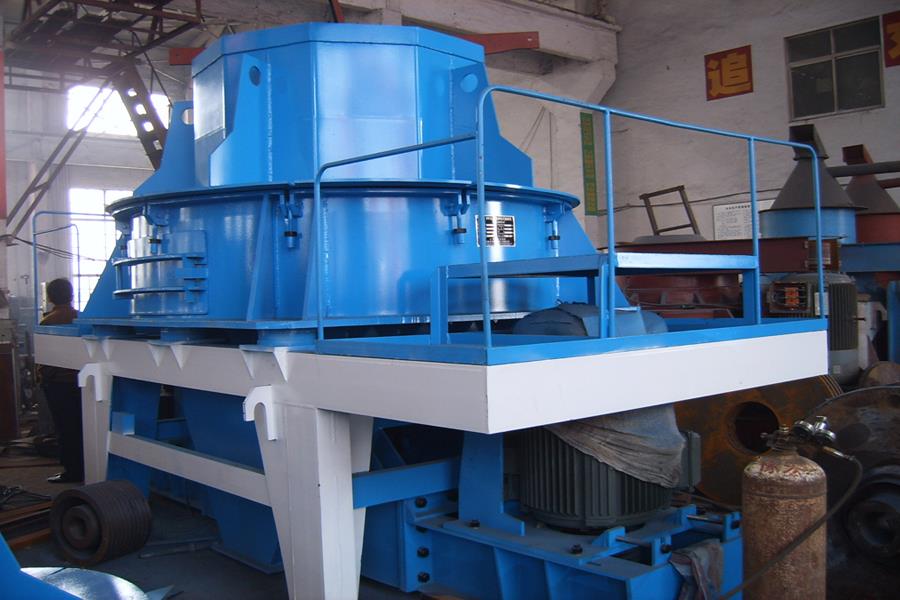
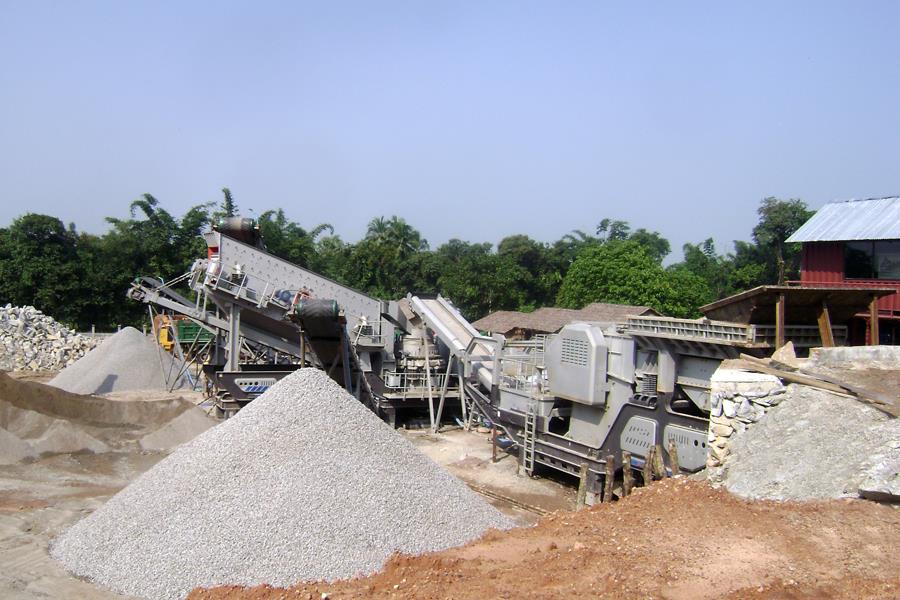
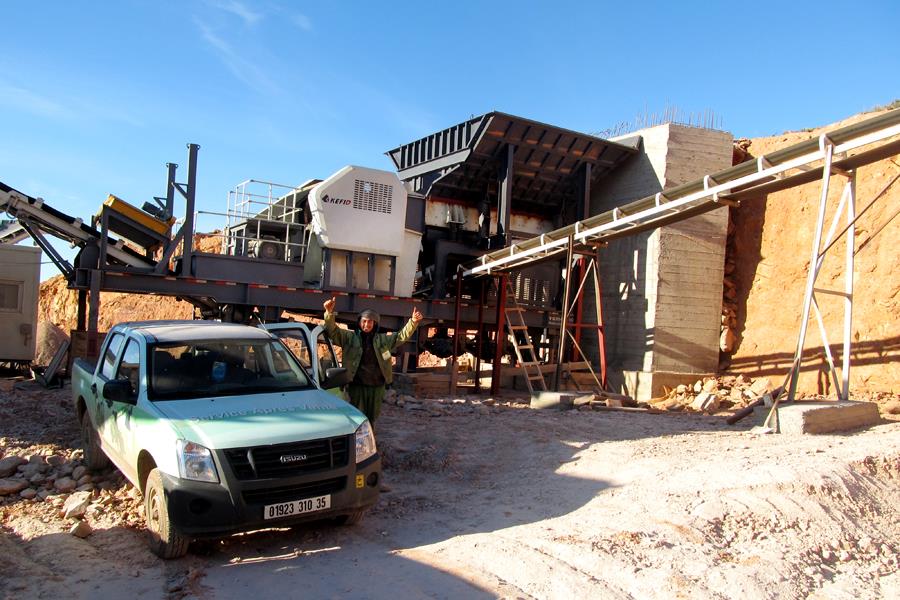
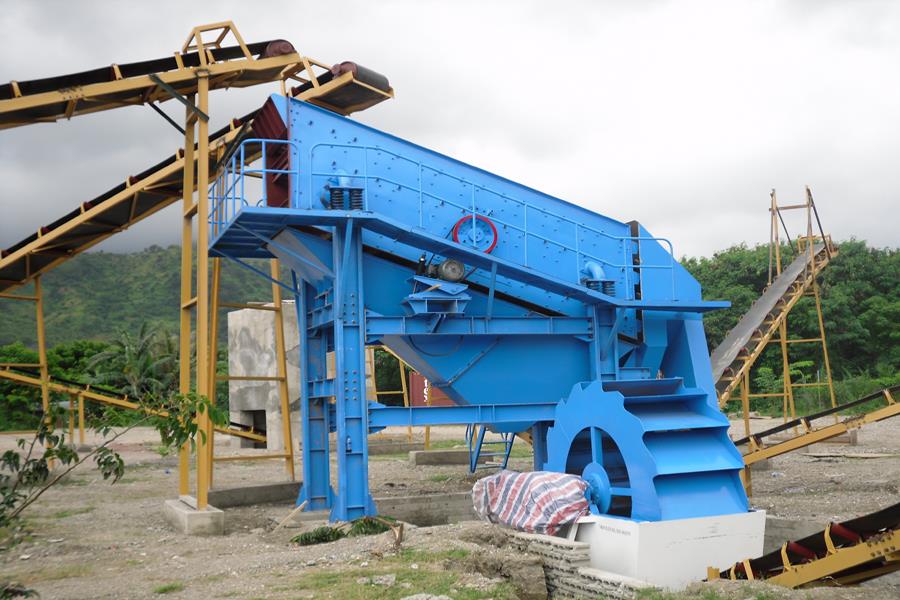
For a complete 100 tph sand making plant—including primary jaw crusher, secondary cone or impact crusher, VSI sand maker, vibrating screens, conveyors, and a centralised control system—the capital investment typically ranges from $350,000 to $500,000 for a stationary configuration. Mobile or semi‑mobile units, which offer greater flexibility for project‑based work, generally cost between $95,000 and $320,000 depending on the level of integration and transport requirements. These figures exclude land acquisition, foundation work, electrical installation, permitting, and initial spare parts inventory, which can add another $50,000–$100,000 to the total project cost. For many Kenyan operators, this upfront outlay is a significant barrier—but it must be weighed against the long‑term value of owning an asset that can generate revenue for 10‑15 years or more. All price data in this article are for reference; final quotations depend on specific configuration and current market conditions. OCP provides detailed, transparent cost breakdowns with every proposal, helping you understand exactly what you are paying for.
Operating costs and revenue potential for owners
Owning a 100 tph sand making plant comes with ongoing operating costs that directly affect profitability. Energy consumption is the largest variable expense—a typical plant requires approximately 200‑400 kW of connected power, with electricity costs varying by region and tariff class. Wear parts—jaw plates, cone liners, VSI rotor tips, and screen panels—represent the second major cost category, typically accounting for 15‑25% of operating expenses depending on feed abrasiveness. Labour costs for operators and maintenance personnel add to the monthly overhead. On the revenue side, manufactured sand commands premium prices in the Kenyan market, ranging from KSh 2,500 to KSh 3,000 per tonne depending on grade and location. At 100 tph, an 8‑hour shift produces 800 tonnes, generating daily revenue of KSh 2‑2.4 million. With annual production of approximately 200,000 tonnes (at 250 operating days), gross revenue can reach KSh 500‑600 million. Deducting operating costs—typically 30‑40% of revenue—leaves substantial gross margins. A well‑managed Sand making plant investment vs rental for 100 tph often shows payback periods of 18‑30 months, after which the plant delivers pure profit. Actual figures vary with utilisation rates and local market prices.
The advantages and limitations of renting
Renting a sand making plant offers a lower barrier to entry, requiring minimal upfront capital—typically a deposit and monthly rental payments. This is particularly attractive for contractors with short‑term projects or seasonal demand, as it avoids the commitment of a permanent asset. Rental agreements often include maintenance and spare parts, transferring the risk of breakdowns to the rental provider. However, renting has significant drawbacks. The cumulative rental cost over 24‑36 months often exceeds the purchase price of the equipment, without any ownership equity. Renters are also subject to availability—the right model may not be available when needed, and rental terms may restrict operating hours or locations. Additionally, rental plants are often older or less efficient, leading to higher fuel or power consumption per tonne. When evaluating the Sand making plant investment vs rental for 100 tph, Kenyan operators should calculate the break‑even point—typically around 18‑24 months of continuous operation—after which owning becomes more economical. For projects lasting less than 12 months, renting is often the more sensible option.
A practical decision framework for Kenyan conditions
A structured decision framework helps navigate the Sand making plant investment vs rental for 100 tph. Start by assessing your project duration: if you have secured supply contracts for more than 24 months, purchasing is generally recommended. If your operation is seasonal or project‑based with uncertain renewal, renting offers flexibility. Next, evaluate your available capital—if financing is available at reasonable rates, the interest cost may still be lower than the rental premium. Third, consider your technical capability: owning a plant requires a maintenance team and spare parts inventory, while renting transfers this responsibility. Fourth, analyse your utilisation rate—if you can run the plant at 70‑80% capacity for most of the year, ownership becomes highly cost‑effective. Finally, factor in residual value—after 5‑7 years, a well‑maintained plant still has significant resale value in Kenya's active used equipment market. OCP engineers can provide a customised financial model comparing ownership and rental for your specific operation, including all cost variables. All projections are estimates; actual results depend on market conditions and operational efficiency.
Making the right choice for your business
Both ownership and rental have their place in Kenya's dynamic aggregate industry. For established quarry operators with steady production and access to finance, purchasing a 100 tph sand making plant builds long‑term assets and delivers lower cost per tonne. For new entrants or contractors with unpredictable project pipelines, renting offers a low‑risk entry point. Many successful Kenyan companies start with rental, then transition to ownership as their order book stabilises. OCP Mechanical Company supports both paths—we offer new plant sales, rental options through our partner network, and flexible payment terms to match your cash flow. The Sand making plant investment vs rental for 100 tph decision is ultimately about aligning your equipment strategy with your business goals. Our 24‑hour online customer service team is ready to provide a free consultation, financial modelling, and a detailed quotation for either purchasing or renting a plant tailored to your Kenyan site. Actual equipment performance and costs depend on feed characteristics and operational practices; all quoted figures are for reference. OCP reserves the right to update pricing and technical data. Reach out today and let us help you build the right sand making solution—whether you buy or rent.