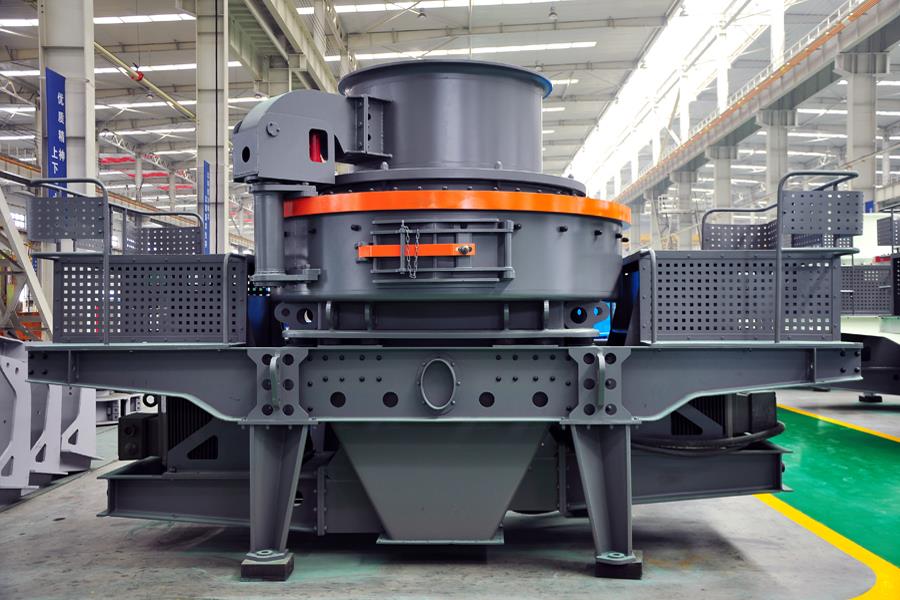
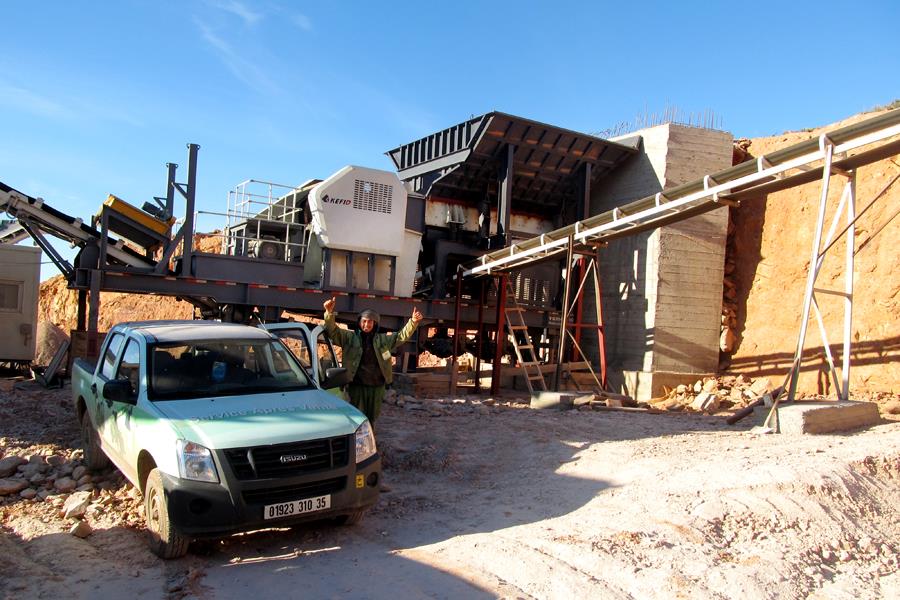
Cost of transporting a mobile crushing plant between sites
Why transport costs are a decisive factor for Indonesian mobile crushing operations
Indonesia's geography—spanning over 17,000 islands with vastly differing infrastructure standards—makes equipment mobility both a strategic advantage and a significant cost driver. For contractors and quarry operators running mobile crushing plants, the ability to move production capacity directly to project sites is one of the main attractions of mobile equipment. However, the Cost of transporting a mobile crushing plant between sites can erode the financial benefits of mobility if not properly planned and managed. In a country where logistics costs are notably high and vary widely by region, understanding the full breakdown of transport expenses is essential for accurate project bidding and maintaining healthy margins. For quarry operators in Java, contractors in Sumatra, and mining support companies in Kalimantan, these transport decisions recur regularly. OCP Mechanical Company, with over 40 years of direct manufacturing experience, designs mobile plants with transportability in mind, offering factory‑direct consultation to help Indonesian operators plan cost‑effective relocations that protect their bottom line.
Breaking down the key cost components
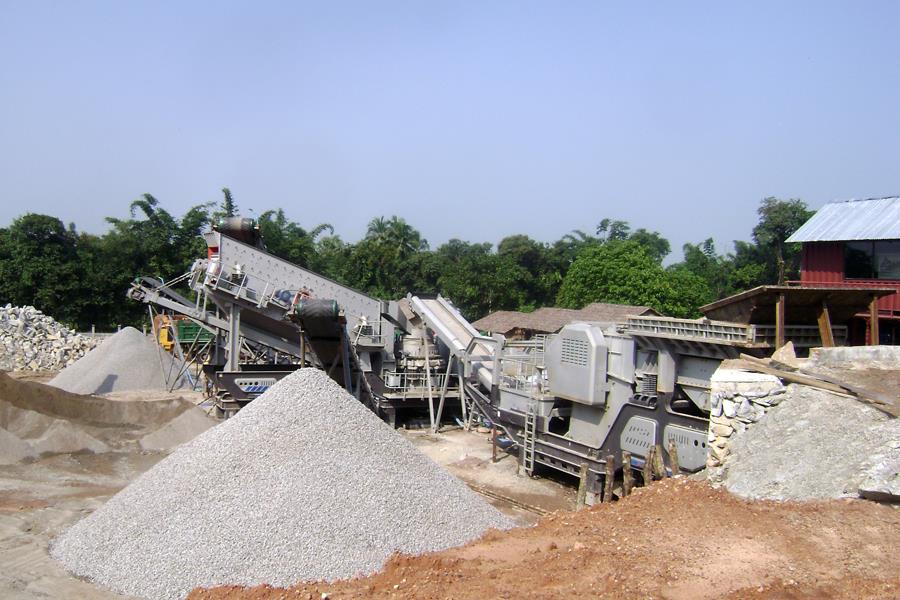
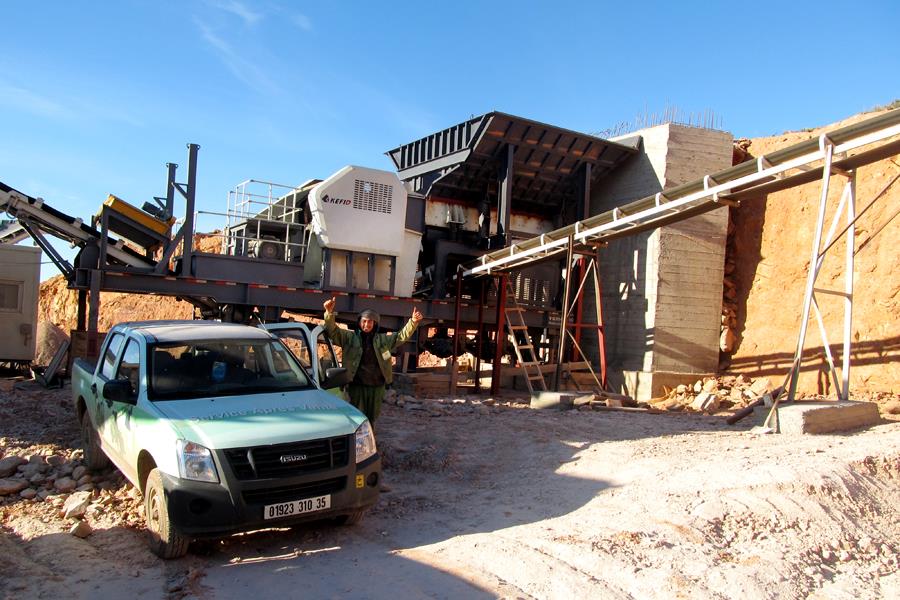
The total Cost of transporting a mobile crushing plant between sites is composed of several distinct elements that vary with distance, route, and equipment configuration. The most significant component is the prime mover—the low‑bed trailer and heavy‑haul truck required to move a mobile plant weighing 40–60 tonnes, which typically includes a daily or per‑kilometre hire charge. For inter‑island moves, sea freight adds another major layer: roll‑on/roll‑off (Ro‑Ro) or container shipping charges between major ports such as Tanjung Priok (Jakarta), Tanjung Perak (Surabaya), and Makassar, combined with port handling fees. Land transport on the destination island may involve additional trucking if the site is inland, with costs increasing significantly if roads are unpaved or require police escort for oversize loads. Permits, insurance, and pilot vehicle services also contribute to the total. For a typical 60‑tonne mobile plant moved 500 km overland on Java, total costs may range from $3,000‑6,000 per move. Inter‑island moves can cost $8,000‑15,000 or more, depending on distance and shipping schedules. All figures are for reference; final costs depend on route, equipment size, and current freight rates.
Overland transport: factors that influence local haulage rates
Overland transport costs for mobile plants are driven by distance, road conditions, and the size of the load. On well‑developed routes in Java and parts of Sumatra, transport costs are generally predictable. However, in regions with poorer infrastructure—such as parts of Kalimantan, Sulawesi, or Papua—haulage becomes more expensive and slower. The Cost of transporting a mobile crushing plant between sites in these areas often includes a higher daily rate for the low‑bed trailer, as the equipment faces greater wear and the driver requires more time. Additionally, obtaining permits for oversize or overweight loads can add days and costs to the schedule, particularly if police escort services are required. Operators should also factor in fuel surcharges, which fluctuate with global oil prices and are passed through by transport providers. For frequent moves, some Indonesian contractors negotiate long‑term contracts with haulage companies to secure better rates. Others invest in their own transport fleet to gain control over scheduling and costs. OCP can provide guidance on the most economical transport strategy based on your expected move frequency and site locations, helping you reduce the Cost of transporting a mobile crushing plant between sites in the long run.
Inter‑island logistics: shipping, ports, and transit times
Inter‑island transport is often the largest single cost element of the Cost of transporting a mobile crushing plant between sites. Ro‑Ro shipping is the most common method, as it allows the plant to be driven on and off the vessel, minimising the need for cranes. However, availability of Ro‑Ro services varies by route, and schedules may be infrequent, particularly to more remote islands. Container shipping is an alternative but requires the plant to be dismantled into smaller modules, increasing labour and packing costs. Port handling fees at both origin and destination can add 20‑30% to the shipping cost itself, and delays due to customs or port congestion are not uncommon. OCP recommends including buffer days and contingency budgets when planning inter‑island moves. To reduce costs, consider consolidating multiple pieces of equipment onto a single vessel or negotiating volume discounts with shipping lines if you have frequent moves. By carefully planning the Cost of transporting a mobile crushing plant between sites, operators can save $2,000‑5,000 on each inter‑island relocation, significantly improving annual profitability.
Strategies to reduce transport costs and improve efficiency
Several practical strategies can help mitigate the Cost of transporting a mobile crushing plant between sites and maximise the value of mobility. First, choosing a mobile plant with a compact design and modular components—such as OCP's track‑mounted units—can reduce both shipping volume and axle load, lowering permit and shipping costs. Second, planning moves during off‑peak shipping periods, when freight rates are lower, can yield significant savings. Third, maintaining a relationship with a single logistics provider and committing to a volume of moves per year often results in better rates and priority scheduling. Fourth, using digital tracking and route optimisation tools can reduce transit times and avoid costly delays. Fifth, ensuring that the plant is clean and fully operational before transport—including securing all loose parts and retracting stabilisers—prevents damage during transit and reduces the risk of delays. OCP's mobile plants are designed with transport‑ready features, including integrated tie‑down points and low‑profile designs, simplifying the relocation process. By implementing these strategies, Indonesian operators can reduce transport costs by 10‑20% per move, directly improving project margins. All figures and recommendations are for reference; actual savings depend on site‑specific conditions and negotiations with service providers.
Making the right decision for your operation
The decision to move a mobile crushing plant—and how to manage that move—should be based on a thorough cost‑benefit analysis. For short‑term projects where transport costs are a significant portion of the project budget, consider whether a rental plant already on site might be more economical. For long‑term or recurring projects, investing in efficient transport planning and logistics partnerships can make mobility a competitive advantage. OCP Mechanical Company offers free consultation on the Cost of transporting a mobile crushing plant between sites, including route analysis, shipping options, and cost‑saving recommendations tailored to your Indonesian operation. Our 24‑hour online customer service team is ready to answer your questions and provide technical guidance on plant transportability and site preparation. To receive your personalised transport cost analysis and equipment quote, simply click the chat button on our website or complete the enquiry form with your current and planned project locations. Our engineers will respond within 24 hours with a detailed proposal, including plant specifications, transport recommendations, and a clear price breakdown. All quoted figures and parameters are for reference and subject to final confirmation. OCP's 40‑year track record ensures reliable, transport‑friendly mobile crushing solutions for Indonesia's diverse and challenging geography. Reach out today and start moving your crushing plant smarter, not harder.