How to Select a River Pebble Crusher
River pebbles are high-quality raw materials characterized by high hardness and strong wear resistance. They require processing with the most efficient river pebble sand-making machines to achieve optimal results in production capacity, particle shape, and other aspects. Only by thoroughly understanding material properties can one select the appropriate crushing and sand-making equipment.
1. Ore hardness. The harder the ore, the greater its compressive strength, making it more difficult to crush. Poor crushability results in lower crusher productivity. Conversely, softer ore yields higher productivity.
2. Feed size. When feed contains numerous large chunks, the average ore particle size is coarse, requiring greater processing effort. This lowers crushing productivity. Conversely, finer feed increases crushing productivity.
3. Adhesive Material Content. High clay or fine ore content causes these particles to agglomerate on coarse ore, severely reducing discharge rates and potentially halting crushing entirely. Conversely, lower adhesive content yields higher discharge rates.
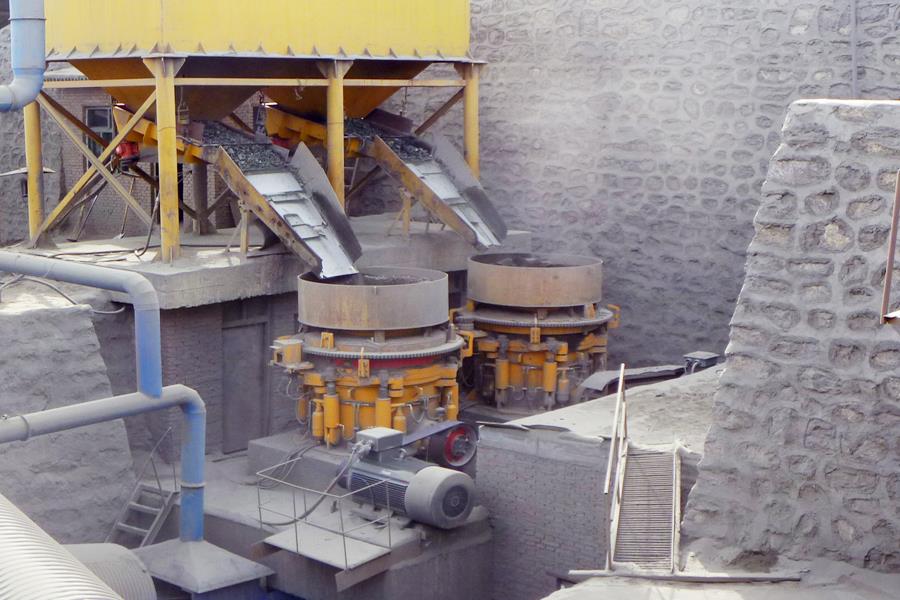
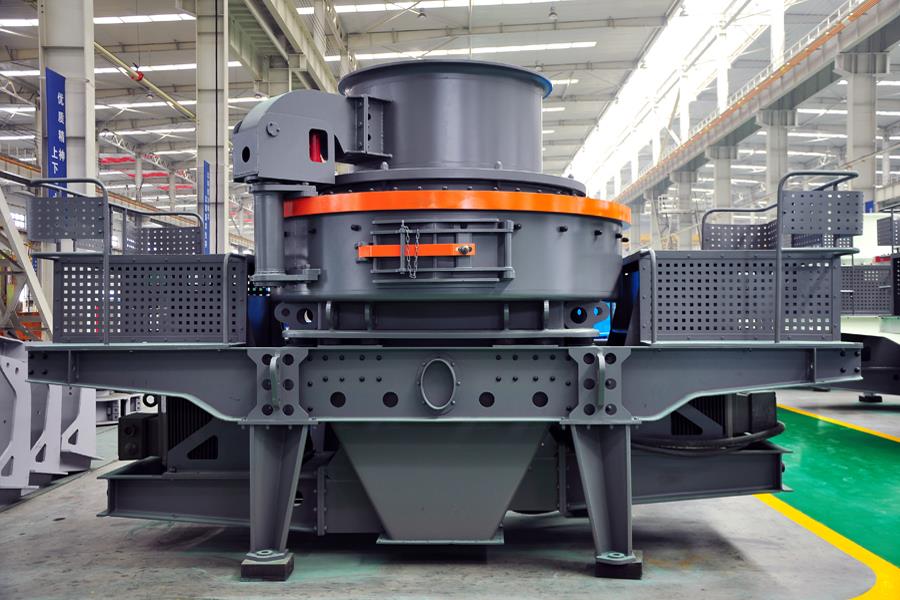
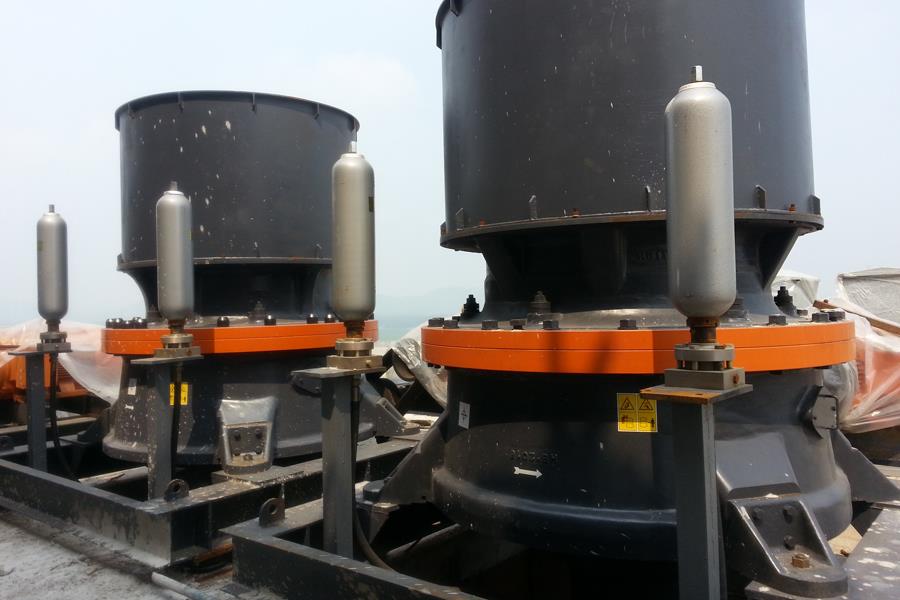
The characteristics of river pebbles dictate that river pebble crushers must be robust and wear-resistant. Commonly used pebble crushing equipment includes jaw crushers, cone crushers, hydraulic cone crushers, and vertical impact sand makers. These river pebble crushers come in various types from numerous manufacturers, with each pebble sand-making device priced differently. OCP Heavy Industry is a high-tech crushing equipment R&D and manufacturing enterprise that handles production and sales in-house. All equipment is self-developed, self-produced, and self-marketed without intermediaries. Sales are conducted by internal company representatives, eliminating markups and reducing distribution costs. For customers, partnering with such a manufacturer offers the most cost-effective solution while ensuring reliable equipment quality.
Beyond purchasing individual crushing units, many clients actually establish complete pebble sand-making production lines. The typical river pebble sand production line process involves the following steps: Large stone blocks enter the feeder, undergo primary crushing in a jaw crusher, then proceed to secondary crushing in a cone crusher or impact crusher. The material then enters the sand maker for sand production and shaping. If necessary, it passes through a sand washer before being screened by a vibrating screen to separate the required specifications. This represents a mainstream configuration for sand and gravel production lines. The specific selection of river pebble crushers depends on factors such as pebble size, production capacity, and intended use of the finished material.
For more information about river pebble crushers or to request a quote, please feel free to contact our website customer service for a free consultation. OCP Heavy Industry is here to serve you.
-
How to Improve the Sand Output Efficiency of River Pebble Sand Making Machines
-
How to Select Crushing Equipment for Producing High-Quality Aggregates
-
-
What should be done if the output particle size of a sand making machine gradually increases
-