
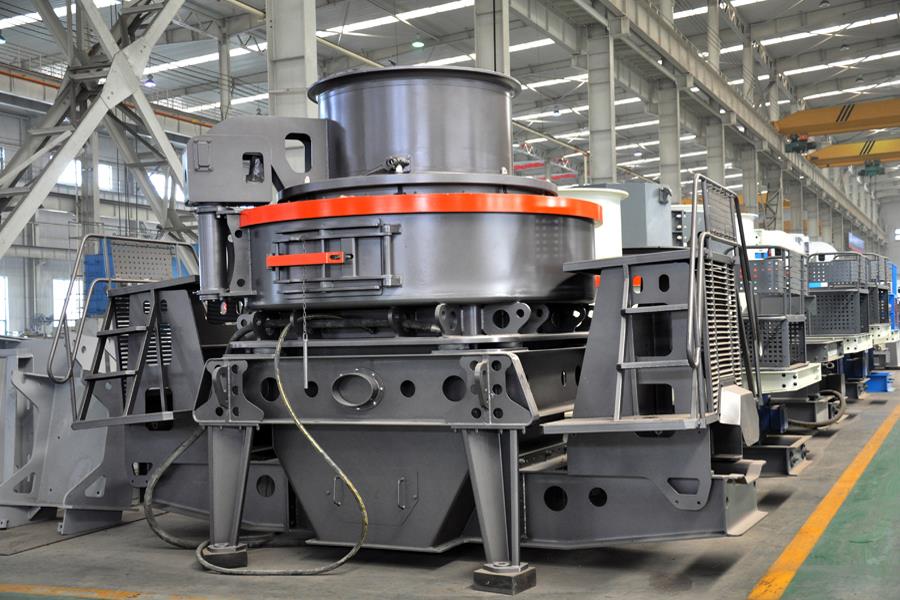
How to Ensure Normal Operation of Crushers in High-Temperature Environments
Impact of High Temperatures on Mining Equipment
In high-temperature conditions, the crusher's internal temperature rises, increasing the likelihood of unforeseen malfunctions such as sudden shutdowns or abrupt shaft fractures.
Due to thermal expansion and contraction, elevated temperatures cause components to expand, leading to increased friction and misalignment at mating surfaces. This not only disrupts production schedules but also generates additional heat through friction.
High temperatures cause the lubricating oil temperature to rise, reducing oil viscosity and causing localised oil film breakdown. This diminishes lubrication effectiveness between components and reduces bearing load capacity. In severe cases, lubricating oil may carbonise, leading to bearing seizure.
High temperatures pose specific hazards to engines, hydraulic systems, and electrical circuits within mining crushers. Hydraulic systems frequently experience burst pipes, leaking joints, burnt-out solenoid valve coils, seized valves, and excessive noise under such conditions. Systems employing accumulators risk damage due to elevated hydraulic oil temperatures. Aged electrical circuits become more susceptible to insulation cracking during summer, leading to short circuits as metals expand and contract. Electrical components within control cabinets are also prone to failure during hot seasons. Critical control units such as industrial computers and PLCs may experience system crashes, slow operation, or loss of control functionality.
Prolonged operation under high temperatures degrades the performance of equipment lubrication systems, accelerates oil deterioration, and increases wear on transmission systems including chassis components. Concurrently, it adversely affects exterior paintwork, braking systems, clutches, throttle control mechanisms, and metal structures. Additional manifestations include: increased susceptibility to air locks, resulting in oil supply failure. Elevated temperatures degrade engine intake system performance and compromise sealing integrity, leading to oil leaks and heightened fuel consumption.
How can crushers maintain normal production under high temperatures?
1. Diligently execute routine maintenance and servicing of crushing equipment. Conduct regular inspections, replace grease, adjust belts, and examine core components and wear parts. Operators must frequently monitor temperature gauge readings during operation. Immediately halt the machine upon detecting anomalies and rectify faults promptly. Never allow the crusher to operate with undiagnosed issues.
2. Promptly clean oil residue and dust from the motor housing to ensure optimal engine cooling. Although modern equipment incorporates dust suppression systems to reduce downtime caused by particulate matter, summer conditions—characterised by elevated temperatures and dry air—can exacerbate dust accumulation. For instance, regularly inspect the fixing bolts of the dust seal slip rings on cone crushers to prevent seal or ring detachment. Failure to do so may allow substantial dust and mineral particles to infiltrate the machinery, potentially leading to equipment failure or significant financial loss.
3. Replace equipment with appropriately graded engine oil viscosity, typically opting for a slightly higher viscosity grade during summer months. Switch to summer-grade lubricants for motor oil and all lubrication points, ensuring correct oil levels and regularly checking for leaks. Refuel promptly as required.
4. Verify the unobstructed flow of cooling and fuel systems. Replace aged wiring, connectors, fuel lines, and fasteners. Secure fuel lines to prevent leakage.
5. During operation, continuously monitor bearing temperatures. Under normal conditions, bearing temperature rise should remain within 35°C and must not exceed 70°C. Maintain optimal bearing lubrication and monitor for abnormal sounds or vibrations.
6. Whether idle or operational, position equipment in shaded areas whenever possible. Construct temporary sunshades or install sun-protective netting to prevent prolonged exposure to direct sunlight, which accelerates equipment ageing and compromises operational quality and efficiency.
7. For indoor installations, position equipment in well-ventilated areas. Regulate ambient temperature and ensure adequate airflow within the vicinity, maintaining temperatures below 40°C to provide optimal operating conditions for the crusher.
High temperatures heighten the risk of malfunctions during crusher operation. Therefore, heightened attention must be paid to maintenance and servicing to prevent major faults before they develop. This safeguards both production continuity and the personal safety of equipment operators.
We are an integrated mining machinery company specialising in R&D, production, sales, and service. Our core offerings include jaw crushers, cone crushers, impact crushers, sand makers, mobile crushing plants, ball mills, vibrating screens, and complementary equipment. We warmly welcome all clients to visit our factory for on-site inspections. Click our website chat for immediate complimentary consultation – available 24 hours online.
-
-
-
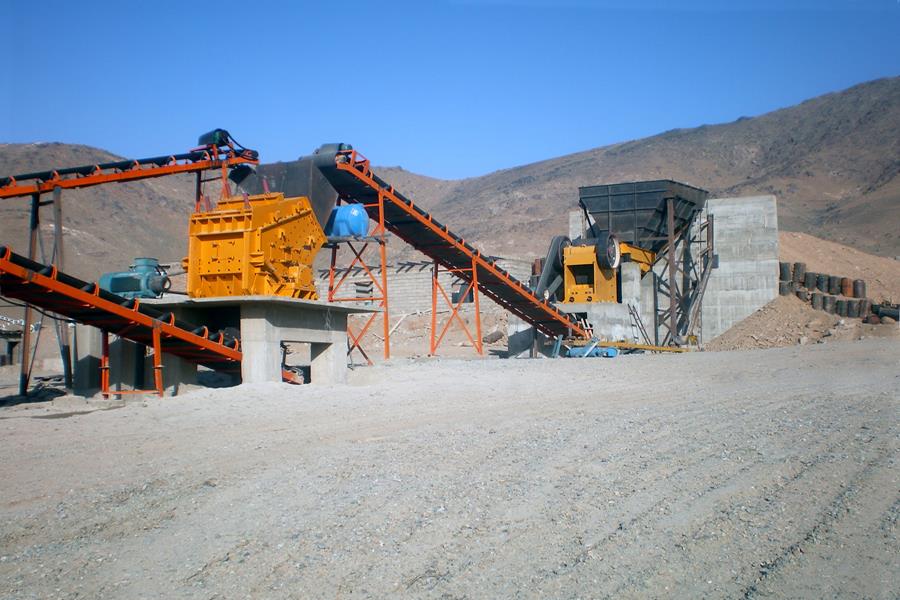
The Distinction Between Sand Making Machines and Other Crushers
-
-
Process Configuration for a 300-Ton-Per-Hour Aggregate Production Line