
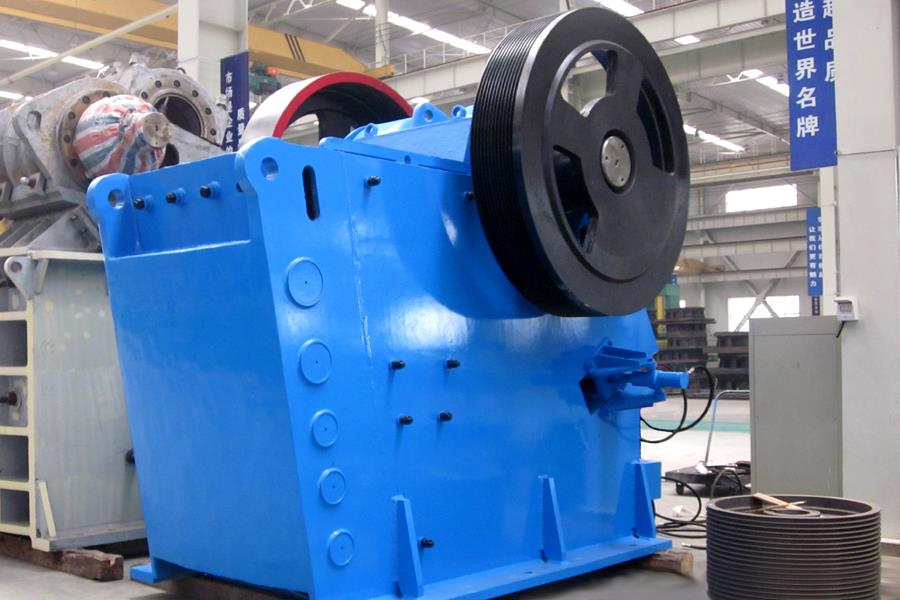
How to Effectively Extend the Service Life of an Impact Crusher
The service life of a crusher is influenced by numerous factors, such as material properties and operator practices. To ensure the impact crusher operates reliably within the sand production line and prolong its lifespan, users should perform regular maintenance and upkeep.
After commissioning a new machine, conduct a comprehensive inspection of the impact crusher at the end of each shift. Perform a thorough check of the motor and lubrication system weekly. Inspections should cover all fixed components for tightness, examine belt drives, bearing seals, impact liners, and wear on liners. Establish a scheduled maintenance plan based on inspection cycles. Routine inspection and maintenance should include adjusting the clearance between the rotor and impact liners, promptly replacing wear parts, and periodically checking hammer plates, liners, and bearing temperatures. Daily inspection and maintenance of the impact crusher can be effectively managed through four key areas: inspection, cleaning, lubrication, and adjustment.
1. Inspection. During operation, daily inspections must be prioritized. Before starting a new machine, operators must conduct a comprehensive pre-shift inspection covering: equipment motors, fastening integrity of fixed components, belt drives, bearing seals, and electrical switch conditions. Electrical switch status. Weekly inspections must be conducted on major components such as impact hammers, impact liners, and liner wear. If severe wear is detected during inspection, replace the components promptly.
2. Lubrication. Regular attention and timely lubrication of friction surfaces can effectively extend the service life of the impact crusher. The lubricant selected for the crusher should be determined based on the operating location and ambient temperature. Calcium-sodium based grease is generally suitable. Lubricate the bearings every eight hours of operation. Replace the grease every three months. When changing grease, thoroughly clean the bearings with clean gasoline or kerosene. Fill the bearing housing with grease to 50% of its capacity.
3. Adjustment. During operation, perform regular adjustments to relevant components. Periodically adjust the clearance between the rotor and impact liner plates. Proper clearance adjustment effectively controls discharge particle size, ensuring qualified material output for users. Additionally, periodically adjust the clearance between the bottom of the feed inlet and the impact hammers. To perform this adjustment, remove the square steel bars on both sides of the frame, pull them out, rotate them, and then reinsert them.
4. Cleaning. During downtime, clean all components of the impact crusher, paying particular attention to bearing cleaning. Cleaning primarily involves manual and machine-assisted methods.
Maintenance of impact crushers is an ongoing task. Proper upkeep enhances operational efficiency and extends equipment lifespan.
(Technical parameters and data mentioned herein may be updated with product upgrades. Click website customer service for the latest equipment specifications.) Click website customer service for immediate free consultation, available 24/7.
-
-
Environmental Considerations in Mechanically Produced Sand Production Line Design
-
What Key Points Should Be Considered in the Design of a Mechanically Produced Sand Production Line
-
What should be noted when feeding materials into a vibrating screen during operation
-
Daily Maintenance of the Lubrication System for Hydraulic Cone Crushers