How to configure environmentally friendly sand and gravel aggregate production line equipment
With the rapid development of infrastructure construction, the demand for sand and gravel aggregates continues to grow. As natural sand supply falls short, manufactured sand has filled this gap. A complete set of equipment for a manufactured sand and gravel production line typically includes crushers, sand makers, vibrating equipment, and supporting devices. Although manufactured sand sources are diverse—with materials like tailings and construction waste aligning with resource recycling policies—pollution prevention must be prioritized during processing. With manufactured sand production booming, how can environmentally friendly manufacturing be achieved?
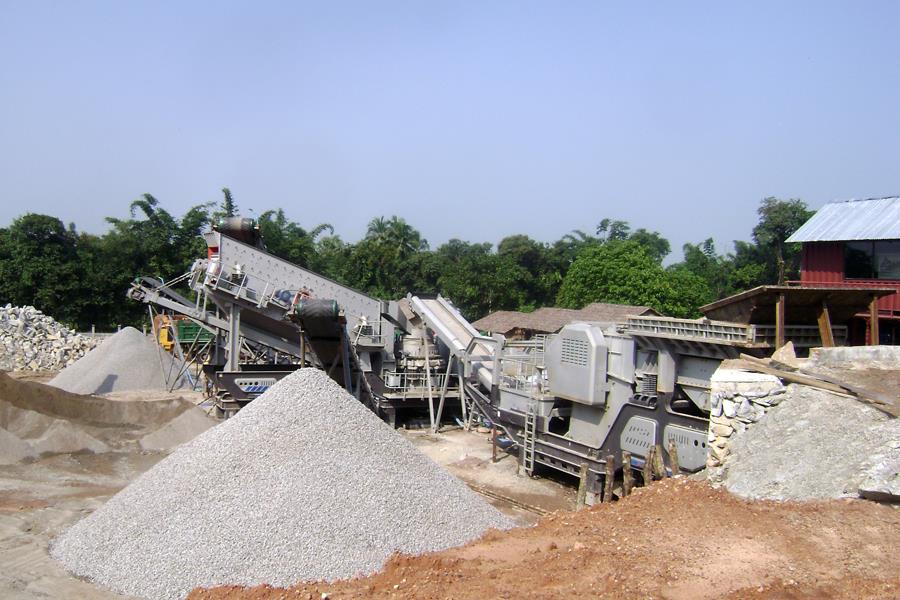
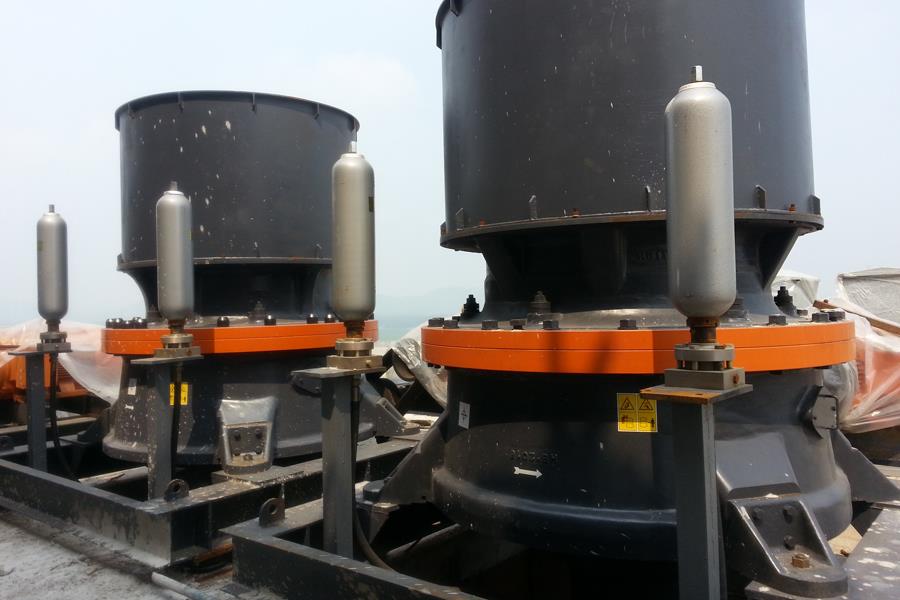
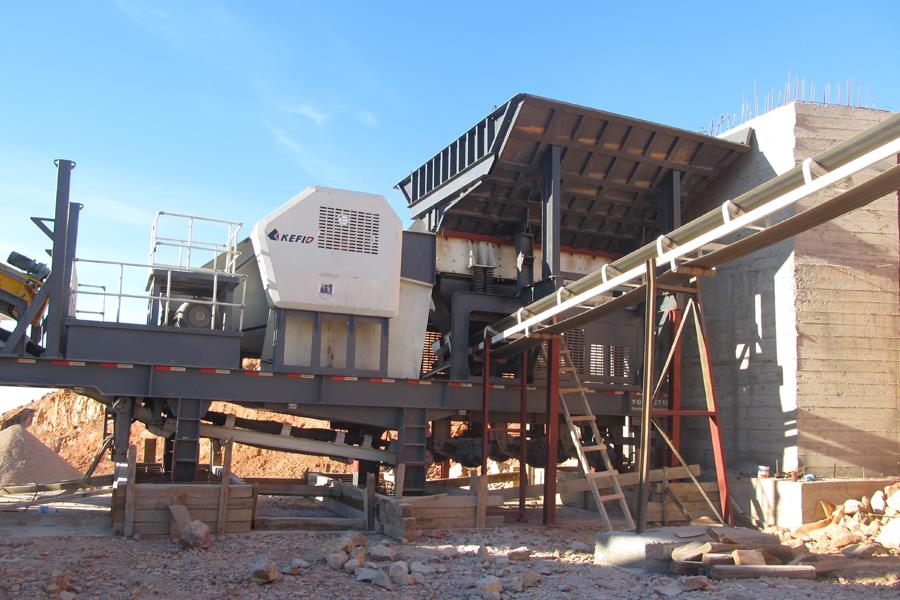
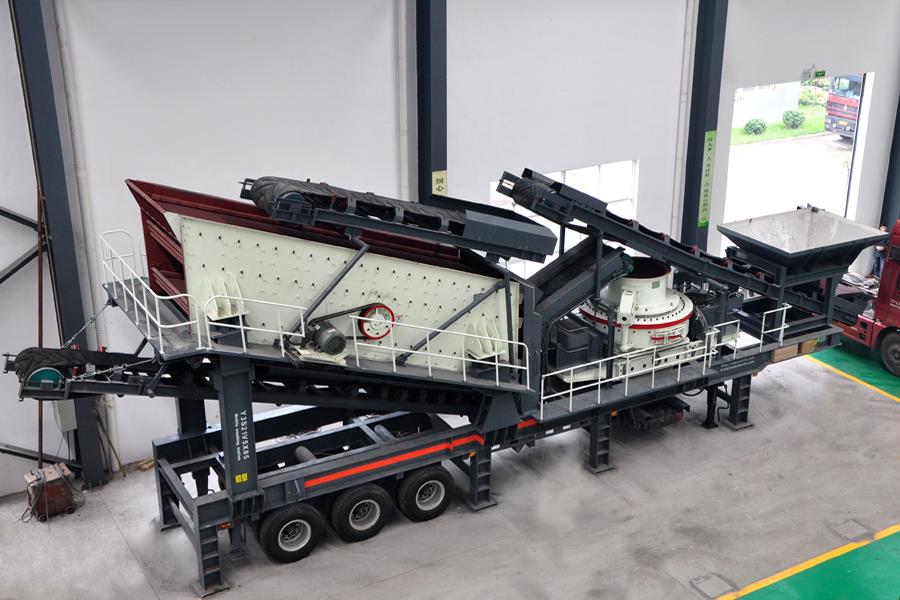
Aggregate production lines generally employ two-stage crushing (primary and secondary), though some materials require tertiary crushing or shaping before screening. Common primary crushing equipment includes gyratory crushers and jaw crushers, with hammer crushers or impact crushers also used in some cases. Secondary crushing employs impact crushers or cone crushers, while fine crushing and shaping typically utilize vertical shaft impact crushers (sand makers).
The complete sand and gravel production line process is as follows: Large rock blocks are transported by dump trucks to a vibrating feeder. They undergo primary crushing in a jaw crusher, then proceed to secondary crushing in a cone crusher or impact crusher. The crushed material is screened by a vibrating screen. Material not meeting finished product specifications is returned to the cone crusher for re-crushing. Finally, the material is screened again by the vibrating screen to produce finished products of different sizes.
For sand and gravel plants, environmental compliance primarily focuses on three aspects: dust, noise, and wastewater.
1. Enclosed Production (Achieves a High Degree of Environmental Friendliness)
(1) Installation of multi-effect dust removal equipment is essential. Additionally, adopting a partially enclosed production line design with dust hoods to capture generated dust significantly reduces dust pollution.
(2) Sealed prefabricated housing design substantially reduces noise pollution, serving as a key condition for achieving environmental compliance in sand and gravel production lines.
2. Sand and gravel crushing equipment is operational, the production line is already in place, but there is no enclosed factory building and no environmental protection measures.
If the sand and gravel plant has been in operation for some time, the equipment functions normally, but no environmental protection measures are in place, it is necessary to consult a professional sand-making equipment manufacturer to design an environmental production plan based on the existing production line.
(1) Environmental Auxiliary Equipment: Install dust collectors or mist sprayers for dust suppression. Cover conveyors and screening equipment with enclosures as required to contain pollution within a small area, meeting national sand production standards.
(2) Noise Control: In areas with strict noise decibel limits, construct enclosed workshops and add shielding or sound-absorbing devices to effectively prevent noise pollution.
(3) Wastewater and Sludge Management: During sand washing, sedimentation ponds can be constructed for machine-washed sand. Washed wastewater can be recycled, while settled sludge and waste soil can be utilized for mine reclamation as base layers. Clear water from sedimentation ponds can be reused for sand washing.
We welcome you to visit OCP Heavy Industry for on-site factory tours and production line design consultations. Our specialists will configure the most suitable crusher and design an optimal production line based on your material properties and regional production characteristics. Customer service is available 24/7 for free online consultation.
-
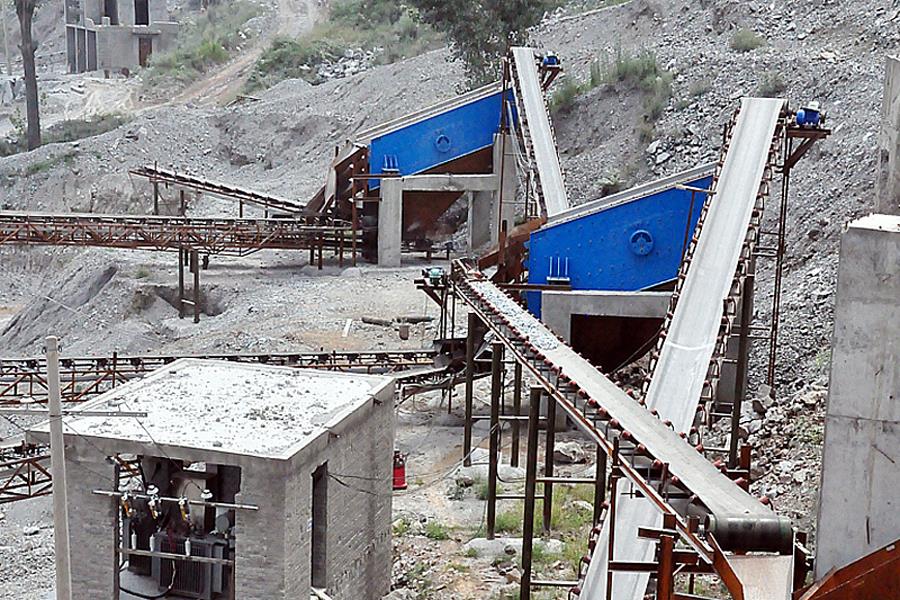
The composite crusher is a highly efficient sand-making machine favored by users
-
-
-
Environmental Sand Production Processes: Dry Sand Making vs. Wet Sand Making—Which One Has the Edge?
-