How to Choose Between Dry, Wet, and Semi-Dry Sand-Making Processes
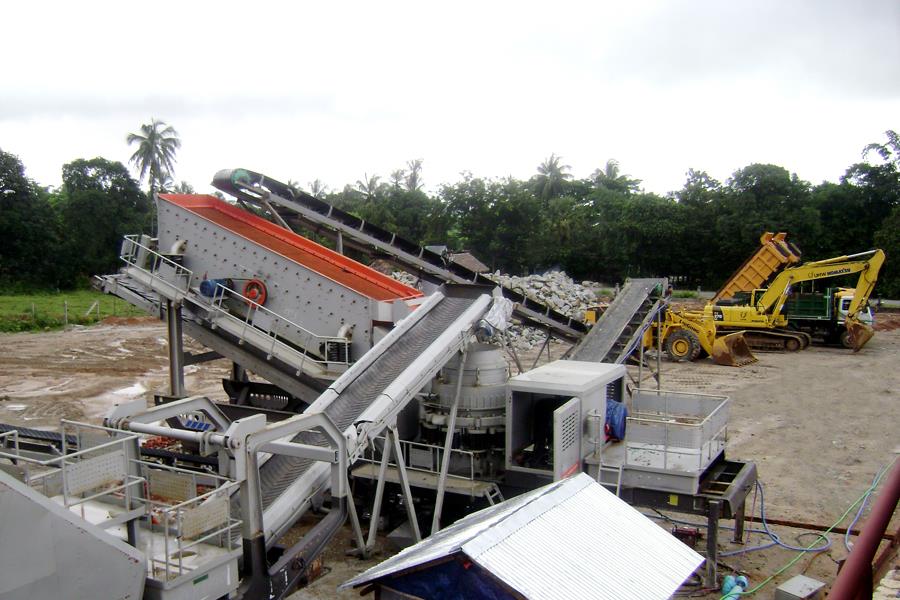
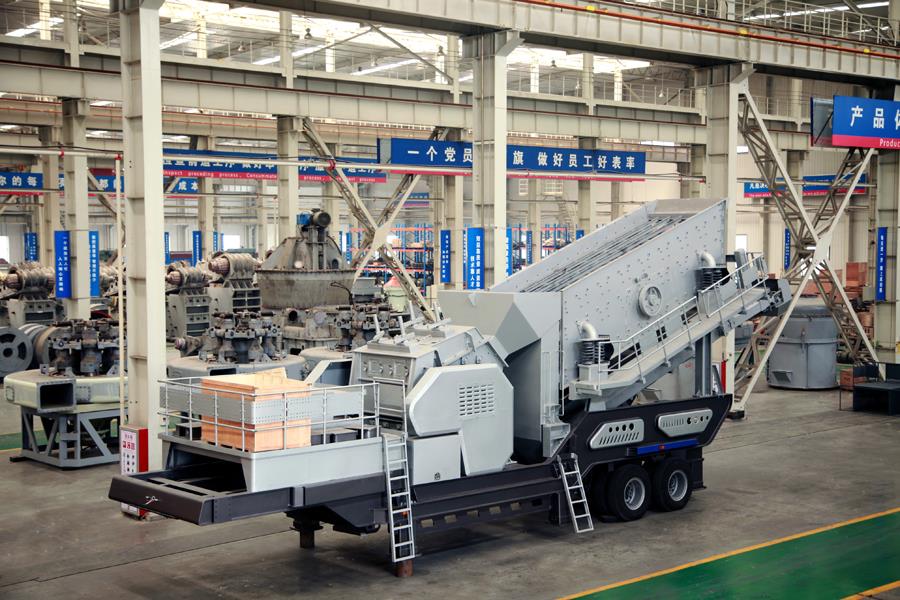
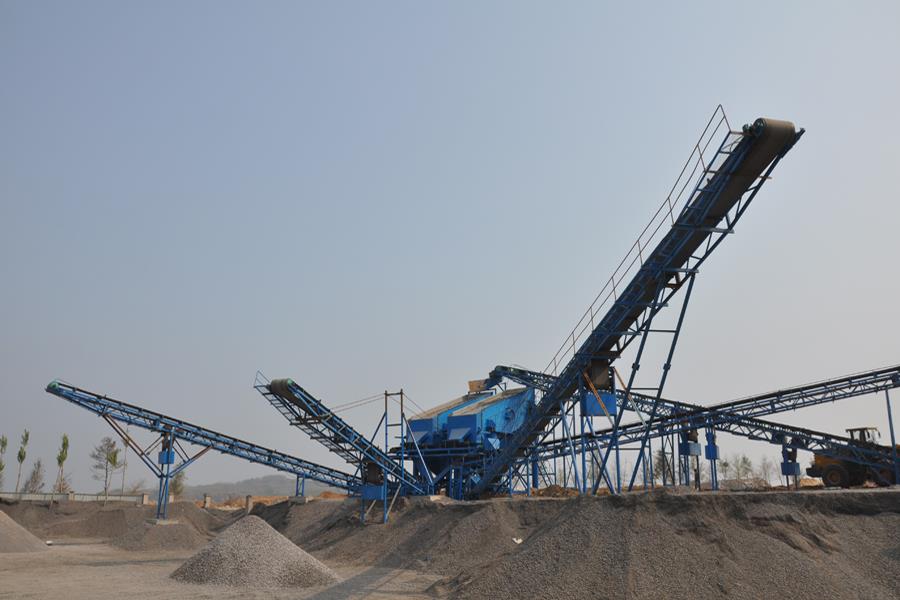
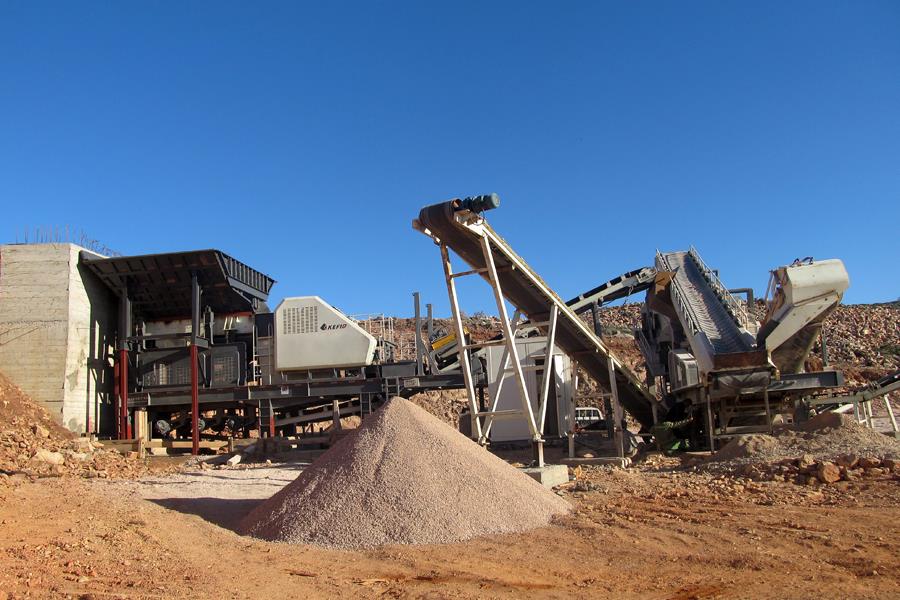
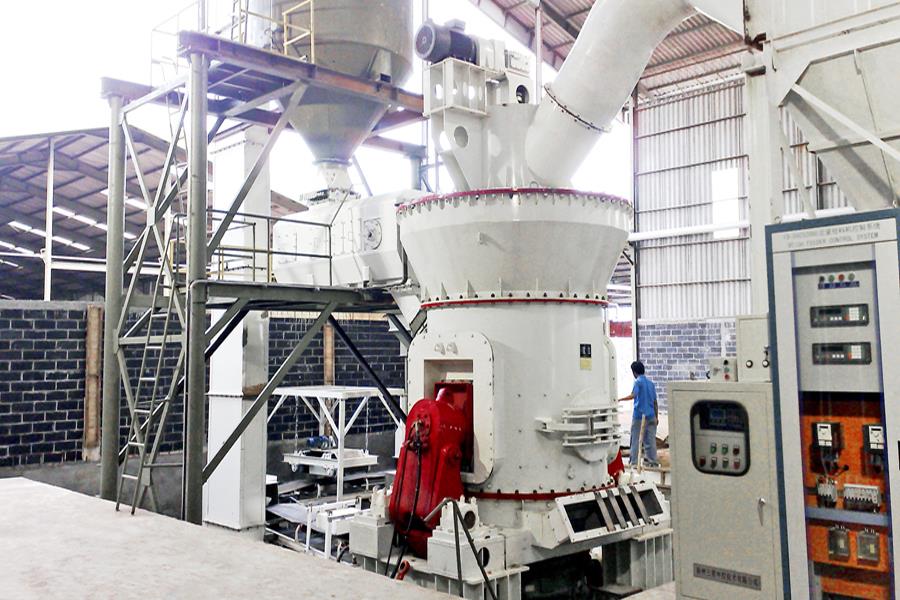
The primary production processes for manufactured sand include dry-process sand-making lines, semi-dry-process sand-making lines, and wet-process sand-making lines. These processes can produce manufactured sand of various specifications based on different production methods. Within manufactured sand production lines, the core equipment used in both dry and wet sand-making processes is essentially the same, consisting mainly of primary crushers, secondary/tertiary crushers, and high-efficiency sand makers. Both methods share the same objective: to enhance sand particle quality and meet the requirements for concrete and dry-mix mortar applications. However, the primary distinction between dry and wet sand-making processes lies in their differing approaches to handling stone powder and clay content within the manufactured sand. Each method presents both advantages and disadvantages. Today, we will discuss the pros and cons of these two processes, aiming to assist more investors in selecting the appropriate manufactured sand process design.
Characteristics of Semi-Dry Sand-Making Process Compared to wet sand-making, the semi-dry process eliminates the need for washing some finished sand. Consequently, it consumes significantly less water than wet methods, reduces stone powder loss in the final product, and yields sand with lower moisture content. The semi-dry process requires higher initial investment than the dry method but less than the wet method. Its stone powder content and operating costs fall between the two extremes.
How to Choose Between Dry, Wet, and Semi-Dry Sand-Making Processes?
1. Production Requirements
First, consider the water resources available in your region, the required stone powder content and fineness modulus of the manufactured sand, and the cleanliness of the raw materials. If production conditions permit, prioritize the dry sand-making process, followed by the semi-dry process, and finally the wet process.
2. Production Costs
Considering equipment investment costs for the sand production line, processing expenses for manufactured sand aggregates, plant footprint, and operational management complexity, the dry method is also the preferred choice. The semi-dry method follows as the next priority, with the wet method being the least preferred.
Currently, most sand production lines employ dry processes. Through years of accumulated production experience and increased investment in technology and innovation, our company has resolved dust and noise issues in dry sand production lines, earning widespread customer approval. We welcome visits to OCP Heavy Industry for on-site inspections of our facilities and crushers, as well as consultations on crusher selection. Our specialists will recommend the most suitable crusher based on your material properties and regional production characteristics!