
How to balance a cone crusher rotor after relining
For cone crusher operators worldwide, relining (replacing the mantle and concave) is routine maintenance. However, many overlook a critical step: balancing the rotating assembly after relining. An unbalanced cone crusher “rotor” – the main shaft, eccentric, and mantle – causes excessive vibration, premature bearing failure, uneven liner wear, and reduced throughput. Knowing how to balance a cone crusher rotor after relining helps you extend component life, improve product consistency, and avoid costly unplanned downtime. OCP Mechanical Company, a factory‑direct manufacturer with over 40 years of experience, supplies precision‑balanced rotating assemblies and offers remote guidance for field balancing, backed by 24/7 online support.
Note: Product data are constantly updated; the latest specifications should be confirmed with our online customer service.
Why balance matters after relining
When you install a new mantle, the mass distribution around the rotating assembly changes. Even if the old mantle was balanced with the eccentric, a new mantle has slightly different weight or concentricity. Running an unbalanced assembly causes vibration that can be felt on the crusher frame and measured at the main bearing housing. Symptoms of imbalance after relining include:
Increased vibration velocity (above 2.5 mm/s RMS)
Unusual knocking or rhythmic noise
Fluctuating motor current
Uneven wear on the new mantle within the first few hundred hours
Many crusher failures trace back to imbalance ignored after liner changes. A simple balancing procedure after each relining can extend bearing life by 30‑50% and prevent main shaft cracking.
Step‑by‑step balancing procedure
Follow this guide for how to balance a cone crusher rotor after relining safely and effectively:
Step 1 – Prepare the crusher
Shut down and lock out power. Clean the area around the main shaft flange and eccentric. Ensure the new mantle is properly tightened to the specified torque.
Step 2 – Measure baseline vibration
Mount a vibration meter (accelerometer) on the crusher frame near the main bearing housing. Run the crusher empty at normal operating speed for 2‑3 minutes. Record vibration velocity (mm/s RMS) at four cardinal points (0°, 90°, 180°, 270°). A well‑balanced assembly typically shows vibration below 2.5 mm/s. Readings above 4‑5 mm/s indicate imbalance.
Step 3 – Identify the heavy spot
If vibration is high, stop the crusher. Mark the orientation of the high‑vibration point (e.g., 90°). This indicates the direction of the heavy side of the assembly.
Step 4 – Add or remove weight
On the counterweight of the eccentric (or on a dedicated balance ring), you can add small balance weights (washers or steel plates) on the side opposite the heavy spot. In some designs, drilling holes to remove weight is possible. Never weld on the eccentric or shaft. OCP provides pre‑drilled balance rings on our crushers for easy field balancing. Add weight in small increments (50‑100 grams) and re‑test.
Step 5 – Re‑test vibration
Run the crusher empty again. If vibration has decreased but still above 2.5 mm/s, adjust weight position or amount. Repeat until vibration is within acceptable limits.
Step 6 – Document the final balance
Record the amount and position of added weight. This serves as a reference for future relining.
All performance and price information in this article is for reference only; contact our team for current, site‑specific data.
Alternative: factory dynamic balancing
The most reliable method to avoid field balancing is to have the entire rotating assembly (main shaft, eccentric, and mantle) dynamically balanced at a specialized facility before installation. OCP offers a factory dynamic balancing service for Type C cone crusher assemblies. When you order a new rotating assembly or send us your existing one for refurbishment, we balance it on a high‑precision machine to ISO G‑6.3 or better. This eliminates the need for field balancing and reduces your maintenance time. Many mines and quarries have switched to pre‑balanced assemblies, saving hours of downtime after each reline.
How to maintain balance between relines
After you have successfully balanced the assembly, prevent imbalance from recurring:
Always replace mantle and concave as matched sets – Using mismatched liners can introduce imbalance.
Tighten the mantle locking nut to the correct torque – A loose mantle shifts during operation, causing imbalance.
Inspect the balance weights monthly – Ensure they have not come loose.
Record vibration levels after each reline – Establish a baseline for future comparisons.
OCP provides remote support for balancing via video call. Our 24/7 team can walk your maintenance crew through the procedure.
Why OCP is your partner for cone crusher balance and reliability
Mastering how to balance a cone crusher rotor after relining is essential for maximizing crusher life and uptime. OCP Mechanical Company has four decades of experience in cone crusher manufacturing and field service. Our 24/7 online team helps with vibration diagnosis, balancing procedures, and supply of balance weight kits. We keep common components in stock for fast global delivery. We invite you to request a no‑obligation consultation.
For a no‑obligation consultation on how to balance a cone crusher rotor after relining, simply click the live chat icon on this page. Our online customer service team is available 24 hours a day, 7 days a week, to provide free technical advice, balancing guidance, and spare parts – helping you keep your cone crusher running smoothly.
-
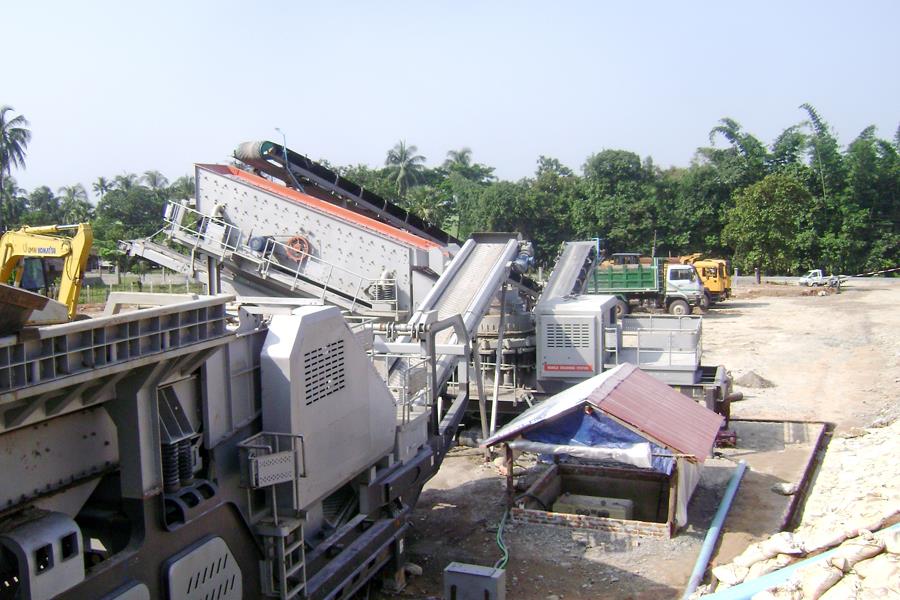
Price list of vibrating screen for aggregate 418 tph in Oman
-
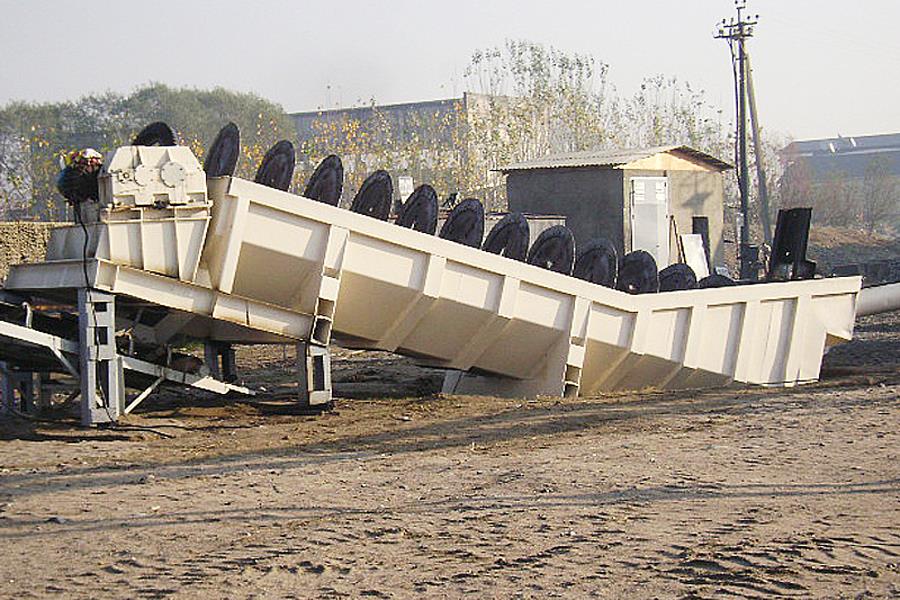
Purchase a sand screw washer for artificial sand 48 tph in Indonesia
-
-
-
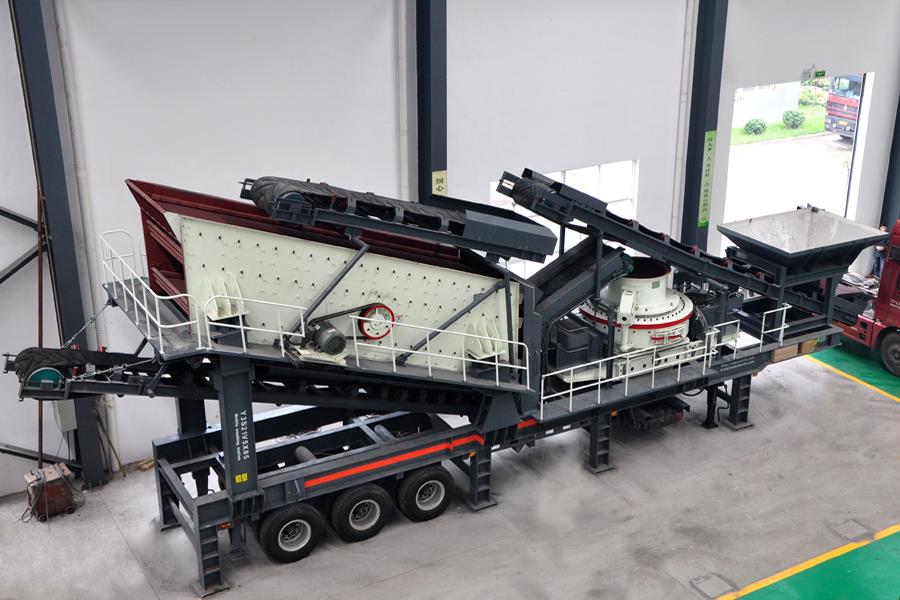
Factory direct price of cone crusher for trona 108 tph in Kenya