
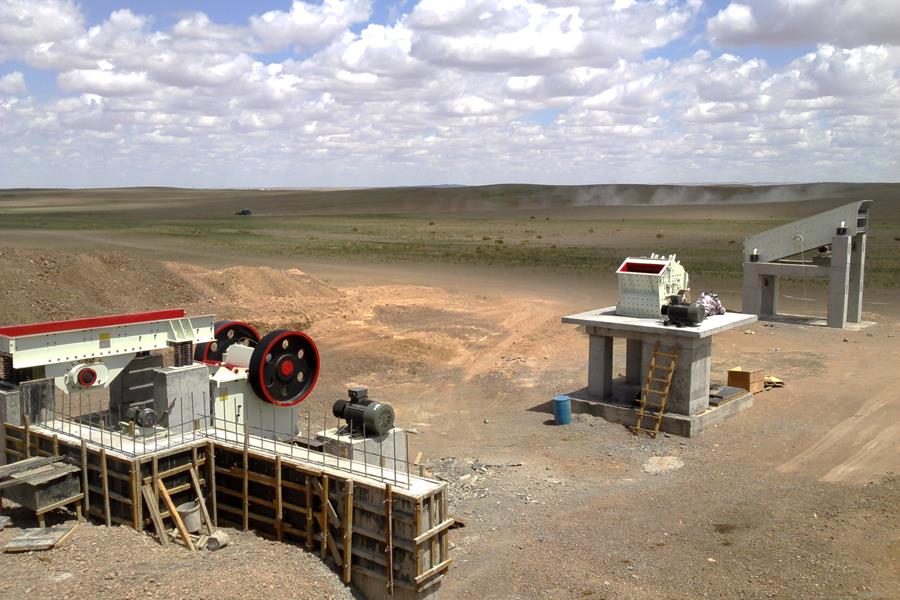
How to automate a jaw crusher with PLC control
For jaw crusher operators in North America – from hard rock quarries in Ontario to aggregate plants in Texas and California – moving to PLC-based automation is a proven way to improve product consistency, reduce labor costs, and enhance safety. Traditional manual adjustment of closed side setting (CSS) requires stopping the crusher, removing shims, and reassembling – a time‑consuming process that impacts production. Adding PLC control allows remote CSS changes, real‑time power monitoring, and automated feeder control. Understanding how to automate a jaw crusher with PLC control helps you modernize your operation without replacing the entire crusher. OCP Mechanical Company, a factory‑direct manufacturer with over 40 years of experience, supplies Type J jaw crushers with integrated PLC automation as well as retrofit kits for existing crushers, backed by 24/7 online support.
Note: Product data are constantly updated; the latest specifications should be confirmed with our online customer service.
Key components of a PLC-controlled jaw crusher system
To automate a jaw crusher with PLC control, you need several core components:
Hydraulic CSS adjustment system – Replaces manual shims with hydraulic cylinders and a position sensor (linear encoder) for precise setting changes.
Power draw monitor – Measures motor current; the PLC can reduce feeder speed if the crusher overloads.
Level sensor – Installed in the feed hopper to maintain a choke‑fed condition. The PLC adjusts feeder speed to keep material level constant.
Belt scale (optional) – Monitors throughput and can be integrated for production reporting.
PLC with HMI (touchscreen) – The brain of the system. Allows operators to set target CSS, view real‑time data, and log historical performance.
VFD for feeder – Enables remote speed control and soft start.
Many North American quarries have installed these components on their existing jaw crushers, achieving CSS adjustment times of under two minutes (compared to 1‑2 hours manual). A typical retrofit kit for a 200 tph jaw crusher ex‑works ranges from $15,000 to $25,000 USD. Factory‑direct pricing saves 15‑20% compared to other suppliers.
How PLC control improves crusher performance
Once you learn how to automate a jaw crusher with PLC control, the benefits are immediate:
Consistent product size – The operator simply dials in the target CSS. The PLC moves the hydraulic cylinders to the exact position and holds it, compensating for liner wear without constant manual checks.
Reduced downtime – CSS adjustments are made in minutes without stopping the crusher (or with a very brief pause). For a 300 tph crusher, saving one hour of downtime per day can recover over $100,000 in annual production value.
Lower wear costs – The choke‑fed control prevents the crusher from running empty, reducing shock loading and extending jaw plate life by 10‑20%.
Operator safety – No manual shim handling near moving parts. The operator works from a control room away from dust and noise.
Many North American operations have reported a 30‑50% reduction in unplanned downtime and a 15‑20% increase in jaw plate life after implementing PLC automation.
How to integrate automation into an existing jaw crusher
To automate a jaw crusher with PLC control, you have two paths: purchase a new automated crusher or retrofit your existing unit. OCP offers both:
New automated crusher – Type J jaw crusher with factory‑installed hydraulic CSS, sensors, and PLC control panel. Ready to connect to plant power and network. Lead time: 4‑6 weeks.
Retrofit kit – For existing Type J or other compatible jaw crushers. Includes hydraulic cylinders, power unit, position sensor, PLC, and HMI. Installation typically takes 2‑3 days by a qualified electrician and mechanic. OCP provides remote guidance.
For North American sites, OCP keeps common retrofit components in regional warehouses for fast delivery. Lead time for retrofit kits is 2‑4 weeks.
Operational tips for automated jaw crushers
Calibrate the CSS sensor – After installing new jaw plates, run the crusher empty and set the “0” reference point. This ensures the digital readout matches the physical CSS.
Set power draw limits – Program the PLC to reduce feeder speed if motor current exceeds 90% of rated, protecting the crusher from overload.
Log data – Use the HMI to record CSS changes, operating hours, and power draw. This data helps predict liner replacement intervals.
Train operators – Familiarize them with the touchscreen interface and emergency stop procedures.
Why OCP is your partner for jaw crusher automation in North America
Mastering how to automate a jaw crusher with PLC control is a strategic upgrade that reduces operating costs and improves safety. OCP Mechanical Company has four decades of experience in crushing equipment and control systems. Our 24/7 online team helps with retrofit planning, PLC programming, and troubleshooting. We keep common automation components in our North American warehouse for fast delivery. We invite you to request a no‑obligation quote and automation assessment.
For a no‑obligation consultation on how to automate a jaw crusher with PLC control, simply click the live chat icon on this page. Our online customer service team is available 24 hours a day, 7 days a week, to provide free technical advice, automation recommendations, and retrofit support – helping you modernize your jaw crusher for the digital age.
-
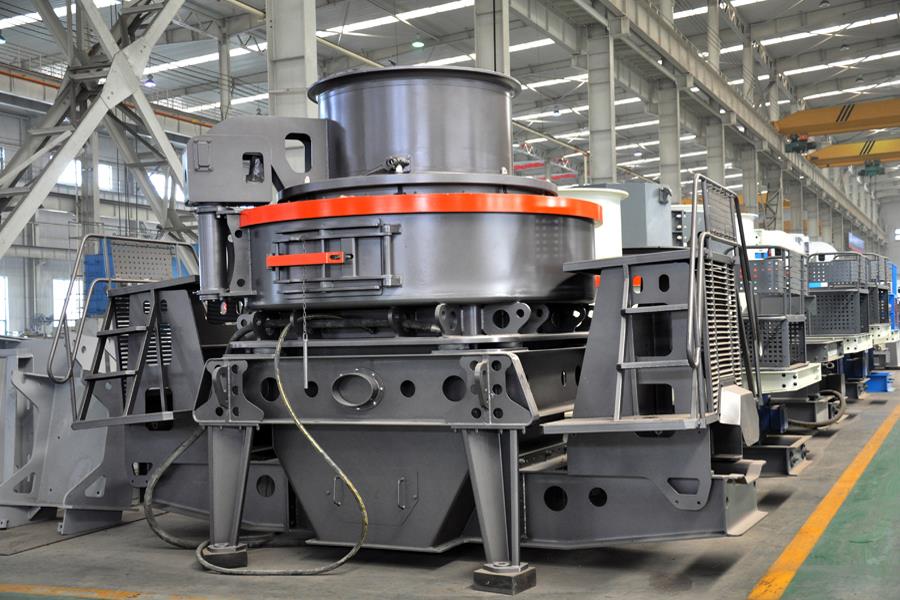
Factory direct price of cone crusher for trona 108 tph in Kenya
-
-
-
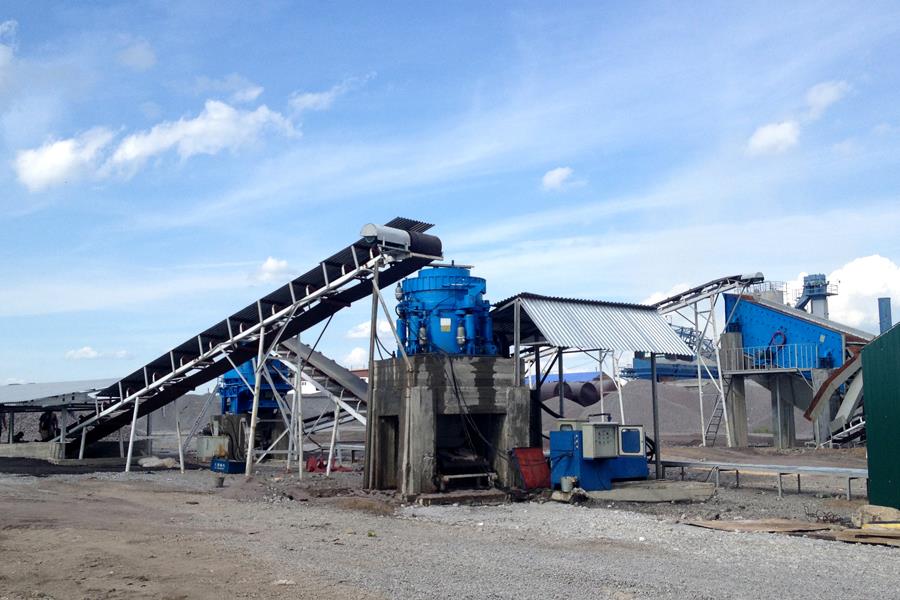
Cost of setting up a VSI sand line for gabbro 78 tph in Saudi
-
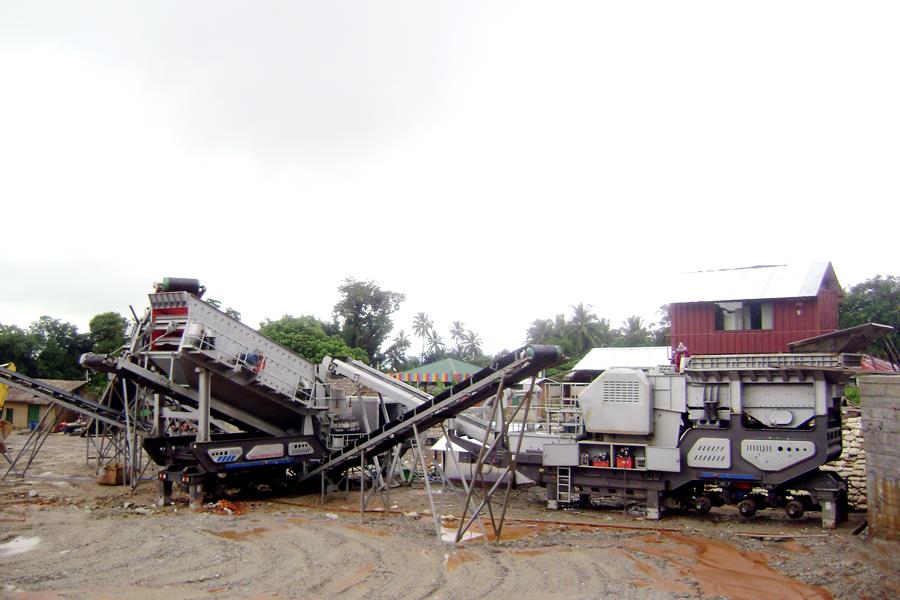
Where to buy a used jaw crusher for andesite 188 tph in Philippines