
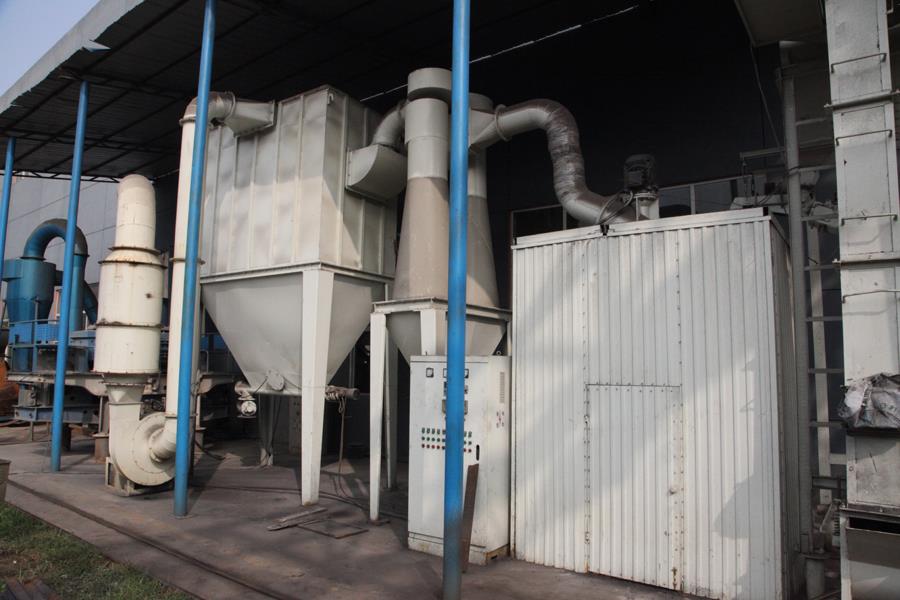
How many types of river pebble sand products are there
River pebbles are a common raw material for sand production. After crushing and processing, the finished manufactured sand is comparable to natural sand. Generally, in the sand production process, one tonne of river pebbles can produce coarse sand, medium sand, and fine sand, with a sand yield rate of approximately 86%.
First, sand classification
Based on the fineness modulus (an indicator of the coarseness and classification of natural sand particle size), sand specifications are divided into coarse, medium, and fine.
Coarse sand: Fineness modulus of 3.7–3.1, with an average particle size of 0.5 mm or larger.
Medium sand: Fineness modulus of 3.0–2.3, with an average particle size of 0.5–0.35 mm.
Fine sand: Fineness modulus of 2.2–1.6, with an average particle size of 0.35–0.25 mm.
Extra-fine sand: Fineness modulus of 1.5–0.7, average particle size below 0.25 mm.
The higher the fineness modulus, the coarser the sand.
The fineness modulus range for ordinary concrete sand is 3.7–1.6, which falls between the fineness moduli of fine and coarse sand, particularly medium sand, or a mixture of coarse sand with a small amount of fine sand, with a ratio of 4:1.
Sand particle size matching refers to the proportion of matching particle sizes in the sand. For sand of the same thickness, the gaps are largest when two particle sizes are matched, smaller when three particle sizes are matched, and even smaller when three particle sizes are matched.
Second, sand-making process
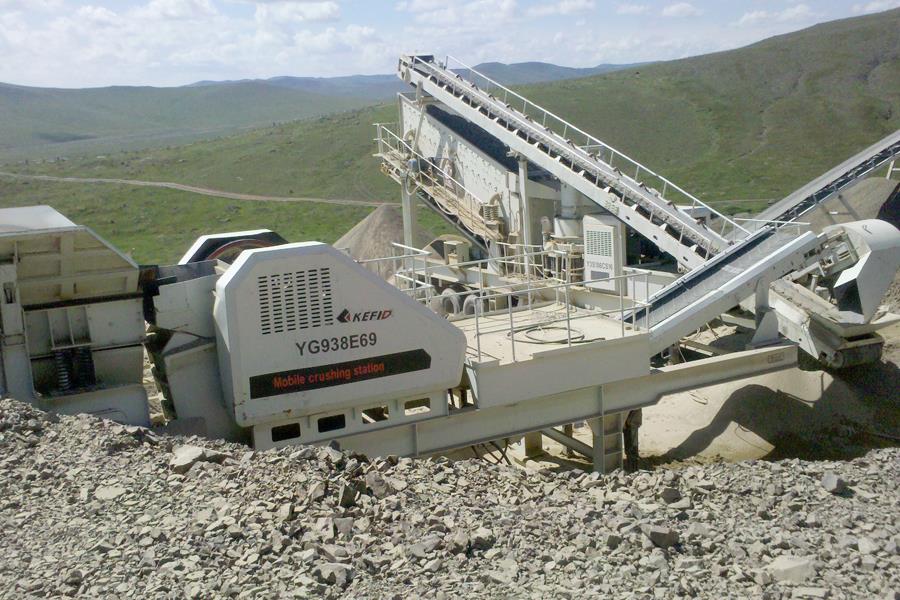
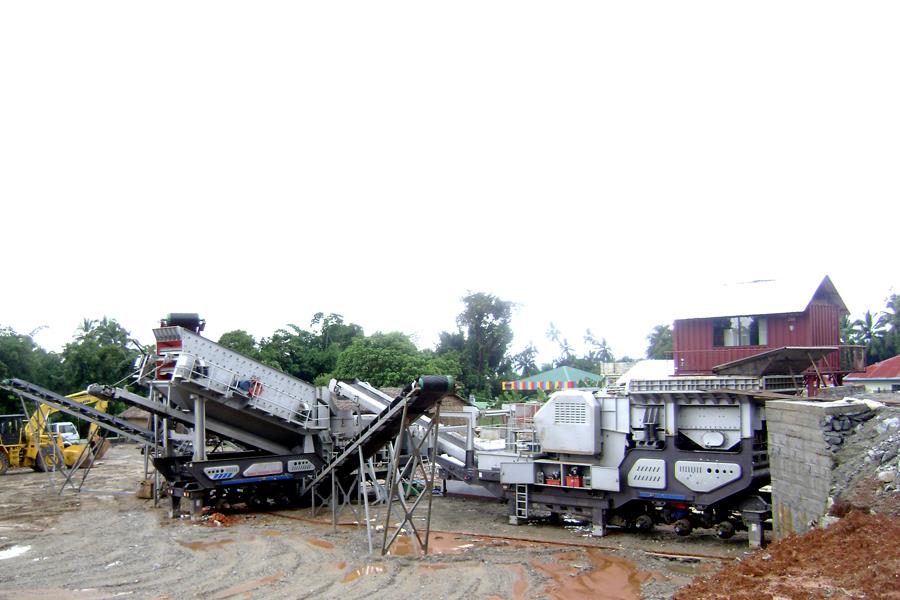
The sand-making process for river pebbles is relatively simple, with the basic process as follows:
Coarse crushing: Jaw crusher, with an hourly output of approximately 100–1,500 tonnes, capable of crushing raw material of 40–50 centimetres in size to approximately 5 centimetres;
Medium and fine crushing: Cone crushers and impact crushers are used for medium and fine crushing. Cone crushers utilise a layer compression crushing principle, with an hourly output of 100–800 tonnes, producing finished material of 3 centimetres in size. Impact crushers use the impact principle, with an hourly output of 100-2000 tonnes.
Sand-making and shaping: Sand-making machines have an hourly output of 50-300 tonnes, with an input size of 5 centimetres and an adjustable output size of less than 5 millimetres, producing crushed products that meet the requirements for standard sand.
Supporting equipment: Vibrating feeder, sand washer, conveyor belt, sand washer.
Pebble hardness is relatively high. If resources are abundant, they can be processed into sand for sale, with significant intermediate profits. If you are interested in sand-making production line equipment, please click on the website customer service for free consultation, available 24/7.
-
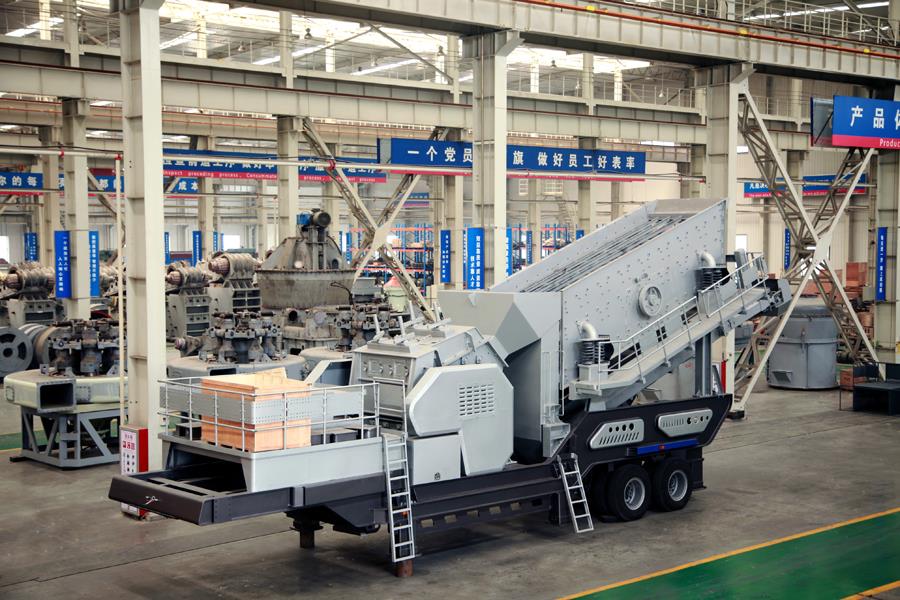
Large-scale sand-making machines meet the requirements for granite sand production
-
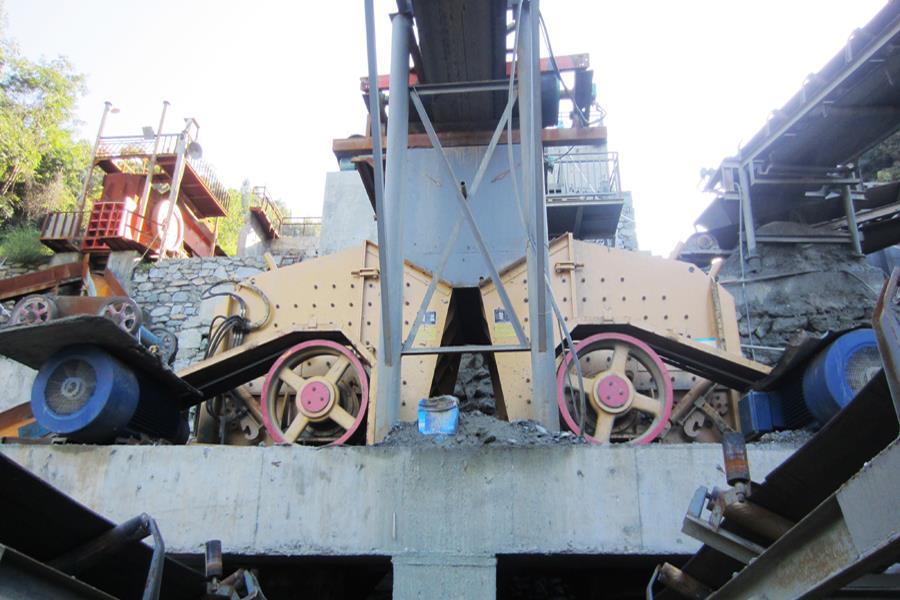
Iron Ore Beneficiation Processes for Different Types of Iron Ore
-
-
-
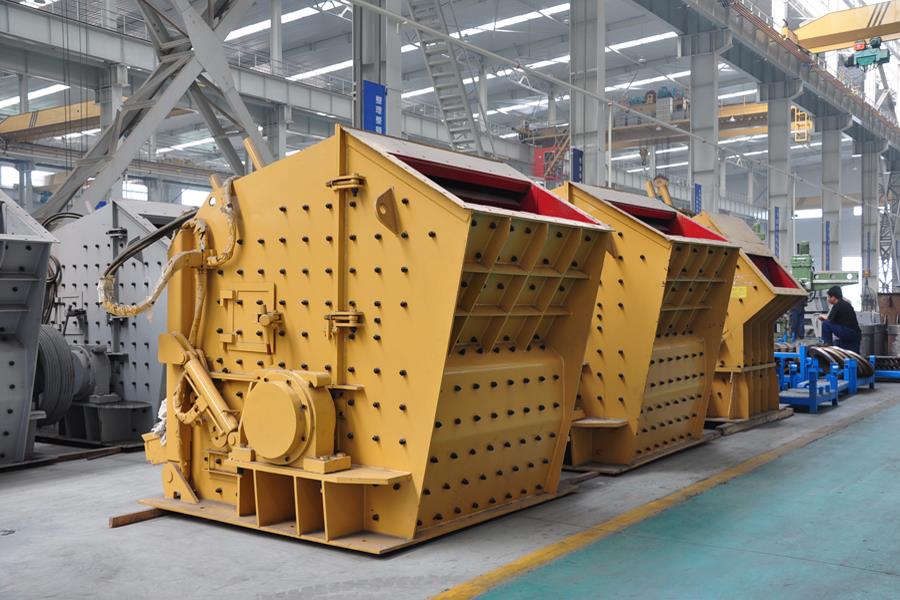
Choosing Between a Hammer Crusher and an Impact Crusher for Sand Making Machines