
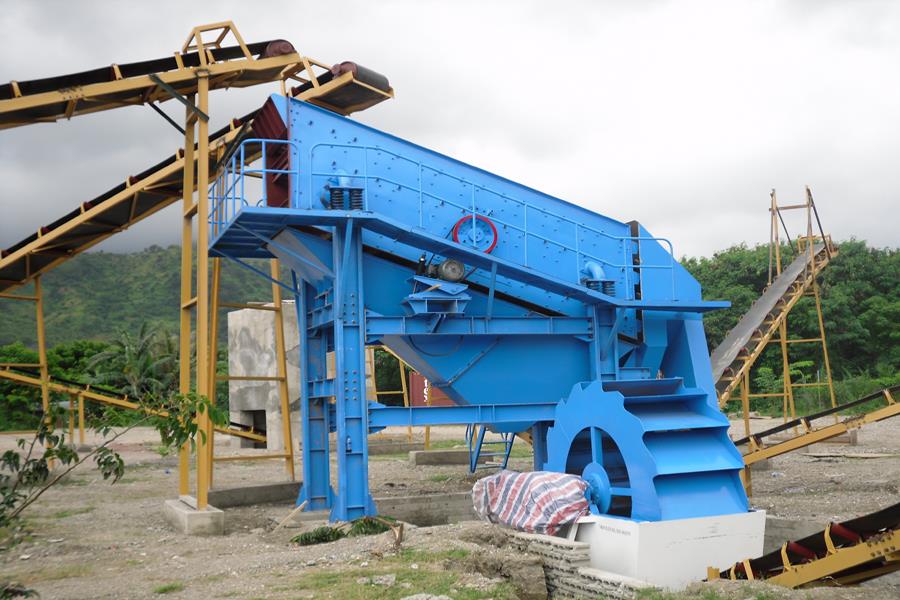
How many types of gypsum powder mills are there
Gypsum powder generally refers to raw gypsum, also known as dihydrate gypsum, which is the dihydrate of calcium sulfate. It is abundant in natural reserves and performs well in fields such as medicine, agricultural fertilizers, industrial materials, and construction materials. However, how many types of gypsum powder mills are there?
Regarding gypsum grinding equipment, there are currently many types available on the market. Gypsum is a monoclinic mineral with excellent soundproofing, thermal insulation, and fire-resistant properties. It is generally classified into two types: anhydrite and gypsum. It has a Mohs hardness of 2–3.5, with a density of 2.3 g/cm³. The crystals are plate-like, and gypsum typically appears as dense lumps or granules. Therefore, considering all factors, using a Raymond mill or an ultra-fine grinding mill is more suitable, with six models available for selection. (The technical parameters and other data mentioned in this article are subject to change as products are upgraded; please contact our website customer service to obtain the latest equipment specification sheet.)
01 Gypsum Raymond Mill
The finished product has a particle size of approximately 80–360 mesh. Designed through continuous improvements, this mill forms a complete production system—from raw material processing and conveying to grinding and packaging. The electrical system features centralized control and a high degree of automation. Combined with the synergistic action of the classifier and blower, it meets the diverse needs of users. The finished fine powder is of high quality, uniform, and exhibits high sorting precision. The fineness can be adjusted as needed. The main unit’s transmission system uses a sealed gearbox and pulleys for smooth operation. Its three-dimensional structural design minimizes the footprint.
02 Ultra-Fine Grinding Mill
The finished product has a particle size of approximately 65–1000 mesh. As an upgraded version of standard grinding equipment, it features improvements in internal structure and key components. A spring-loaded pressure-boosting device increases grinding force, while a low-resistance suspended cage classifier ensures high separation efficiency. Its modular design and variable-frequency speed control accommodate varying fineness requirements and precise grading. Coupled with a heavy-duty base, the equipment operates more smoothly. Externally mounted anchor bolts reduce material blockages in the air ducts, while the pulse dust collector enables automatic dust removal.
Gypsum Powder Production Line Process Flow:
Raw Material → Jaw Crusher → Bucket Elevator → Electromagnetic Vibrating Feeder → German-Style Ultra-Fine Grinding Mill → Classifier → Dust Collector → Finished Product;
Prices for gypsum powder grinding equipment vary widely. We recommend consulting specific manufacturers directly. Differences in equipment types and models will naturally affect pricing. Additionally, with numerous manufacturers currently in the market, variations in material selection, workmanship standards, and sales models contribute to price discrepancies. Please feel free to click for online consultation. You are welcome to visit our factory and inspect our production facilities at any time. Our technical team will provide comprehensive services including equipment installation, commissioning, and technical training.
-
-
-
Dolomite Crushing and Grinding Process Flow and Equipment Prices
-
Methods to extend the service life of liners in iron ore crushers
-
How to choose between impact crusher and cone crusher for metal ores