
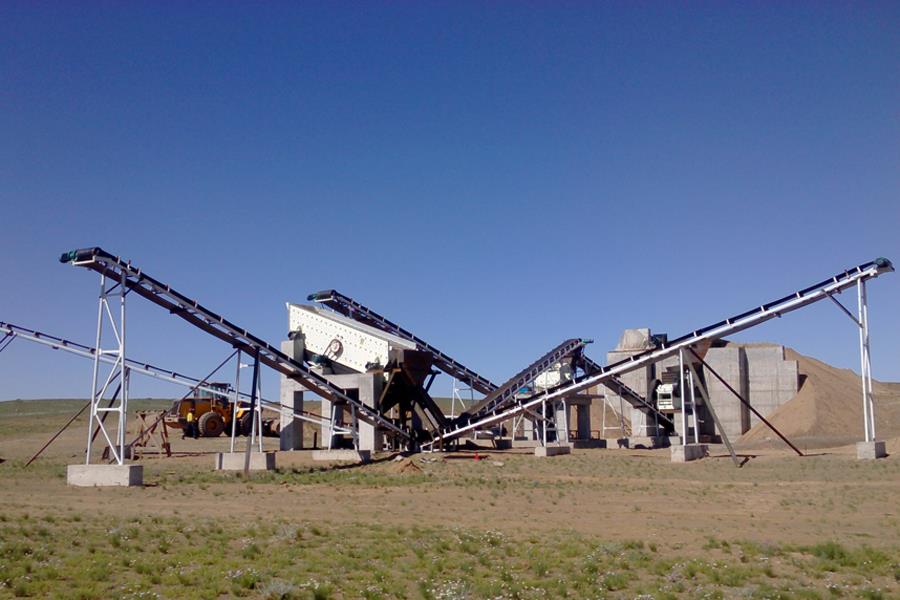
How to choose between impact crusher and cone crusher for metal ores
Selecting the right secondary or tertiary crusher for metal ores directly affects product shape, wear costs, and overall plant efficiency. Knowing how to choose between impact crusher and cone crusher for metal ores depends primarily on ore hardness, abrasion index, and desired product shape. Impact crushers use high-speed rotors and blow bars to fracture ore by impact, making them ideal for ores with compressive strength below 200 MPa (e.g., some gold, lead-zinc, and manganese ores). Cone crushers use compression between mantle and concave, excelling at hard, abrasive ores like iron, copper, and taconite. OCP Machinery, with 40+ years of experience, manufactures both types and provides clear selection criteria: use impact crushers when you need cubical product and lower capital cost (30-40% less than cone crushers), but use cone crushers when ore abrasion index exceeds 0.3 or compressive strength exceeds 200 MPa. To understand how to choose between impact crusher and cone crusher for metal ores, OCP engineers run a simple crushability test on your ore sample.
In actual operation, an impact crusher works by throwing ore against wear plates or a rock shelf. For a gold mine with quartz vein ore (hard but not highly abrasive), OCP recommended a PF-1315 impact crusher that produced a cubical 0-25mm product suitable for heap leaching. Operating cost was $0.18 per ton. However, when the same mine later processed a harder, siliceous ore (Ai 0.45), blow bar life dropped to 80 hours. OCP then helped them switch to a cone crusher (HPY300), which reduced wear cost to $0.12 per ton despite higher energy consumption. The decision of how to choose between impact crusher and cone crusher for metal ores also considers closed circuit operation – cone crushers handle circulating loads better. OCP’s custom capability includes offering hybrid plants with both an impact crusher and a cone crusher on separate platforms, allowing you to switch based on ore type. Our direct factory pricing makes both options affordable, and we provide a wear cost guarantee for the first 6 months.
OCP’s 40 years of experience has produced a decision matrix: for metal ores with compressive strength <150 MPa and Ai <0.2, use impact crusher; for strength >200 MPa or Ai >0.3, use cone crusher; in between, evaluate total cost. For a copper-gold project in the Philippines, OCP demonstrated how to choose between impact crusher and cone crusher for metal ores by running both on site for one week. The impact crusher had 15% higher throughput but 40% higher wear cost, making the cone crusher the better long-term choice. To get a definitive answer for your metal ore, contact OCP today. Send us a 200kg ore sample. Our engineers will perform comparative testing and show you exactly how to choose between impact crusher and cone crusher for metal ores for your specific material. Click the online chat button for 24/7 consultation. Request a free test report and quotations for both crusher types. Make the right choice with OCP’s data-driven recommendation.
(The technical parameters and pricing information mentioned in this article are subject to change as products are upgraded and are for reference only. Please contact customer service on the website for the latest equipment details.)
-
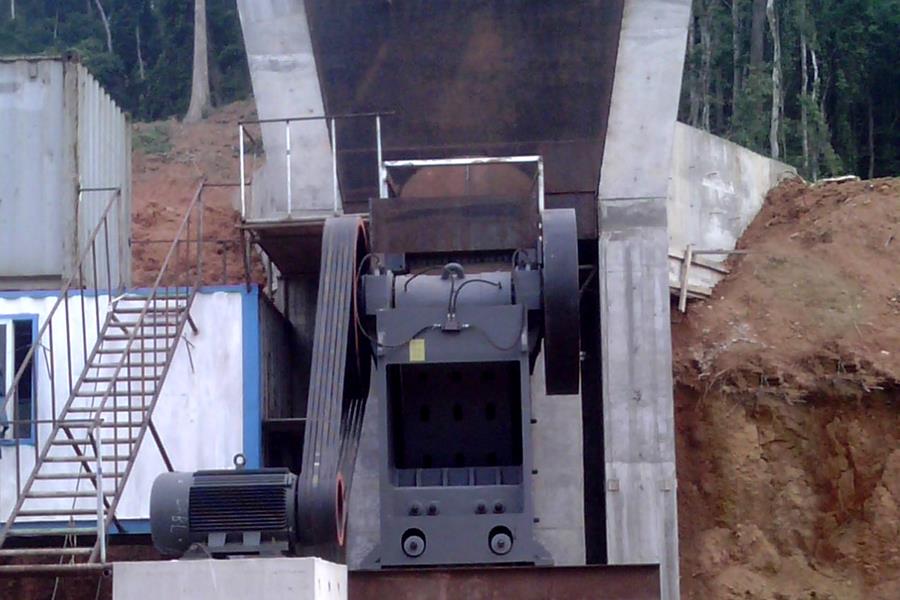
Crushing equipment selection for copper tailings recycling and reuse
-
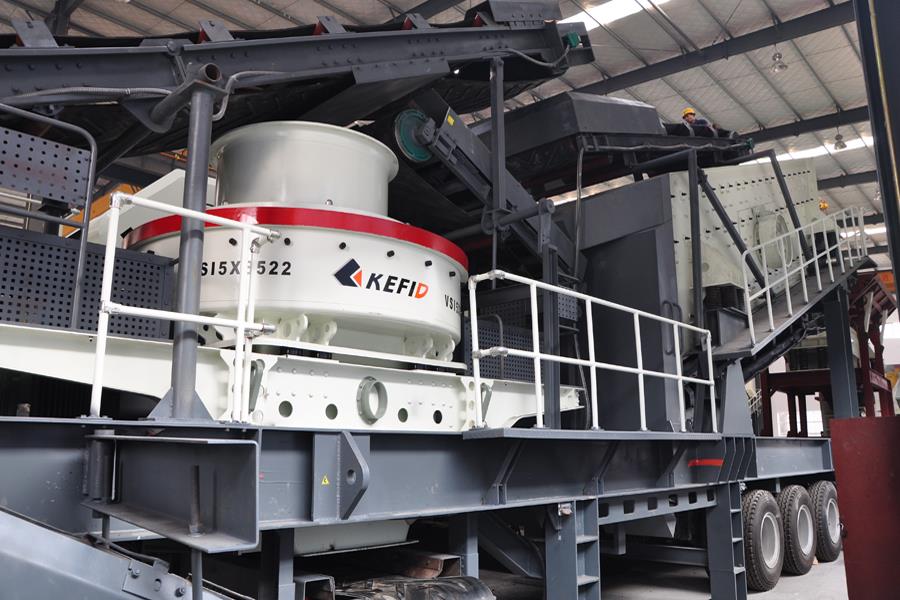
What crusher with dust control to use for heavy dust in gold ore crushing
-
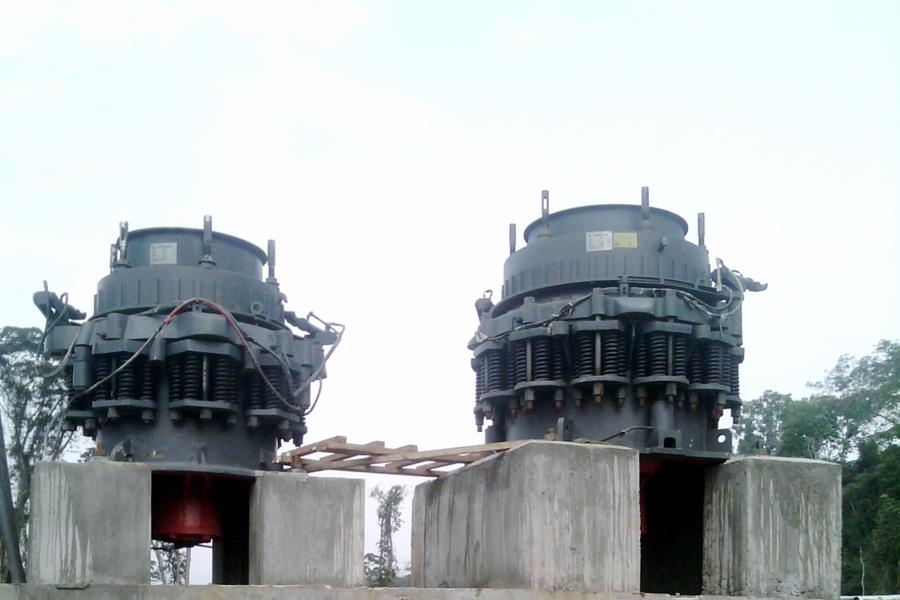
Configuration of mobile copper ore crushing station with 2000 tons per day capacity
-
Recommended sand making machine models for fine crushing of lead-zinc ore
-
Comparison of single-cylinder vs multi-cylinder cone crusher cavity types for iron ore