
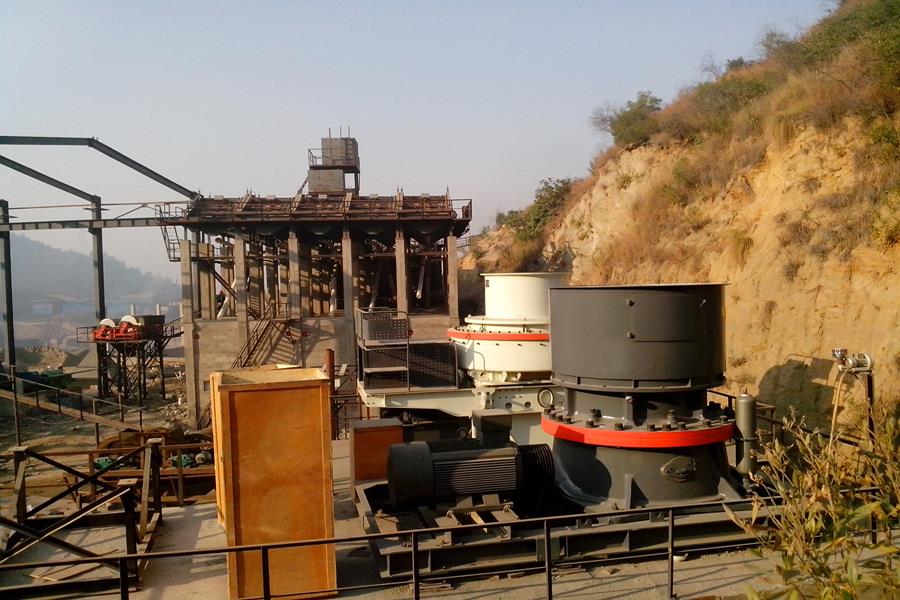
Energy consumption per ton of VSI for granite 130 tph in UAE – A practical guide for cost-conscious operators
Why understanding energy consumption per ton of VSI for granite 130 tph in UAE is critical for your profitability
The UAE's construction sector continues its robust expansion, with major infrastructure projects and urban developments driving sustained demand for high-quality manufactured sand. Granite, with its hardness and durability, is a preferred feedstock for premium concrete aggregates and asphalt applications. However, granite's high silica content presents a significant challenge: it is highly abrasive, accelerates wear on VSI components, and demands careful attention to energy efficiency. In an environment where electricity costs matter and production margins are under pressure, understanding the energy consumption per ton of VSI for granite 130 tph in UAE is essential for accurate cost forecasting and operational optimisation. At OCP Mechanical Company, with over 40 years of manufacturing expertise, we engineer VSI crushers and wear solutions that deliver reliable performance in hard rock applications, providing transparent data and customised configurations for the UAE market.
What drives energy consumption in a VSI crusher for granite
The energy consumption of a VSI crusher is influenced by several interrelated factors. The rotor tip speed is the most significant variable: higher speeds generate greater impact energy, which improves particle shape but also increases power draw and wear rates. For granite, which has a compressive strength of 180‑240 MPa and a Mohs hardness of 6‑7, the energy required to fracture particles and produce manufactured sand is substantially higher than for softer materials like limestone. Feed size distribution also plays a key role; a well‑graded feed with fewer fines allows the crusher to operate more efficiently, as the impact energy is used primarily for breaking larger particles rather than over‑crushing already fine material. Additionally, the cascade ratio – the proportion of material that bypasses the rotor – affects both product gradation and energy usage. A higher cascade ratio reduces the load on the rotor, lowering power consumption, but may compromise product shape. Our Type V VSI is equipped with a variable frequency drive that allows precise adjustment of rotor speed and cascade settings, enabling operators to find the optimal balance between energy efficiency and product quality. When you evaluate the energy consumption per ton of VSI for granite 130 tph in UAE, these operational parameters are the primary levers you can adjust to minimise costs.
Typical energy consumption ranges for VSI crushing of granite
Based on extensive field observations across hard rock applications, a well‑tuned VSI crusher processing granite at 130 TPH typically consumes between 0.8 and 1.4 kWh per tonne of finished sand. The lower end of this range is achievable with optimal feed conditions, a moderate rotor speed of around 50‑55 m/s, and a cascade ratio of 20‑30 per cent. Higher rotor speeds, while producing a more cubical product, can push energy consumption toward the upper end, sometimes exceeding 1.5 kWh per tonne. For a 130 TPH operation, a difference of just 0.1 kWh per tonne translates into 13 kWh per hour of operation. Over a 5,000‑hour operating year, that is 65,000 kWh – a significant cost, particularly given the UAE's industrial electricity tariffs, which range from AED 0.30 to 0.50 per kWh. Therefore, understanding and optimising the energy consumption per ton of VSI for granite 130 tph in UAE can yield annual savings of tens of thousands of dirhams. Our Type V VSI is designed with an energy‑efficient rotor and a high‑efficiency motor that reduces losses, and we provide real‑time power monitoring to help operators track and adjust performance continuously.
How feed characteristics influence energy consumption
The feed to your VSI crusher is not a uniform input; its size distribution, moisture content, and shape all affect energy draw. For granite, the ideal feed size for a VSI is typically between 10 and 40 mm, with minimal fines below 5 mm. Oversize material forces the rotor to work harder, increasing both energy consumption and wear. Conversely, an excess of fines can cushion the impact and reduce efficiency. In many UAE quarries, the feed is sourced from cone crusher products, which already have a relatively consistent shape. However, variations in blasting and primary crushing can introduce fluctuations. We recommend installing a pre‑screening system to remove fines and oversize before the VSI, which can improve the energy consumption per ton of VSI for granite 130 tph in UAE by up to 10 per cent. Additionally, moisture content – often low in the UAE's arid climate – is generally beneficial, as dry material can create more dust and reduce impact efficiency. Our engineering team can conduct a feed analysis and recommend the optimal feed preparation strategy for your specific granite deposit.
The role of wear parts and maintenance in energy efficiency
Wear parts – particularly rotor tips and anvils – have a direct impact on energy consumption. As tips wear, the rotor's geometry changes, reducing the efficiency of particle acceleration. This often leads to an increase in power draw to maintain the same throughput. Regular inspection and timely replacement of worn tips are essential to keep the energy consumption per ton of VSI for granite 130 tph in UAE at its lowest. For granite applications, we recommend using tungsten carbide‑tipped or high‑chrome rotor tips, which offer extended wear life and maintain a sharper edge for longer periods. Our Type V VSI features a quick‑change rotor tip system that minimises downtime during maintenance. We also offer condition monitoring services that track vibration and power draw, alerting you to wear‑related efficiency losses before they become costly. By integrating a proactive maintenance schedule, you can sustain optimal energy performance throughout the life of the crusher.
UAE operating conditions – climate, power quality, and site logistics
The UAE's desert climate, with summer temperatures exceeding 45°C, places additional demands on VSI crushers. High ambient temperatures can reduce the efficiency of electrical motors and increase the risk of overheating. When you evaluate the energy consumption per ton of VSI for granite 130 tph in UAE, it is important to consider the impact of temperature on motor performance – motor efficiency typically decreases by 1‑2 per cent for every 10°C rise above 25°C. Our Type V VSI is equipped with an oversized cooling system and high‑temperature lubricants to maintain stable operation even in extreme heat. Power quality in the UAE is generally reliable, but voltage fluctuations can affect energy consumption; we recommend installing a voltage stabiliser or using a VFD that can compensate for variations. Logistics are well‑developed, with easy access to major ports and highways, ensuring timely delivery and support.
Sample parameter table for Type V VSI (For reference only)
The table below provides indicative specifications for our Type V VSI, configured for 130 TPH granite applications. Actual values depend on feed characteristics and product requirements; please request the latest data from our customer service, as all parameters are continuously updated.
| Parameter | Value (approximate) |
|---|---|
| Model | Type V |
| Capacity (granite sand) | 125‑140 TPH |
| Rotor diameter | 40 in (1,016 mm) |
| Rotor speed range | 45‑65 m/s |
| Motor power | 250‑300 HP (185‑220 kW) |
| Typical energy consumption | 0.8‑1.4 kWh/t |
| Cascade adjustment | Manual or hydraulic |
| Weight (approx.) | 22,000 lbs (10,000 kg) |
This table is for illustrative purposes only. For precise engineering data and process guarantees, please consult our technical team with your specific granite sample.
Strategies to reduce energy consumption and improve your bottom line
Operators in the UAE can adopt several practical strategies to lower the energy consumption per ton of VSI for granite 130 tph in UAE. First, optimise the rotor speed to match your feed size – a lower speed may still achieve the required particle shape with less energy. Second, use a cascade feed system to bypass a portion of the feed around the rotor, which reduces the load on the rotor and saves power. Third, maintain a consistent feed rate; surging causes the crusher to work harder, increasing energy draw. Fourth, regularly inspect and replace wear parts to maintain rotor efficiency. Fifth, consider installing a variable frequency drive if your crusher does not already have one, as it allows for fine‑tuning of motor speed. Our team can conduct an on‑site energy audit and provide specific recommendations for your operation, helping you reduce your cost per tonne and improve overall profitability.
Why OCP Mechanical is your trusted partner for VSI solutions in the UAE
With over 40 years of manufacturing experience, OCP Mechanical combines engineering excellence with a deep understanding of the UAE market. We are a factory‑direct supplier, offering competitive pricing and customised solutions. Our Type V VSI is built with robust components and is backed by responsive after‑sales support, including spare parts availability, remote diagnostics, and on‑site service. We provide comprehensive training for your operators and maintenance teams, ensuring you get the most from your investment. When you need to understand and optimise the energy consumption per ton of VSI for granite 130 tph in UAE, we are your ideal partner, offering not just equipment but a complete energy management solution.
Conclusion – Take control of your energy costs today
Energy consumption is a major component of the operating cost for any VSI crushing operation. By understanding the factors that drive energy use and implementing the strategies outlined above, you can significantly reduce your cost per tonne and improve your competitive position in the UAE's aggregate market. OCP Mechanical offers the equipment, expertise, and factory‑direct pricing you need to succeed. Our online customer service team is available 24/7 to discuss your specific requirements and provide a detailed quote, including energy consumption projections for the energy consumption per ton of VSI for granite 130 tph in UAE. Click the chat button now – let us help you optimise your VSI operation for maximum efficiency and profitability.
-
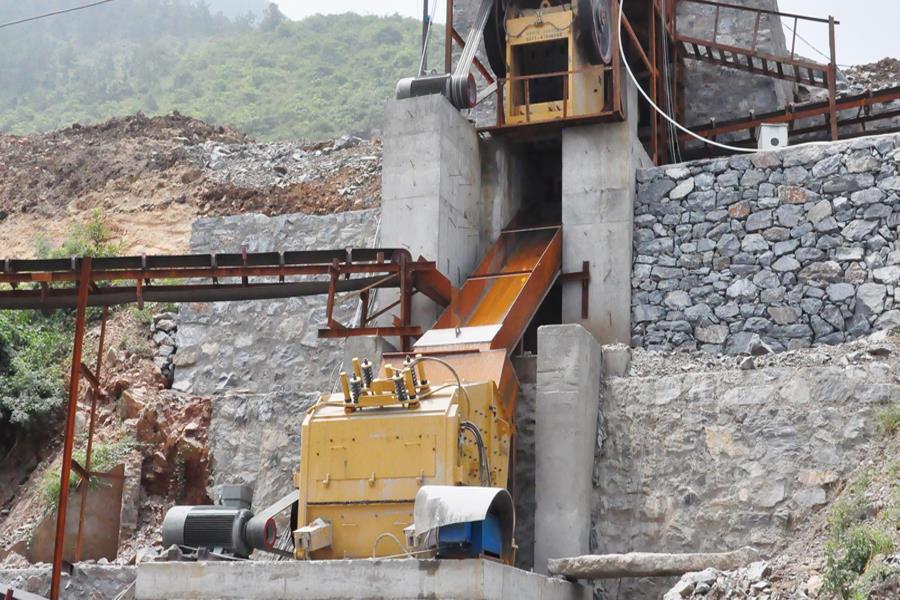
Labor cost per ton of jaw crusher for basalt 95 tph in Philippines
-
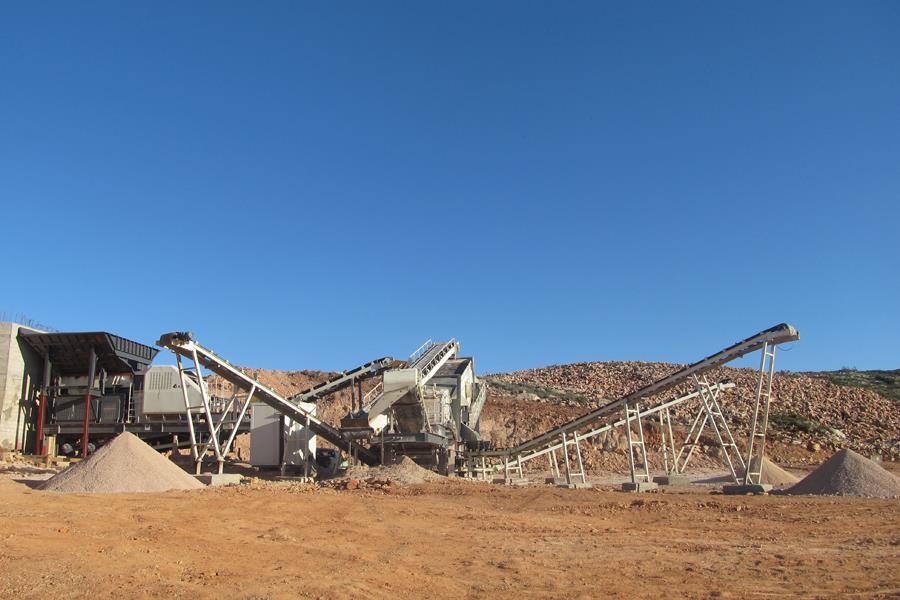
Automation level comparison of cone crushers for copper ore 160 tph in Zambia
-
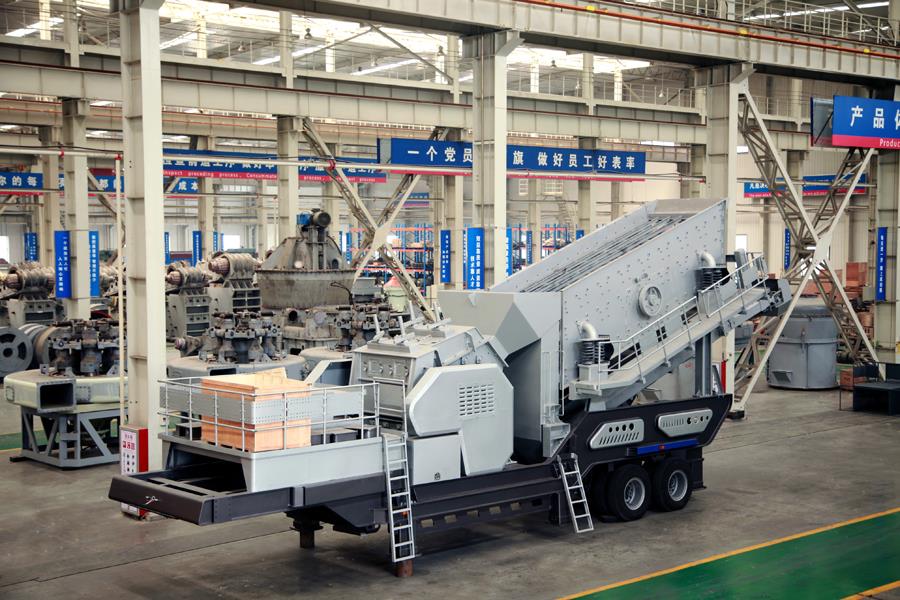
Remote monitoring case study of impact crusher for construction waste 75 tph
-
After Sales Service Network of Jaw Crusher for Gold Ore 110 TPH in Ghana
-
Operator training guide for cone crusher for manganese ore 135 tph in South Africa



