
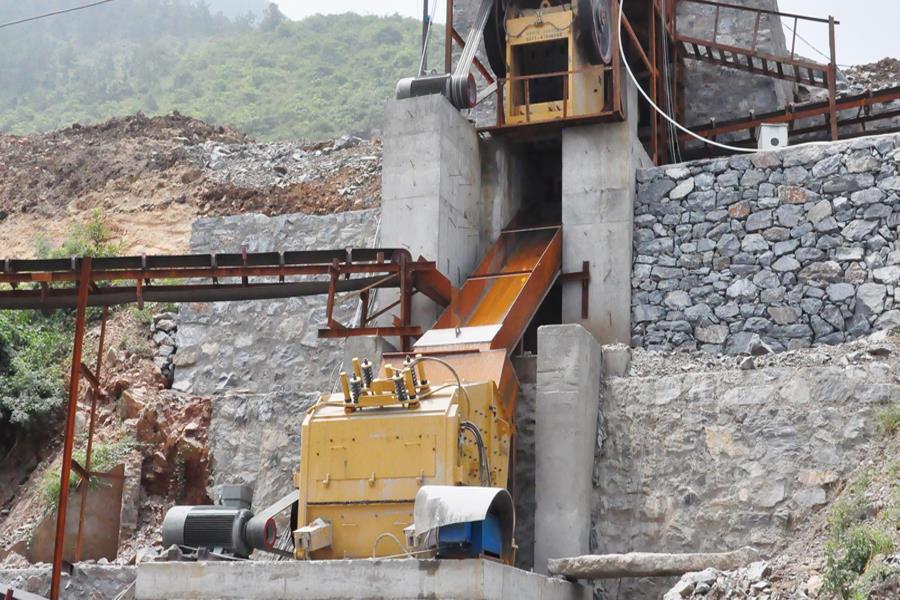
Labor cost per ton of jaw crusher for basalt 95 tph in Philippines
Why understanding labor cost per ton of jaw crusher for basalt 95 tph in Philippines is essential for your quarry
The Philippines' construction sector continues to expand, driven by infrastructure projects and urban development across the archipelago. Basalt, a durable volcanic rock abundant in regions such as Pampanga, Bulacan, and Mindanao, is a preferred material for road base, concrete aggregates, and asphalt applications. For quarry operators, understanding the full cost structure of crushing operations is critical for profitability. Among the various cost components, labor cost per ton of jaw crusher for basalt 95 tph in Philippines represents a significant and often underestimated factor. The Philippine Statistics Authority reports that the mining and quarrying sector recorded total expenses in the billions of pesos in recent years, with average annual compensation per employee in the sector reaching a notable level. For a 95 TPH basalt operation, labor costs must be carefully calculated to ensure competitive pricing and sustainable margins. At OCP Mechanical Company, with over 40 years of manufacturing expertise, we provide factory-direct crushing solutions and comprehensive cost analysis to help Filipino operators optimise their operations.
Breaking down the labor cost per ton of jaw crusher for basalt 95 tph
Calculating the labor cost per ton of jaw crusher for basalt 95 tph in Philippines requires a systematic approach. The total labor cost includes wages for crusher operators, maintenance personnel, loader operators, and supervisory staff. Based on industry data, a crushing machine operator in the Philippines earns an average annual salary ranging from PHP 191,655 to PHP 438,544, with most operators falling in the PHP 191,655 to PHP 403,392 range. When you add benefits such as Social Security System contributions, PhilHealth, Pag-IBIG, and 13th-month pay, the total compensation package typically increases by 15-20 per cent. For a typical shift with two operators, one maintenance technician, and one supervisor, the daily labor cost can range from PHP 4,000 to PHP 6,500. Over a 24-day working month, the monthly labor cost amounts to PHP 96,000-156,000. At 95 TPH, operating 8 hours per day, the monthly production is approximately 18,240 tonnes. Dividing the monthly labor cost by the monthly production gives a labor cost per ton of jaw crusher for basalt 95 tph in Philippines of roughly PHP 5.3 to PHP 8.6 per tonne. This is a significant component of the overall operating cost and must be included in any accurate cost projection.
Factors that influence labor costs in basalt crushing operations
Several factors affect the labor cost per ton of jaw crusher for basalt 95 tph in Philippines. The first is the level of automation of the crusher. A fully automated jaw crusher with remote monitoring and control requires fewer operators, reducing labor costs. Conversely, older or manual crushers require more hands-on supervision, increasing the labor cost per tonne. The second factor is the skill level of the workforce. Skilled operators who can identify and resolve issues quickly reduce downtime, effectively lowering the labor cost per tonne. The third factor is the wage rates in the specific region; operations in Metro Manila or other urban areas typically have higher wage rates than those in rural provinces. The fourth factor is the shift structure – single-shift operations have lower total labor costs but higher cost per tonne due to reduced throughput, while multi-shift operations spread the labor cost over more tonnes, reducing the cost per tonne. Finally, maintenance labor is a significant component: regular maintenance tasks such as jaw plate changes, lubrication, and inspections require dedicated technician time. These factors must all be considered when evaluating labor cost per ton of jaw crusher for basalt 95 tph in Philippines.
How automation reduces labor cost per ton
One of the most effective ways to reduce the labor cost per ton of jaw crusher for basalt 95 tph in Philippines is through automation. Modern jaw crushers are equipped with hydraulic adjustment systems, automatic lubrication, and advanced control panels that allow a single operator to monitor and manage the entire crushing process. This reduces the need for manual intervention and allows operators to manage multiple machines simultaneously. Our Type J jaw crusher features a hydraulic CSS adjustment system and a user-friendly control interface that simplifies operation and reduces the skill level required. All product specifications are continuously updated; for the latest parameters, please consult our online customer service. By implementing automation, operators can reduce direct labor costs by 20-30 per cent, significantly improving the cost per tonne. In the Philippine context, where labor is generally more affordable than in developed nations, automation still offers a strong return on investment through improved consistency and reduced downtime.
Comparing labor cost per ton to other operating costs
When analyzing the labor cost per ton of jaw crusher for basalt 95 tph in Philippines, it is important to put it in perspective with other operating costs. For a typical basalt crushing operation, the major cost components are: energy consumption (typically PHP 15-25 per tonne), wear parts (PHP 10-20 per tonne), maintenance and repairs (PHP 5-10 per tonne), and labor (PHP 5-9 per tonne). Labor typically accounts for 10-15 per cent of total operating costs. While it is not the largest component, it is highly controllable through staffing decisions and automation. Reducing labor cost per tonne by just PHP 1 can add PHP 18,000 to monthly profitability for a 95 TPH operation running 8 hours per day. Over a year, that is a significant amount. Therefore, a careful assessment of labor cost per ton of jaw crusher for basalt 95 tph in Philippines should be part of any feasibility study or operational review.
Philippine labor regulations and their impact on cost
The Philippines has specific labor regulations that affect the cost of employing workers in the mining and quarrying sector. The Department of Labor and Employment sets minimum wage rates, which vary by region. For example, the minimum daily wage in the National Capital Region is higher than in the provinces. In addition to wages, employers must contribute to the Social Security System, PhilHealth, and Pag-IBIG. These mandatory contributions add 8-12 per cent to the base wage. Overtime pay, holiday pay, and 13th-month pay are additional costs that must be budgeted. Employers in the mining sector are also required to provide Personal Protective Equipment and safety training, which add to the indirect labor cost. When calculating the labor cost per ton of jaw crusher for basalt 95 tph in Philippines, these statutory benefits and mandatory costs must be included to arrive at an accurate figure. Many operators underestimate these costs, leading to inaccurate cost projections. We recommend working with a local HR consultant or using the Department of Labor and Employment's guidelines to calculate the total cost per employee accurately.
Sample parameter table for Type J jaw crusher (For reference only)
The table below provides indicative specifications for our Type J jaw crusher, suitable for 95 TPH basalt applications. Actual values depend on feed characteristics and product requirements; please request the latest data from our customer service, as all parameters are continuously updated.
| Parameter | Value (approximate) |
|---|---|
| Model | Type J |
| Capacity (basalt) | 90-105 TPH |
| Feed opening | 36” x 48” (900 x 1,200 mm) |
| CSS range | 3-8 in (75-200 mm) |
| Motor power | 150 HP (112 kW) |
| Automation level | Hydraulic adjustment, optional PLC |
| Weight (approx.) | 52,000 lbs (23,600 kg) |
This table is for illustrative purposes only. For precise engineering data and process guarantees, please consult our technical team with your specific basalt sample.
Strategies to reduce labor cost per ton in your basalt operation
There are several practical strategies to reduce the labor cost per ton of jaw crusher for basalt 95 tph in Philippines. First, invest in operator training – well-trained operators can run the crusher more efficiently, reducing downtime and increasing throughput, which spreads labor costs over more tonnes. Second, implement a preventive maintenance program to reduce unplanned breakdowns that require emergency repairs and overtime labor. Third, consider cross-training your staff so that maintenance and operational tasks can be shared, reducing the need for additional specialized personnel. Fourth, invest in automation and remote monitoring to allow a single operator to manage multiple machines. Fifth, optimize shift scheduling to match production demand, avoiding overstaffing during low-demand periods. By implementing these strategies, you can reduce your labor cost per ton of jaw crusher for basalt 95 tph in Philippines by 15-25 per cent, improving your overall profitability.
Why OCP Mechanical is your trusted partner for crushing solutions in the Philippines
With over 40 years of manufacturing experience, OCP Mechanical offers significant advantages for Filipino quarry operators. We are a factory-direct supplier, meaning you avoid the markups charged by dealers and importers. Our Type J jaw crusher is built with high-quality components and is designed for easy maintenance, reducing downtime and labor costs. We provide comprehensive after-sales support, including spare parts availability, technical assistance, and on-site training. Our logistics team has extensive experience shipping to the Philippines, ensuring timely delivery of equipment and parts. When you need to calculate the labor cost per ton of jaw crusher for basalt 95 tph in Philippines, we can provide detailed cost analysis and recommendations to help you optimize your operation.
Conclusion – Understand your labor costs and improve your profitability
Labor costs are a significant component of the total operating cost for any basalt crushing operation in the Philippines. By carefully analyzing the labor cost per ton of jaw crusher for basalt 95 tph in Philippines and implementing strategies to reduce it, you can improve your margins and remain competitive in a growing market. OCP Mechanical offers the equipment, expertise, and support you need to succeed. Our online customer service team is available 24/7 to discuss your specific requirements and provide a detailed cost analysis and quotation. Click the chat button now – let us help you optimize your crushing operation and achieve greater profitability.
-
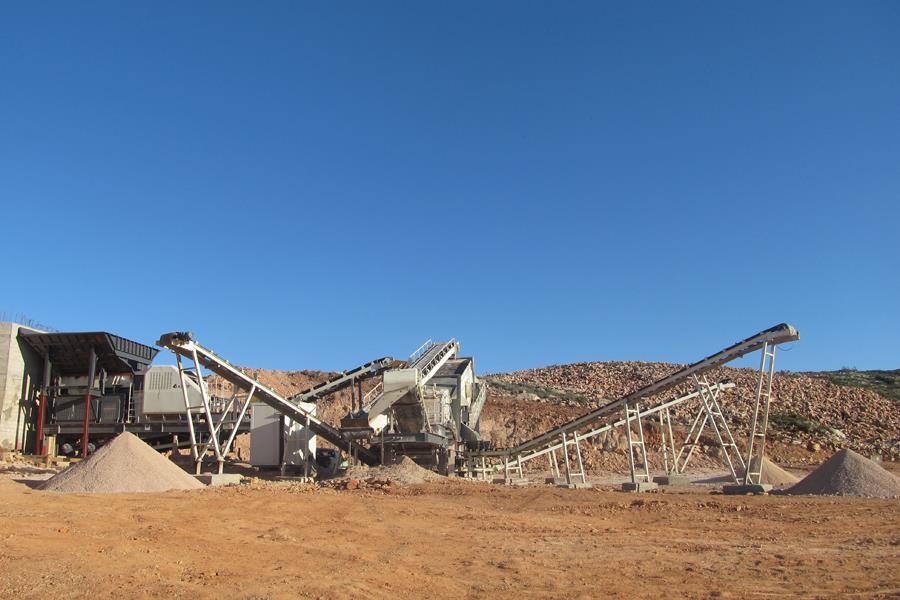
Automation level comparison of cone crushers for copper ore 160 tph in Zambia
-
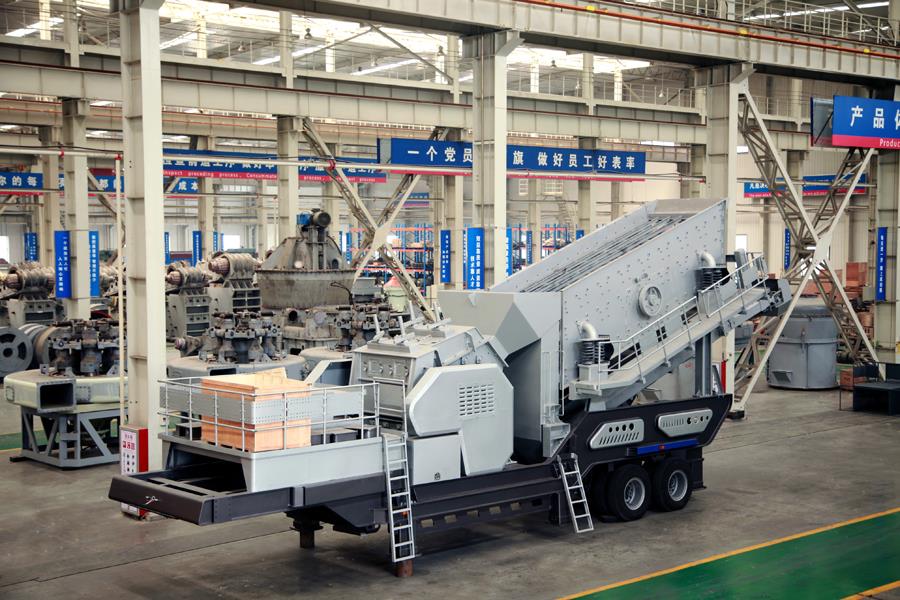
Remote monitoring case study of impact crusher for construction waste 75 tph
-
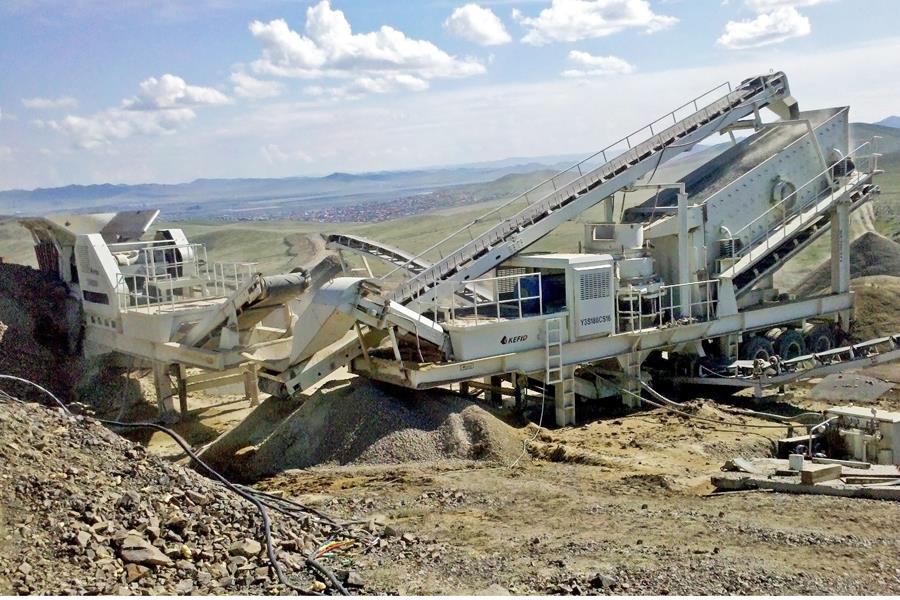
After Sales Service Network of Jaw Crusher for Gold Ore 110 TPH in Ghana
-
Operator training guide for cone crusher for manganese ore 135 tph in South Africa
-
Payback period of sand washing plant 50 tph for manufactured sand in Vietnam



