Crusher Plant Operator Training Checklist
The Foundation of Safe and Efficient Operations
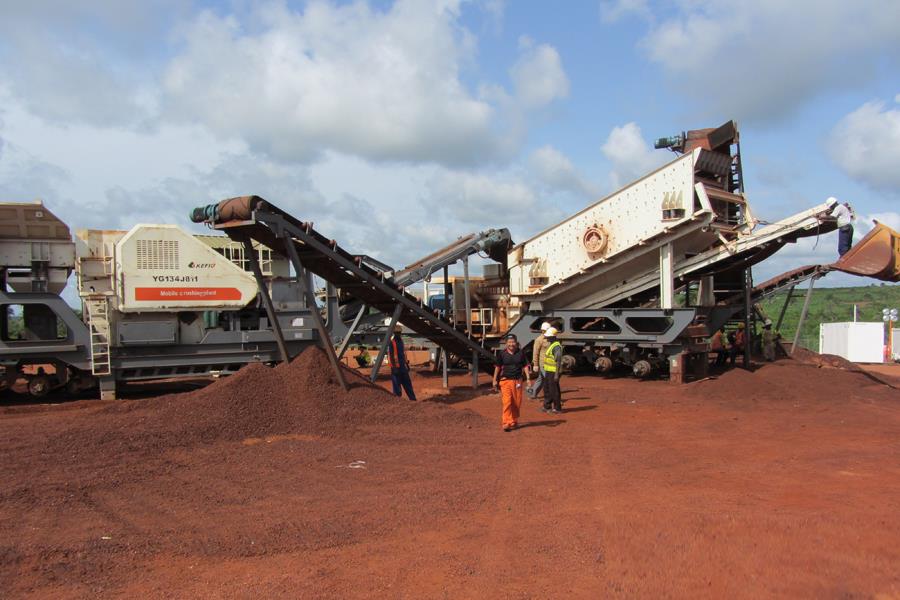
A well-trained operator is the single most important factor in achieving consistent crusher plant performance. Even the most advanced equipment cannot deliver its full potential without skilled personnel who understand proper startup procedures, feed management, setting adjustments, and emergency responses. A comprehensive crusher plant operator training checklist ensures that every operator, regardless of experience level, possesses the knowledge and skills to run the plant safely, efficiently, and reliably. For global operations processing diverse materials—from hard rock to recycled concrete—standardised training reduces downtime, extends equipment life, and creates a safer working environment. This guide provides a structured training framework covering all essential competencies.
Why Standardised Training Matters
Without a formal training program, operators learn from colleagues, often passing on outdated practices or shortcuts. Standardised training delivers measurable benefits.
Consistent performance – all operators follow the same procedures.
Fewer errors – structured training reduces mistakes that cause downtime or damage.
Faster onboarding – new hires become productive more quickly.
Improved safety – properly trained operators recognise hazards and respond correctly.
Building your training program around a structured crusher plant operator training checklist creates accountability and ensures no critical skill is overlooked.
Pre-Operational Knowledge Requirements
Before an operator starts the plant, they must understand the basics of the equipment and the plant layout.
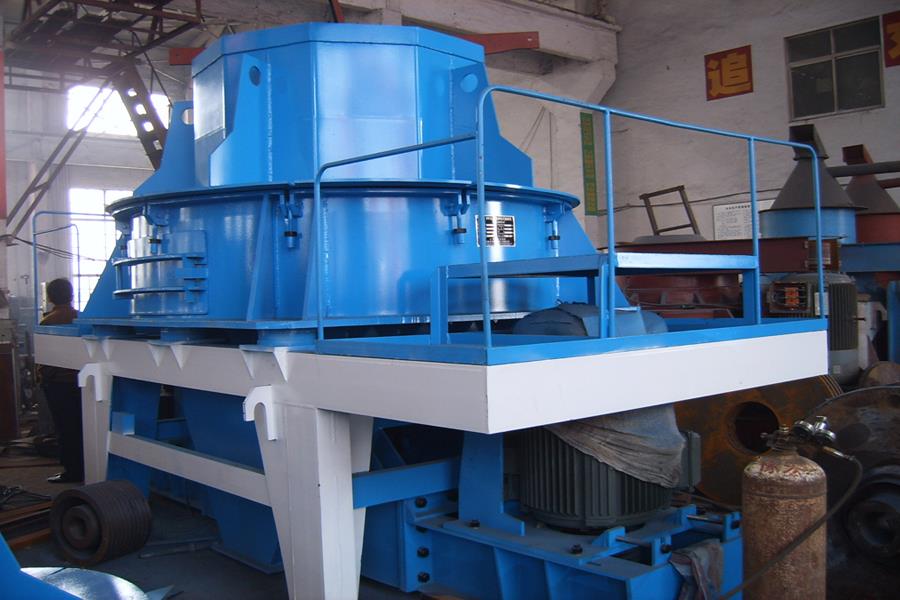
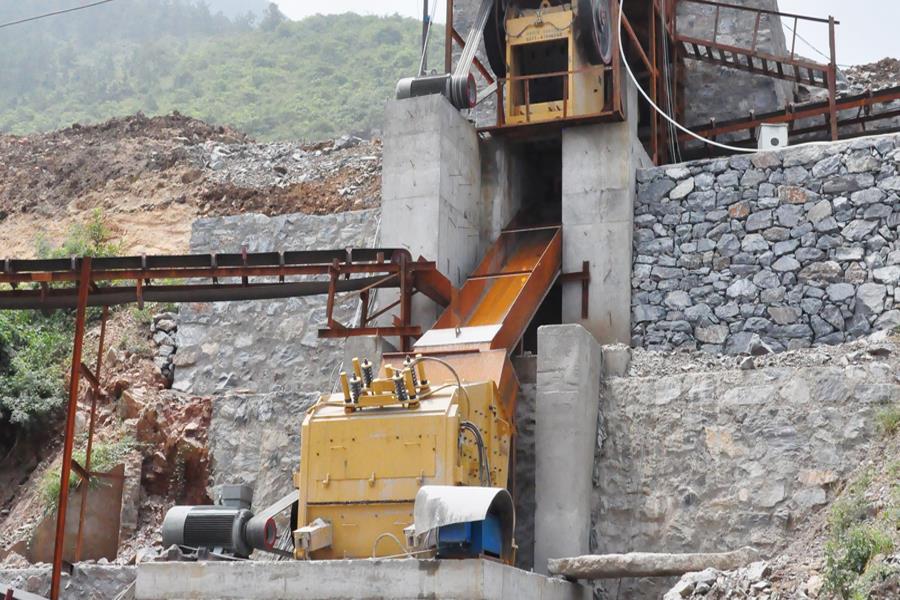
Crusher types and functions – jaw, cone, impact, and VSI; their roles in the circuit.
Flow sheet understanding – material path from feeder to final product stockpile.
Control system navigation – touchscreen or panel interface; basic navigation and alarm interpretation.
Lockout/tagout procedures – isolation points for each piece of equipment.
Many operators benefit from a plant walkthrough with the training supervisor. Hands-on familiarisation reinforces classroom learning and builds confidence.
Startup and Shutdown Procedures
Correct startup and shutdown sequences prevent equipment damage and ensure safety.
Startup checklist items:
Verify all guards are in place.
Check oil levels in all lubrication systems.
Start dust collection and conveyor systems first.
Start crushers in sequence (cone or impact crusher should not start under load).
Gradually increase feed rate to target.
Shutdown checklist items:
Stop feed before stopping the crusher.
Run the crusher for 2-3 minutes to clear chamber.
Follow the correct order for stopping conveyors and ancillary equipment.
Documenting these sequences in your crusher plant operator training checklist ensures consistency across all shifts.
Feed Control and Material Management
Feed management is perhaps the most critical operator skill. Proper feed control protects the crusher and maximises throughput.
Maintain consistent feed rate – avoid surges that overload the crusher.
Control feed size – ensure no oversized material enters the crusher.
Remove tramp metal – use magnetic separators and metal detectors.
Monitor moisture content – adjust feed rate or crusher settings accordingly.
Operators should be trained to observe crusher power draw and adjust feed accordingly. A steady power draw near the optimal range indicates good feed control.
Crusher Setting and Product Size Control
Adjusting crusher settings to achieve product specifications is a core operator skill that directly affects plant profitability.
Closed-side setting (CSS) – understand how to measure and adjust CSS on jaw and cone crushers.
Apron gap adjustment – for impact crushers, adjust aprons to control product size.
Rotor speed – for VSI crushers, understand speed selection for different products.
Sampling and screen analysis – how to take representative samples and interpret results.
Training should include both theoretical understanding and practical hands-on adjustment exercises using actual feed material.
Lubrication and Hydraulic System Monitoring
Many crusher failures trace to lubrication or hydraulic issues. Operators must recognise normal system status and warning signs.
Oil temperature – normal operating range and alarm limits.
Oil pressure – expected pressures and low-pressure alarm response.
Filter condition – monitor differential pressure and change intervals.
Hydraulic oil level and condition – visual checks and sampling.
Including these items in your crusher plant operator training checklist builds operator awareness that prevents expensive bearing and gear failures.
Vibration and Noise Monitoring
Unusual vibration or noise often provides early warning of developing problems. Operators should be trained to notice and report changes.
Baseline awareness – what normal operation sounds and feels like.
Vibration monitoring – use portable meters or fixed sensors; understand trip levels.
Alarm response – know the correct actions when vibration alarms activate.
Many plants benefit from audio or video recordings of normal operation for reference. This can be a powerful training aid.
Safety and Emergency Procedures
Operator safety training is non-negotiable. Regular refresher training reinforces critical knowledge.
Personal protective equipment – required PPE for each area of the plant.
Emergency stops – location and operation of all E-stops.
Fire suppression systems – location, operation, and maintenance of extinguishers.
First aid and confined space – basic first aid and awareness of confined space hazards.
Rescue procedures – what to do if a person is injured or trapped.
This section of your crusher plant operator training checklist should be reviewed frequently, with drills conducted on a regular schedule.
Basic Maintenance Awareness
Operators are often the first to detect developing problems. Training should cover basic inspection and reporting.
Liner wear inspection – recognise wear patterns and measure remaining thickness.
Belt condition – inspect for cuts, wear, and proper tension.
Visual lubrication checks – identify leaks and lubricate bearings.
Housekeeping – maintain clean work areas to prevent hazards.
Clear reporting procedures ensure that maintenance teams receive timely and accurate information.
Record Keeping and Shift Reporting
Good documentation supports continuous improvement and troubleshooting.
Shift log entries – record production, operating hours, and notable events.
Inspection checklists – complete pre-start and post-shift checklists.
Maintenance requests – use standard forms for reporting issues.
Sample records – document screen analysis results and product quality.
Training should include examples of proper record keeping and explain why accurate data matters.
When to Retrain and Refresh
Initial training is not sufficient. A program for ongoing training ensures skills remain current.
Annual refresher courses – cover changes in procedures or equipment.
After equipment upgrades – provide specific training on new features.
After incidents – review procedures to prevent recurrence.
Cross-training – prepare operators to work on multiple plant sections.
A culture of continuous improvement, supported by routine refresher training, distinguishes high-performing plants.
Partnering with an Experienced Manufacturer
With over 40 years of manufacturing expertise, OCP Mechanical Company supplies jaw crushers, cone crushers, impact crushers, screens, feeders, and complete processing plants to customers worldwide. We offer comprehensive training materials, including customised crusher plant operator training checklists that align with our equipment designs. As a direct manufacturer, we provide transparent pricing, application engineering support, and responsive after-sales service. We can assist in developing your training program, providing technical documentation and on-site or remote training sessions to ensure your operators are fully prepared.
(Technical data and pricing are for reference only—latest information is available from our customer service team.)
Practical Next Steps for Your Operation
To improve your operator training program, take these actions:
Review your current training materials – identify gaps.
Develop or refine your checklist using the items above.
Schedule a training program – initial and refresher courses.
Document operator competency – track progress and certify skills.
Update the checklist as equipment or processes change.
Investing in a structured crusher plant operator training checklist delivers a rapid return through fewer breakdowns, higher productivity, and improved safety.
Get Expert Support – 24/7
We invite you to take advantage of our free consultation service. Our application engineers are available 24 hours a day to discuss your training needs, review your current program, and provide recommendations for improvement.
Click the live chat button on our website to connect instantly with a knowledgeable representative, or submit your inquiry for a detailed response within 24 hours. We offer free training material assessment, checklist development support, and quotation services. Let us help you build a skilled, confident, and safe operator team that maximises your crusher plant's potential.
Technical specifications, performance data, and pricing are for reference only—latest information is available from our customer service team. OCP Mechanical Company continuously improves its products; specifications may change without notice. Actual outcomes depend on operating conditions, feed characteristics, and maintenance practices. Please confirm all details with our engineers before finalising any order.