
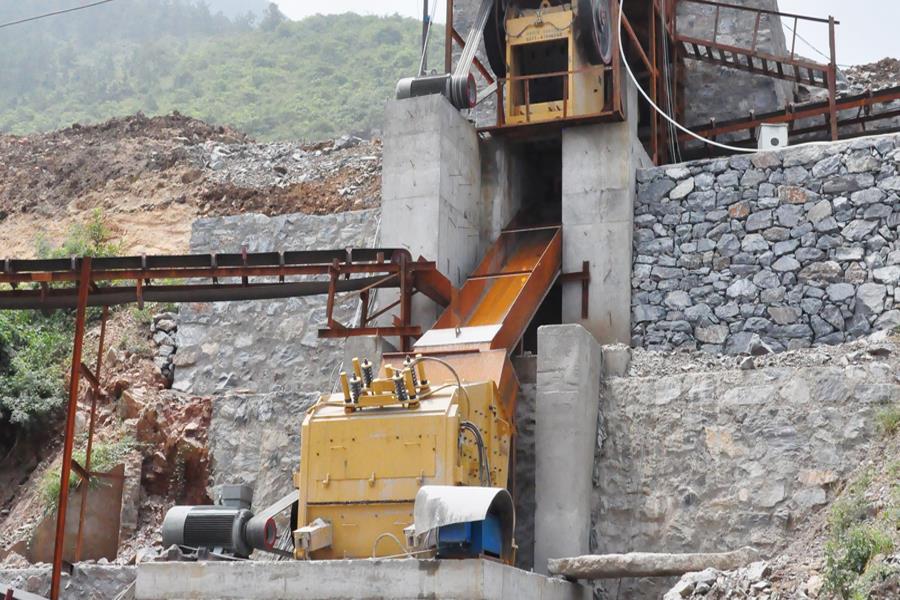
Mobile Jaw Crusher Track Tension Adjustment Guide
Why Track Tension Matters in Philippine Operations
Mobile jaw crushers are the workhorses of Philippine quarrying and construction projects, navigating challenging terrain from the mountains of Luzon to the islands of Visayas and Mindanao. The track system absorbs ground irregularities, supports the machine's weight, and provides the mobility that makes these crushers so valuable. Proper mobile jaw crusher track tension adjustment is not merely a maintenance task—it directly affects track life, machine stability, and operational safety. Over-tensioned tracks accelerate wear on rollers and sprockets; under-tensioned tracks can derail or cause excessive vibration during crushing. For Philippine operators facing wet season mud and dry season dust, mastering this adjustment ensures reliable mobility and reduced downtime.
Understanding Track Tension Fundamentals
The track tension system uses hydraulic cylinders or grease-filled tensioners to maintain the correct tightness on the track chain. This tension keeps the track properly engaged with the drive sprocket and idler, ensuring smooth movement.
Key components involved:
Track tension cylinder – applies force to the idler wheel, tightening the track.
Hydraulic pump or grease gun – provides the pressure to extend the cylinder.
Pressure gauge – indicates the current tension level.
Track adjustment bolts – lock the tensioner in position once set.
Understanding these components is the first step in effective mobile jaw crusher track tension adjustment. For Philippine sites where maintenance resources may be limited, operator knowledge of this system prevents minor issues from becoming major failures.
When to Check Track Tension
Regular inspection prevents track problems before they cause costly downtime. Establish a routine check schedule.
Recommended inspection triggers:
Daily pre-start inspection – visual check for sagging or excessive tightness.
After moving on rough terrain – impacts can affect tension.
After track removal or repair – re-tension after reassembly.
When track wear is observed – adjust to compensate for elongation.
At scheduled maintenance intervals – typically every 50 operating hours.
Philippine operations dealing with varied ground conditions—from rocky quarry floors to muddy construction sites—should prioritise track tension checks as part of their daily routine. A simple visual check takes minutes but prevents hours of unplanned repairs.
Step-by-Step Adjustment Procedure
Performing mobile jaw crusher track tension adjustment correctly requires following a systematic process. Always refer to your specific machine's manual for exact values.
Standard adjustment steps:
Park the crusher on level ground and apply the parking brake.
Clean the track area – remove mud, stones, or debris that could affect measurement.
Measure current sag – measure the deflection at the centre of the track between the idler and sprocket.
Access the tensioning system – locate the grease fitting or hydraulic valve.
Add grease or pressurise – gradually increase tension while monitoring sag.
Check the recommended sag dimension – typically 10-20mm for most mobile crushers.
Lock the adjustment – tighten the lock nut or close the valve.
Run the tracks forward and backward – recheck tension after a short movement.
Document the pressure reading and sag measurement after adjustment. This record helps identify trends, such as gradual elongation that indicates track wear.
Using the Correct Pressure and Sag Values
Each machine model has specific recommended tension settings. However, general guidelines apply across most mobile jaw crushers.
Typical values:
Hydraulic pressure – 100-150 bar, depending on machine size.
Track sag – 10-20mm at the centre between rollers.
Grease volume – add grease slowly; over-tensioning can damage seals.
For Philippine operations running in wet conditions, consider setting tension slightly lower to allow for mud accumulation, which effectively increases track stiffness. In dry, dusty conditions, maintain recommended values. (All pressure and sag values are estimates—always consult your equipment manual or supplier for exact specifications.)
Common Mistakes to Avoid
Even experienced operators can make errors during track tension adjustment. Avoid these pitfalls.
Over-tensioning – accelerates wear on sprockets, rollers, and track links; can break track chains.
Under-tensioning – allows track derailment, especially when turning on soft ground.
Failing to clean – debris trapped between track and roller affects tension measurement.
Ignoring track wear – worn tracks require different tension settings; replace when worn beyond limits.
Not rechecking after movement – tension changes after initial movement; always recheck.
Training your Philippine crew on these common errors reduces the risk of damage. Simple posters or checklists at the service point reinforce correct procedure.
Effects of Incorrect Tension on Performance
Incorrect track tension produces clear symptoms that operators should recognise early.
Over-tensioned symptoms:
Increased track and roller wear.
Higher fuel consumption due to rolling resistance.
Excessive vibration during travel.
Under-tensioned symptoms:
Track sag visible between rollers.
Track derailment during turning.
Snapping or popping sounds from the track.
Recognising these signs quickly allows correction before component damage occurs.
Adapting to Philippine Environmental Conditions
The Philippine climate and terrain present unique challenges for track systems. Adjust your maintenance accordingly.
Heavy rain – mud and water ingress accelerate wear; clean tracks thoroughly after operating in wet conditions.
High humidity – promotes corrosion on track pins and bushings; apply appropriate lubricants.
Rough terrain – inspect more frequently when operating on rocky or uneven ground.
Remote locations – maintain spare track components and adjustment tools on site.
Many Philippine operations benefit from scheduling track tension checks during regular refuelling stops, integrating the task into the daily routine to ensure consistent maintenance.
Safety Precautions During Adjustment
Track tension adjustment involves stored energy and heavy components. Follow these safety measures.
Wear appropriate PPE – gloves, safety glasses, and steel-toe boots.
Use proper tools – never use makeshift tools for pressurising or locking.
Relieve pressure before servicing – when disconnecting lines, release stored pressure.
Keep personnel clear – maintain a safe distance when tracks are moving.
Safety should never be compromised. Ensure all crew members understand the risks and correct procedures.
Partnering with a Reliable Manufacturer
With over 40 years of manufacturing expertise, OCP Mechanical Company supplies mobile jaw crushers, track systems, and complete processing plants to customers worldwide, including many operations across the Philippines. We offer comprehensive maintenance guides, including specific mobile jaw crusher track tension adjustment procedures for our equipment. As a direct manufacturer, we provide transparent pricing, application engineering support, and responsive after-sales service. Our team understands Philippine conditions—tropical climates, varied terrain, and the importance of reliable local support—and can recommend the best track maintenance practices for your specific environment.
(Technical data and pricing are for reference only—latest information is available from our customer service team.)
Practical Next Steps for Your Operation
To optimise your track maintenance program, take these actions:
Review your machine manual – confirm recommended tension values.
Check current tension – measure sag and compare to specifications.
Adjust as needed – follow the step-by-step procedure.
Document all adjustments – build a maintenance history.
Schedule regular inspections – integrate checks into your daily routine.
A systematic approach to mobile jaw crusher track tension adjustment extends track life and ensures reliable mobility across all Philippine job sites.
Get Expert Support – 24/7
We invite you to take advantage of our free consultation service. Our application engineers are available 24 hours a day to discuss your track maintenance needs, review your current practices, and provide recommendations for improvement.
Click the live chat button on our website to connect instantly with a knowledgeable representative, or submit your inquiry for a detailed response within 24 hours. We offer free maintenance audits, adjustment guidance, and quotation services. Let us help you keep your mobile jaw crusher moving reliably through every job.
Technical specifications, performance data, and pricing are for reference only—latest information is available from our customer service team. OCP Mechanical Company continuously improves its products; specifications may change without notice. Actual outcomes depend on operating conditions, terrain, and maintenance practices. Please confirm all details with our engineers before finalising any order.
-
-
-
-
Jaw Crusher Discharge Conveyor Chute Design to Prevent Blockage
-
How to Integrate Metal Detector Before Cone Crusher for Copper