How to Reduce Downtime During Crusher Liner Change
The Hidden Cost of Liner Changeovers
Every hour a crusher sits idle for liner replacement is an hour of lost production, lost revenue, and wasted labour. For global operations processing hard rock, recycled materials, or industrial minerals, liner changes are unavoidable—but the downtime they cause is not. Learning how to reduce downtime during crusher liner change transforms a disruptive maintenance event into a predictable, efficient procedure that minimises production loss. A well-organised liner change can be completed in hours rather than shifts, saving significant operational costs and improving overall plant availability. This guide presents proven strategies to streamline your liner replacement process, from planning and tooling to team coordination and safety.
Pre-Planning and Scheduling
Proper planning is the single most effective way to reduce downtime. Reactive liner changes always take longer.
Track liner wear – measure remaining thickness regularly to forecast replacement dates.
Schedule changes during off-peak periods – plan for weekends, shift changes, or low-demand seasons.
Pre-stage all materials – ensure liners, fasteners, shims, and tools are ready before stopping the crusher.
Communicate the plan – brief the entire maintenance team on roles, sequence, and estimated timeline.
In many operations, simply shifting liner changes to scheduled maintenance windows reduces unplanned downtime by 30-40%. Investing in wear monitoring systems pays for itself through better planning and fewer urgent changeouts, directly contributing to how to reduce downtime during crusher liner change objectives.
Tooling and Equipment Preparation
Having the right tools ready prevents delays during the change. Staging the proper equipment in advance is essential.
Impact wrench – correctly sized sockets and high-capacity tooling.
Lifting equipment – slings, chains, spreader bars, and overhead crane or excavator.
Shim packs and gauges – properly sized and clearly marked.
Grout or backing compound – pre-mixed and ready to apply.
Personal protective equipment – ensure all team members have the correct PPE ready.
Regular tool audits prevent the frustration of locating missing sockets or faulty equipment during critical tasks. A well-prepared tool cart or container dedicated to liner changes, often termed a "liner change kit," dramatically streamlines the process and ensures consistency across shifts.
Standardised Procedure and Documentation
Written procedures remove guesswork. Every team member should follow the same step-by-step sequence.
Develop a detailed checklist – list each task in order.
Include torque specifications – clearly state values for each fastener type.
Document sequence for removal and installation – avoid rework.
Photograph or diagram – show correct orientation and shim placement.
Standardised procedures reduce the risk of mistakes, speed up training for new staff, and ensure consistency across different shifts and crews. A clear, posted checklist is a powerful element of how to reduce downtime during crusher liner change strategies, as it reduces confusion and rework.
Team Coordination and Roles
Assigning clear roles prevents confusion and wasted motion.
Designate a team leader – responsible for overall coordination and safety.
Assign specific tasks – who removes fasteners, who operates the crane, who cleans surfaces.
Prepare for handover – if the change spans multiple shifts, plan a brief overlap for communication.
Conduct a pre-start meeting – review the plan and any special considerations.
Having a dedicated maintenance team trained specifically in liner changes dramatically reduces time compared to using general maintenance crews. Cross-train backup staff to ensure coverage during absences. Good coordination is a key factor in how to reduce downtime during crusher liner change success.
Efficient Removal of Worn Liners
Old liners that are seized or heavily work-hardened can be the biggest time sink.
Use appropriate tools – impact wrenches, pneumatic chippers, and hydraulic pullers as needed.
Break the seal – if grout or backing compound is used, a few well-placed blows with a hammer often cracks the bond.
Cut if necessary – for extremely seized liners, controlled oxy-fuel cutting can speed removal (with appropriate fire safety measures).
Lift strategically – use the correct sling points and spreader bars to balance the load.
Removing all worn liners efficiently sets the stage for fast installation. Time saved here directly reduces total downtime for each change.
Surface Preparation and Fitting
The time spent cleaning and preparing surfaces before installing new liners pays back through better fit and extended wear life.
Thorough cleaning – remove all old backing compound, rust, and debris.
Inspect and measure – check for wear or damage on supporting structures.
Apply release agent – if using backing compound, apply a release agent to the crusher frame.
Check shim placement – verify correct thickness and position.
Rushing this step often leads to poor liner seating, which causes premature wear or even failure. Proper preparation supports long-term performance and is integral to how to reduce downtime during crusher liner change because it reduces the likelihood of rework.
Proper Installation and Torquing
Installing new liners correctly ensures they achieve their expected service life.
Position carefully – use lifting aids to align liners accurately.
Apply backing compound – pour evenly, ensuring full coverage without voids.
Install fasteners in sequence – follow the correct cross-pattern for even clamping.
Torque to specification – use a calibrated torque wrench, and re-torque after initial operation.
Skipping the second torque check is a common error. After the crusher runs for a few hours, fasteners often require re-tightening. This step prevents liner movement that could cause uneven wear or damage.
Post-Change Inspection and Start-Up
A structured start-up procedure confirms the installation was successful.
Check all bolts – verify torque after initial warm-up.
Monitor power draw – ensure the crusher is not overloading due to incorrect settings.
Listen for unusual sounds – loose liners often produce distinctive noises.
Monitor product size – verify that gradation meets specifications.
Document the results of the post-change inspection, including power draw and product size. This data helps confirm correct installation and provides a baseline for wear monitoring.
Why OCP Mechanical Company Is Your Reliable Partner
With over 40 years of manufacturing expertise, OCP Mechanical Company supplies jaw crushers, cone crushers, impact crushers, and complete processing plants to customers worldwide. As a direct manufacturer, we provide transparent pricing, application engineering support, and responsive after-sales service. Our liners are precision-manufactured to exacting standards, ensuring fast, accurate fitting during changeovers. We also offer tailored training and maintenance guides that help your team master the process, turning liner changes into well-orchestrated events.
(Technical data and pricing are for reference only—latest information is available from our customer service team.)
Practical Next Steps for Your Operation
To reduce liner change downtime, take these actions:
Audit your current process – time the last liner change and identify bottlenecks.
Create a checklist – formalise the procedure.
Pre-stage tools and parts – dedicate a liner change kit.
Train the team – conduct regular practice sessions.
Review and improve – adjust procedures based on actual experience.
Investing in how to reduce downtime during crusher liner change delivers immediate returns through improved plant availability and lower maintenance costs.
Get Expert Support – 24/7
We invite you to take advantage of our free consultation service. Our application engineers are available 24 hours a day to discuss your liner change procedures, review your processes, and recommend improvements tailored to your operation.
Click the live chat button on our website to connect instantly with a knowledgeable representative, or submit your inquiry for a detailed response within 24 hours. We offer free process audits, tooling recommendations, and quotation services. Let us help you turn liner changes into a competitive advantage.
Technical specifications, performance data, and pricing are for reference only—latest information is available from our customer service team. OCP Mechanical Company continuously improves its products; specifications may change without notice. Actual outcomes depend on operating conditions, feed characteristics, and maintenance practices. Please confirm all details with our engineers before finalising any order.
-
-
-
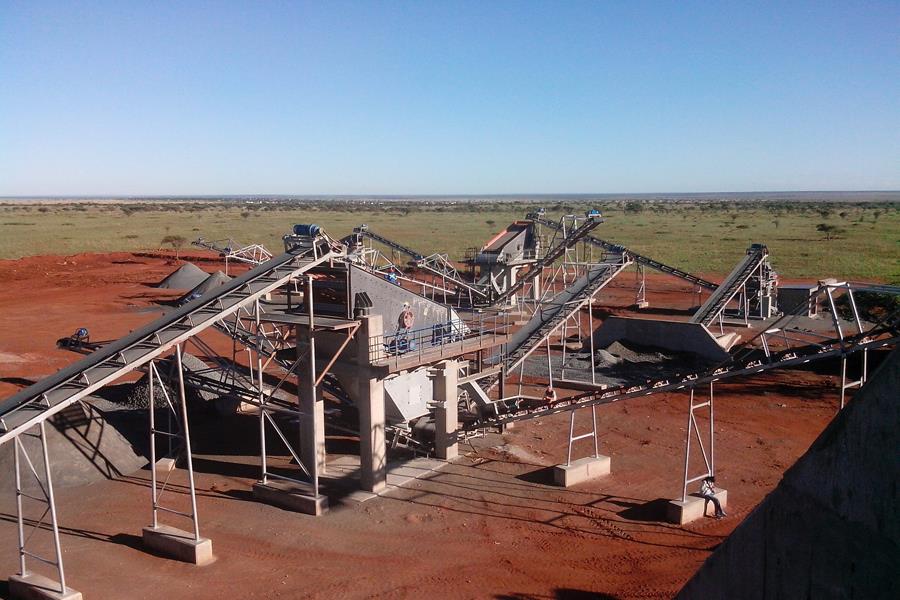
Jaw Crusher Discharge Conveyor Chute Design to Prevent Blockage
-
How to Integrate Metal Detector Before Cone Crusher for Copper
-