
Sand Washing Plant Water Clarification System Design
The Water Challenge in Saudi Arabia
Water is the lifeblood of any sand washing operation, yet in Saudi Arabia, it is also one of the scarcest and most expensive resources. With arid conditions, limited freshwater sources, and increasingly stringent environmental regulations, efficient water management is not merely a cost-saving measure—it is a licence to operate. A well-designed sand washing plant water clarification system enables operators to recycle up to 90% or more of their process water, significantly reducing makeup water requirements and ensuring compliance with discharge standards. For Saudi producers of construction sand, plaster sand, and specialty aggregates, investing in a robust clarification system delivers both environmental responsibility and tangible economic benefits. This guide outlines the key components and design principles for an effective water clarification system tailored to Saudi conditions.
Understanding the Clarification Process
Water clarification removes suspended solids from wash water, allowing clean water to be recycled and solids to be dewatered for disposal or sale. The process typically involves several stages.
Key stages of a typical clarification system:
Settling pond or thickener – where solids settle under gravity, producing a clear overflow.
Flocculant addition – chemicals are added to agglomerate fine particles, accelerating settling.
Sludge collection – settled solids are removed from the thickener underflow.
Dewatering – sludge is further dewatered using filter presses, centrifuges, or drying beds.
Clean water return – clarified water is pumped back to the washing circuit.
For Saudi operations, where evaporation rates are high and water costs are significant, maximising water recovery is paramount. A well-designed sand washing plant water clarification system achieves this through carefully balanced process stages.
Key Design Considerations for Saudi Conditions
Designing a clarification system for Saudi Arabia requires attention to several local factors that influence performance.
Critical considerations:
High evaporation rates – open ponds lose significant water; covered or enclosed systems may be preferred.
High ambient temperatures – affect flocculant performance and biological growth in ponds.
Water quality variability – feed water may have high salinity or hardness, affecting flocculant selection.
Space constraints – some operations may have limited area for large settling ponds.
Regulatory requirements – Saudi environmental standards increasingly limit discharge of turbid water.
Performance data and design parameters are estimates—actual requirements depend on feed characteristics and site conditions. Please consult our technical team for application-specific guidance.
Component 1: Primary Settling Zone
The primary settling zone is the first stage of solids removal, handling the bulk of suspended material.
Design features:
Thickener tank – typically circular or rectangular, designed for continuous operation.
Feed well – distributes incoming slurry evenly to promote settling.
Rake mechanism – slowly rotates to move settled solids toward the underflow discharge.
Overflow weir – collects clarified water for recycling.
For Saudi operations, thickener sizing must account for high feed solids concentrations and the settling characteristics of the specific sand type. A well-sized thickener reduces the load on downstream flocculation stages, improving overall sand washing plant water clarification system efficiency.
Component 2: Flocculant Dosing System
Flocculants are chemical agents that bind fine particles into larger, faster-settling aggregates. Proper dosing is critical for achieving clear overflow and manageable sludge.
Key design aspects:
Make-up system – automatically mixes dry or liquid polymer to the correct concentration.
Dosing pumps – accurately meter flocculant into the feed stream.
Mixing points – provide sufficient turbulence for dispersion without shearing flocs.
Control system – adjusts dosage based on feed rate and turbidity measurements.
Flocculant type and dosage vary with ore characteristics—laboratory or on-site jar testing is strongly recommended to confirm optimal performance. In Saudi's hot climate, temperature-stabilised storage and mixing may be required to maintain polymer effectiveness.
Component 3: Sludge Handling and Dewatering
Settled sludge from the thickener must be removed and dewatered for disposal or, in some cases, further processing.
Common dewatering options:
Filter press – produces relatively dry filter cake; suitable for many applications.
Centrifuge – continuous operation, but higher energy and maintenance costs.
Sludge drying beds – low-cost solution where land and climate allow.
Lagoon storage – simplest but least environmentally preferred.
For Saudi operations, filter presses are widely used due to their reliability and ability to produce a dry cake that can be transported economically.
Component 4: Clean Water Return System
Clarified water from the thickener overflow is returned to the washing circuit, reducing fresh water demand.
System features:
Return pumps – sized to match washing plant water requirements.
Storage tank – provides buffer capacity for variations in flow.
Valve and control system – manages water balance automatically.
In many Saudi operations, the return water system is designed for maximum reuse, with makeup water added only to replace losses from evaporation and sludge moisture. This closed-loop approach is the hallmark of an effective sand washing plant water clarification system.
Evaporation and Makeup Water Management
Given Saudi Arabia's high evaporation rates, minimising water loss is a major design objective.
Strategies to reduce evaporation:
Cover settling ponds – floating covers or shade structures reduce direct sunlight.
Minimise open water surface – use tanks rather than ponds where possible.
Operate at higher solids concentrations – reduces water volume in circuit.
Recycle all possible return water – every drop counts.
Regular monitoring of water balance helps identify losses and opportunities for improvement.
Maintenance and Operational Considerations
Reliable operation requires regular maintenance of all clarification system components.
Routine tasks:
Inspect thickener rake – ensure smooth rotation without binding.
Monitor flocculant performance – check for signs of degradation or incorrect dosing.
Clean pumps and piping – prevent scale and solids build-up.
Calibrate dosing equipment – maintain accurate chemical addition.
For Saudi operations, scheduled maintenance during cooler months or planned shutdowns helps maintain system reliability throughout the year.
Why OCP Mechanical Company Is Your Reliable Partner
With over 40 years of manufacturing expertise, OCP Mechanical Company supplies sand washing plants, thickeners, flocculant systems, and complete processing solutions to customers worldwide, including many operations across Saudi Arabia. As a direct manufacturer, we provide transparent pricing, application engineering support, and responsive after-sales service. Our engineers understand Saudi conditions—high temperatures, water scarcity, and regulatory requirements—and can design a clarification system tailored to your specific sand type and site constraints. We offer customised system designs, from simple settling ponds to fully automated closed-loop circuits.
(Technical data and pricing are for reference only—latest information is available from our customer service team.)
Practical Next Steps for Your Operation
To develop or improve your water clarification system, take these actions:
Characterise your feed water – measure suspended solids, particle size, and water chemistry.
Determine water balance – quantify incoming water, losses, and desired recycle rate.
Select primary clarification method – thickener, pond, or alternative.
Design flocculant system – conduct jar testing to confirm polymer type and dosage.
Plan sludge disposal – identify options for dewatering and disposal.
Consider evaporation control – incorporate covers or tanks to reduce losses.
A systematic approach to sand washing plant water clarification system design ensures reliable operation and regulatory compliance.
Get Expert Support – 24/7
We invite you to take advantage of our free consultation service. Our application engineers are available 24 hours a day to discuss your water clarification needs, review site conditions, and recommend a system tailored to your Saudi operation.
Click the live chat button on our website to connect instantly with a knowledgeable representative, or submit your inquiry for a detailed response within 24 hours. We offer free water balance assessments, system design recommendations, and quotation services. Let us help you maximise water recovery, reduce costs, and meet environmental standards.
Technical specifications, performance data, and pricing are for reference only—latest information is available from our customer service team. OCP Mechanical Company continuously improves its products; specifications may change without notice. Actual outcomes depend on feed characteristics, operating conditions, and maintenance practices. Please confirm all details with our engineers before finalising any order.
-
-
-
How to Select a Jaw Crusher for Lithium Ore 120 TPH in Zimbabwe
-
-
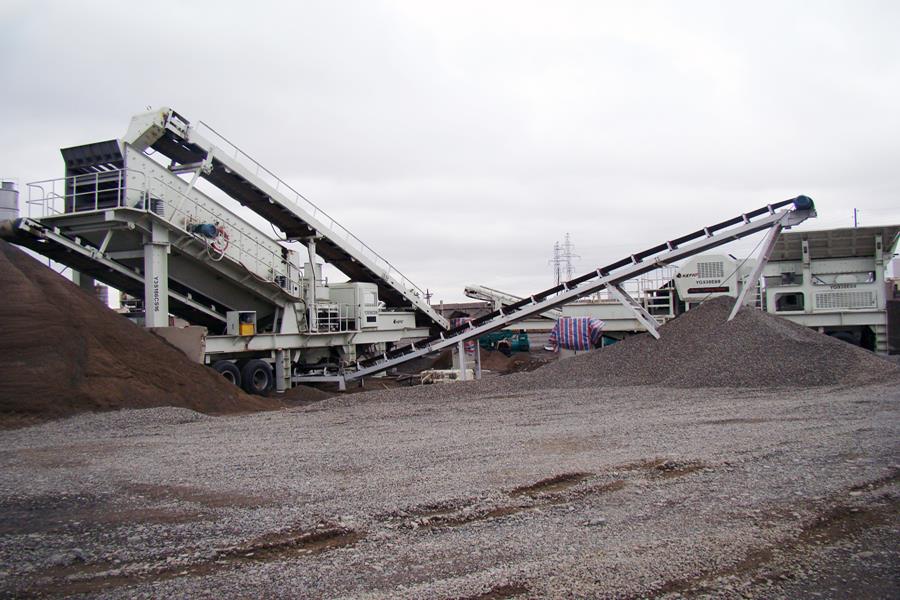
Mobile Crushing Plant 60 TPH for Construction Waste in Nairobi Kenya