
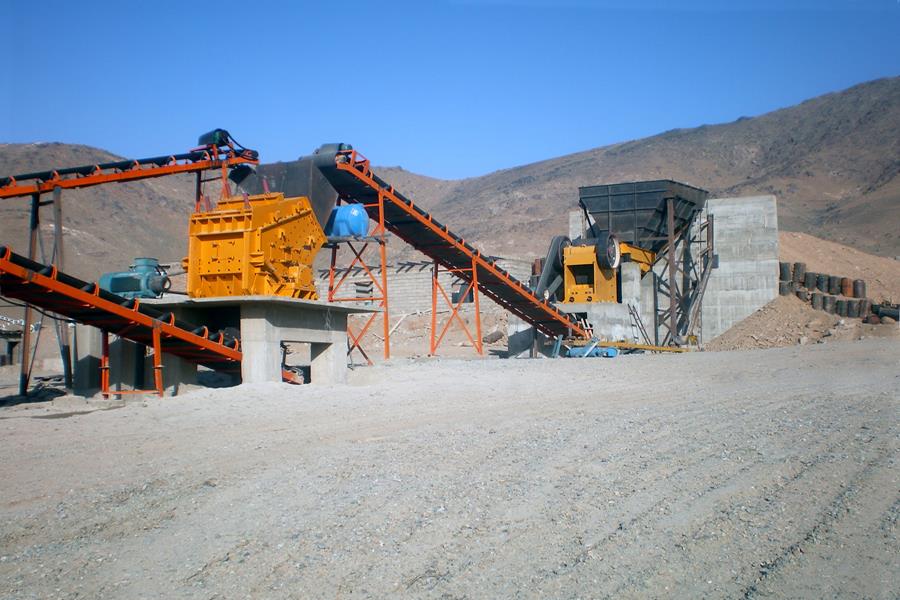
Crusher Plant Noise Enclosure Material Selection
The European Noise Challenge
Europe's stringent environmental regulations and densely populated landscapes make noise management a critical consideration for any crushing operation. From the outskirts of Berlin to the quarries of northern Italy, operators face increasing pressure to limit noise emissions—not only to comply with local ordinances but also to maintain good relationships with neighbouring communities. Effective crusher plant noise enclosure material selection is the cornerstone of any successful noise reduction strategy, directly influencing both environmental compliance and operational flexibility. For European producers processing aggregates, construction waste, or industrial minerals, choosing the right enclosure materials balances acoustic performance with durability, cost, and fire safety. This guide examines the key factors and material options to help you make an informed decision for your specific application.
Understanding the Regulatory Landscape
European noise regulations vary by country but share common principles that influence enclosure design.
Key regulatory drivers:
EU Environmental Noise Directive (END) – sets framework for noise mapping and action planning.
Local permitting requirements – often specify maximum allowable noise levels at site boundaries.
Working time restrictions – many regions limit operating hours based on noise impact.
Neighbourhood complaints – a significant operational risk that can lead to permit restrictions.
In countries like Germany, Switzerland, and the Netherlands, noise limits are particularly stringent, often requiring enclosures that achieve 15-25 dB(A) reduction. Understanding your specific regulatory obligations is the first step in crusher plant noise enclosure material selection, as it defines your target acoustic performance.
Acoustic Performance Fundamentals
The effectiveness of an enclosure depends on two primary acoustic principles: sound absorption and sound transmission loss.
Sound absorption:
Material absorbs sound energy rather than reflecting it.
Reduces reverberation inside the enclosure.
Measured by the noise reduction coefficient (NRC).
Sound transmission loss:
Material blocks sound from passing through.
Critical for external noise reduction.
Measured by sound transmission class (STC) or weighted sound reduction index (Rw).
A well-designed enclosure incorporates both principles: absorptive materials line the interior to reduce internal noise build-up, while dense, mass-loaded materials form the outer barrier to prevent sound escaping. This dual approach is central to effective crusher plant noise enclosure material selection.
Material Options for Enclosure Panels
Several material categories are commonly used for crusher plant enclosures. Each offers different performance characteristics and costs.
Steel panels with acoustic lining:
Outer skin of 1.5-3mm steel sheet provides structural strength and mass.
Inner lining of acoustic foam, mineral wool, or perforated metal with absorbing material.
Excellent transmission loss and durability.
Higher cost but suitable for permanent installations.
Composite panels:
Sandwich construction with a core of sound-absorbing material between two thin skins.
Lightweight and easy to install.
May offer good acoustic performance at lower cost.
Mass-loaded vinyl (MLV) barriers:
Flexible, dense material that blocks sound.
Often used as a curtain or supplement to rigid panels.
Suitable for temporary or mobile applications.
Timber and plywood:
Used in some European applications where aesthetics matter.
Typically combined with acoustic insulation layers.
Lower structural strength and shorter lifespan than steel.
For most European crushing operations, steel panels with acoustic lining represent the optimal balance of performance, durability, and cost. However, the final choice depends on your specific site conditions and budget.
Sound-Absorbing Linings
The internal lining determines how much sound energy is absorbed inside the enclosure, reducing the overall noise level.
Common lining materials:
Mineral wool – fire-resistant, good absorption, widely used.
Acoustic foam – lightweight, easy to install but less fire-resistant.
Perforated metal with backing – durable and cleanable, suitable for dusty environments.
Recycled textile panels – environmentally friendly option, increasingly popular in Europe.
Key selection factors:
Fire resistance – critical for European building codes (Euroclass ratings).
Dust resistance – crusher plants generate significant dust; linings must be cleanable.
Moisture resistance – consider if enclosures are exposed to outdoor conditions.
Choosing the right lining is a critical part of crusher plant noise enclosure material selection, as it directly affects both acoustic performance and maintenance requirements.
Fire Safety and European Standards
Fire safety is a paramount consideration in European material selection, governed by the Construction Products Regulation (CPR) and local building codes.
Fire performance classes (Euroclass):
A1 or A2 – non-combustible materials, highest fire safety.
B or C – limited combustibility, often acceptable for industrial enclosures.
D or E – more combustible, may be restricted.
Recommended approach:
Use mineral wool or other non-combustible linings where possible.
Ensure outer panels meet required Euroclass rating.
Include fire stops and consider fire detection inside the enclosure.
Compliance with European fire standards is non-negotiable for legally operating a crusher plant. Always verify material certifications before selection.
Ventilation and Cooling Integration
Enclosures trap not only sound but also heat generated by crusher motors, hydraulic systems, and engines. Without proper ventilation, equipment may overheat, reducing performance and potentially causing damage.
Ventilation design considerations:
Forced air cooling – use fans or blowers to circulate air.
Acoustically designed louvers – allow airflow without significant noise leakage.
Baffled silencers – installed on inlet and exhaust openings.
Ventilation requirements influence enclosure size and layout, which in turn affect material quantities and cost. A well-designed system balances cooling needs with acoustic performance, a crucial aspect of holistic crusher plant noise enclosure material selection.
Durability and Environmental Exposure
European weather conditions vary from the wet, mild climate of the UK to the freezing winters of Scandinavia. Enclosure materials must withstand these conditions.
Durability factors:
Corrosion resistance – galvanised or stainless steel for outdoor installations.
Weather sealing – prevent water ingress that degrades insulation.
UV resistance – materials exposed to sunlight must not degrade.
Selecting materials with appropriate environmental ratings extends enclosure life and reduces maintenance costs, contributing to a lower total cost of ownership.
Installation and Maintenance Access
The enclosure must allow regular access for maintenance tasks, including liner changes, lubrication, and inspections.
Design features:
Removable panels – for access to crusher and motor areas.
Hinged doors – with acoustic sealing to maintain performance.
Quick-release fasteners – reduce maintenance downtime.
European standards often require safe access for maintenance personnel, including platforms and stairs where needed. Incorporating access into the material selection and design phase prevents costly modifications later.
Cost Considerations and Lifecycle Value
Initial material cost is one factor, but lifecycle value—including durability, maintenance, and energy savings—should drive decision-making.
Cost comparison:
Steel enclosures – higher initial cost, long service life, low maintenance.
Composite panels – moderate cost, shorter lifespan, easier installation.
Temporary barriers – low initial cost, limited durability, suitable for short-term projects.
For permanent European installations, steel enclosures with high-quality acoustic lining typically offer the best lifecycle value, despite higher upfront investment.
Why OCP Mechanical Company Is Your Reliable Partner
With over 40 years of manufacturing expertise, OCP Mechanical Company supplies crusher plants, screens, feeders, and complete processing solutions to customers worldwide, including many operations across Europe. We offer custom-designed noise enclosures using materials that meet European fire safety and acoustic standards. As a direct manufacturer, we provide transparent pricing, application engineering support, and responsive after-sales service. Our team understands European regulatory requirements and can recommend the optimal material combination for your specific crusher model and site conditions. We also supply retrofit enclosure solutions for existing plants seeking to improve noise compliance.
(Technical data and pricing are for reference only—latest information is available from our customer service team.)
Practical Next Steps for Your Operation
To select the right enclosure materials for your plant, take these actions:
Review your noise regulations – identify target reduction levels.
Assess site conditions – consider climate, space, and access requirements.
Select base material – steel panels are recommended for permanent installations.
Choose acoustic lining – mineral wool offers good fire safety and absorption.
Plan ventilation – ensure cooling needs are met without compromising acoustic performance.
Verify fire ratings – confirm Euroclass compliance.
A systematic approach to crusher plant noise enclosure material selection ensures regulatory compliance and long-term operational success.
Get Expert Support – 24/7
We invite you to take advantage of our free consultation service. Our application engineers are available 24 hours a day to discuss your noise reduction needs, review site conditions, and recommend the optimal enclosure materials for your European operation.
Click the live chat button on our website to connect instantly with a knowledgeable representative, or submit your inquiry for a detailed response within 24 hours. We offer free noise assessments, material recommendations, and quotation services. Let us help you reduce noise emissions and maintain good community relations while keeping your plant running efficiently.
Technical specifications, performance data, and pricing are for reference only—latest information is available from our customer service team. OCP Mechanical Company continuously improves its products; specifications may change without notice. Actual outcomes depend on operating conditions, feed characteristics, and maintenance practices. Please confirm all details with our engineers before finalising any order.
-
-
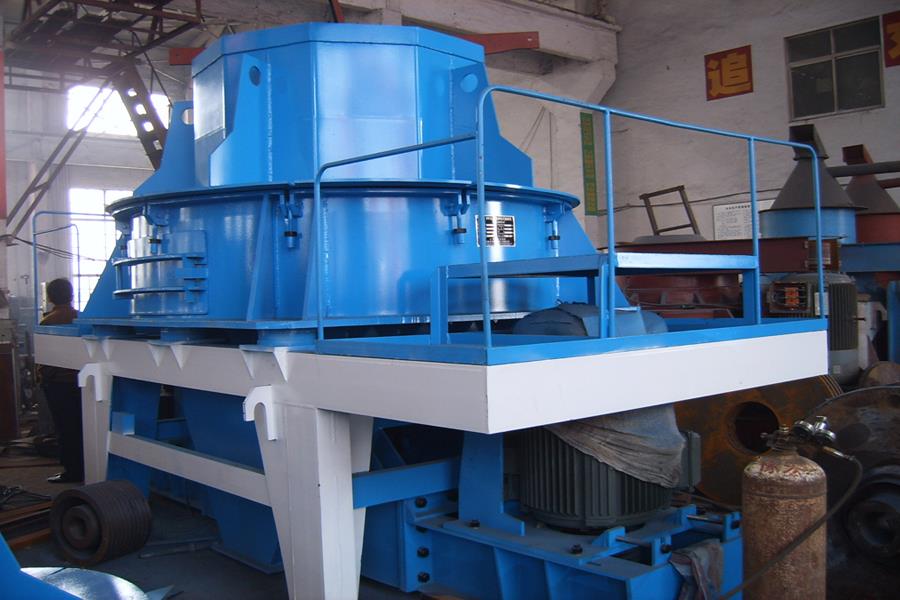
How to Select a Jaw Crusher for Lithium Ore 120 TPH in Zimbabwe
-
-
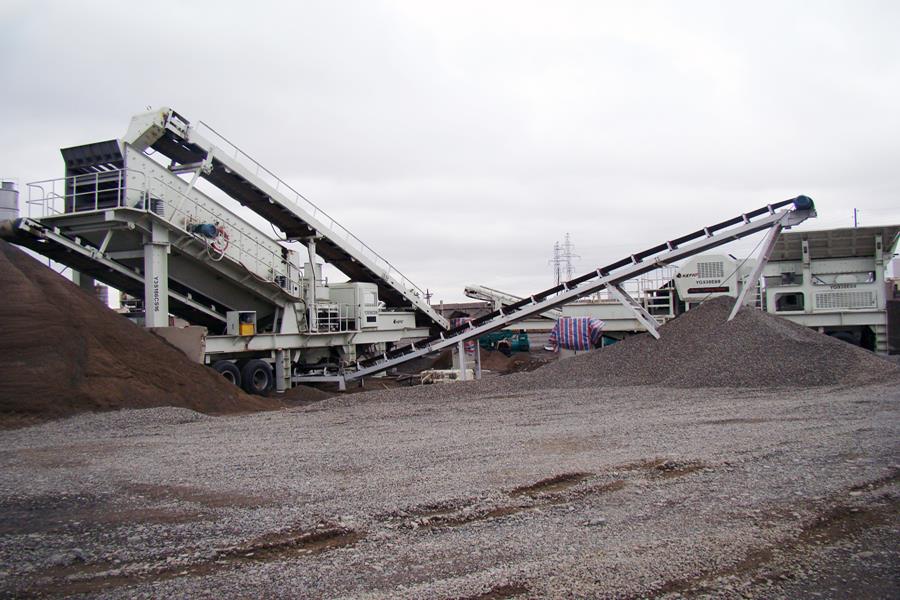
Mobile Crushing Plant 60 TPH for Construction Waste in Nairobi Kenya
-
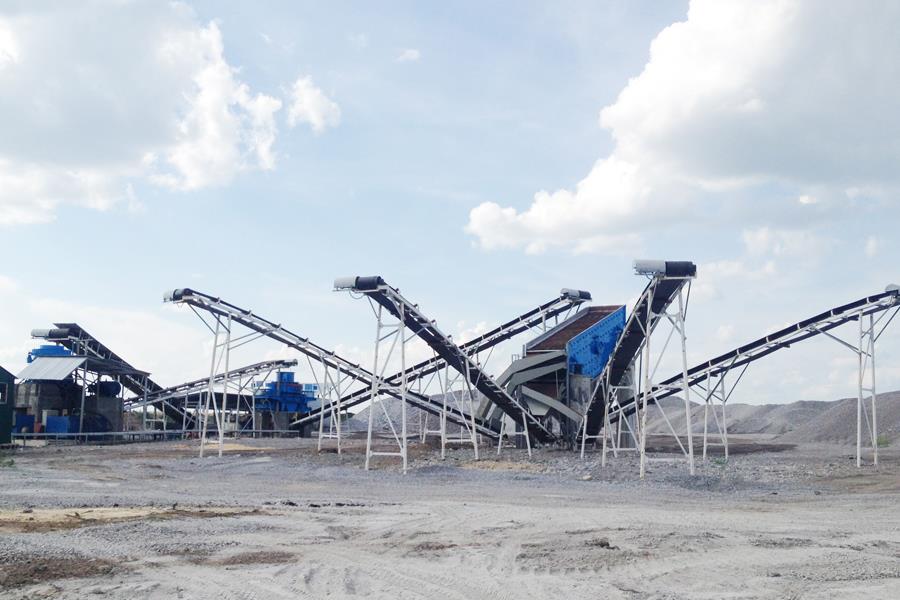
Which VSI for Manufactured Sand from Andesite 140 TPH in Indonesia