Cost benefit of closed circuit crushing vs open circuit – A practical investment analysis for Brazilian mining and quarry operators
Why the cost benefit of closed circuit crushing vs open circuit matters for Brazilian operations
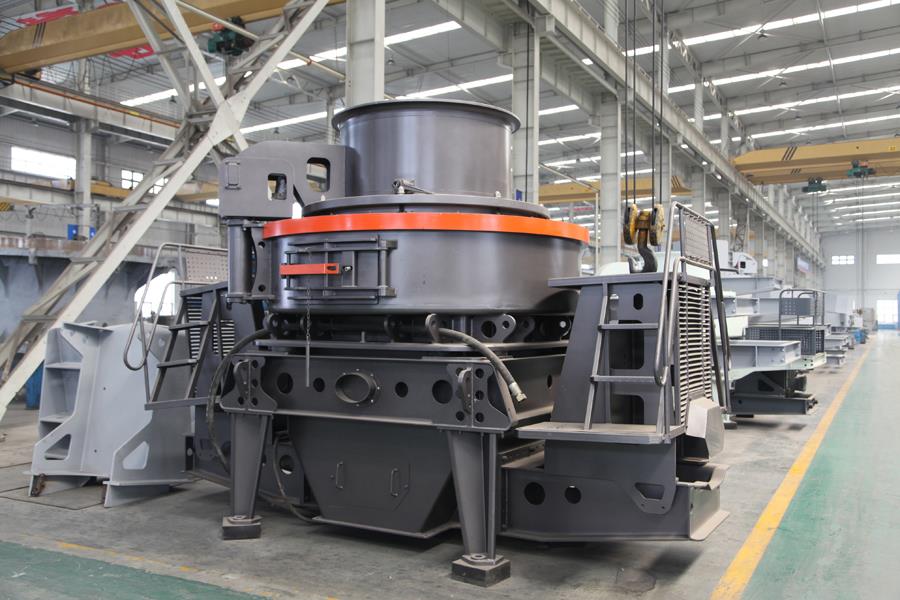
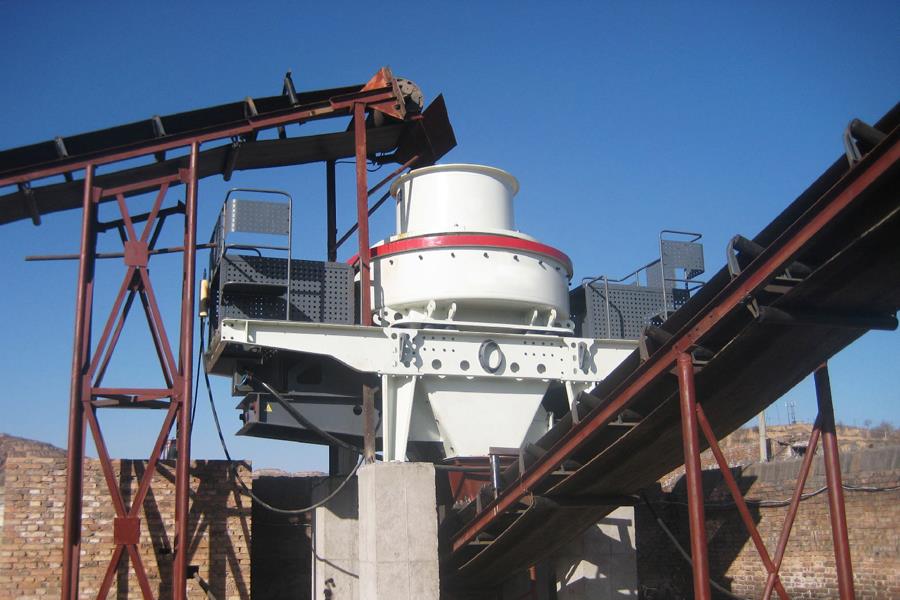
Brazil's mining and quarrying sectors are among the most dynamic in the world. From the iron ore giants of Carajás to the granite quarries of Espírito Santo and the basalt operations of Paraná, Brazilian producers face intense pressure to reduce costs while maintaining product quality. One of the most consequential decisions in plant design is the choice between closed circuit and open circuit crushing. In an open circuit, material passes through the crusher once and moves on to the next stage. In a closed circuit, oversize material is screened and returned to the crusher for additional reduction. While closed circuit crushing has traditionally been associated with higher capital costs and increased complexity, advances in automation and control have significantly narrowed the gap. Understanding the cost benefit of closed circuit crushing vs open circuit is essential for Brazilian operators looking to optimise their plants for maximum profitability. At OCP Mechanical Company, with over 40 years of manufacturing experience, we supply complete crushing plant solutions, including our PE Series jaw crushers, HST Series cone crushers, and VSI 6X series sand making machines, designed to operate efficiently in both open and closed circuit configurations.
Understanding the two circuit configurations
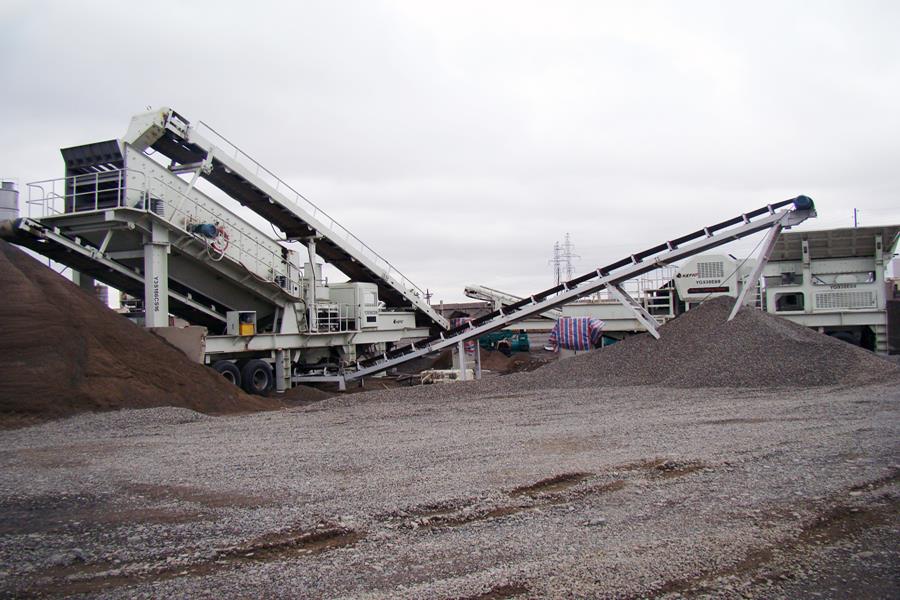
In an open circuit crushing system, the material passes through the crusher once and then moves directly to the next processing stage – typically a screen, a stockpile, or a downstream crusher. The product size is determined solely by the crusher's closed side setting (CSS) or rotor speed. There is no mechanism to correct oversize material; if the crusher produces particles that are too large, they continue through the circuit. This simplicity is the main advantage of open circuit: fewer pieces of equipment, lower capital cost, simpler control, and lower maintenance requirements. In a closed circuit system, the crusher discharge is directed to a screen. Oversize material is returned to the crusher for another pass, while the correctly sized product moves on. This recirculation ensures that the final product meets the specified size distribution with much greater accuracy. However, it requires additional equipment – a screen, a return conveyor, and a recirculation control system – which increases both capital and operating costs. The cost benefit of closed circuit crushing vs open circuit hinges on the value of that improved product quality versus the additional costs.
Capital cost comparison
When you evaluate the cost benefit of closed circuit crushing vs open circuit, the initial capital investment is a key factor. An open circuit system is simpler and requires fewer components: typically a crusher, a screen (often used only for final classification), and conveyors. The capital cost for a typical open circuit system is 15‑25 per cent lower than a comparable closed circuit system. The closed circuit system requires an additional screen (or a larger screen with more capacity), a recirculation conveyor with its associated drive and structure, and the control system to manage the recirculation. For a 150‑200 TPH plant, the additional capital expenditure for a closed circuit may be USD 50,000‑150,000, depending on the specific components. However, this higher capital cost is often justified by the increased product quality and the potential for higher sales revenue. When you evaluate the cost benefit of closed circuit crushing vs open circuit, it is important to consider the payback period of the additional investment.
Operating cost comparison – energy, wear, and maintenance
Operating costs are another critical dimension of the cost benefit of closed circuit crushing vs open circuit. In an open circuit, the crusher operates at a fixed setting, and the product size is determined by that setting. In a closed circuit, the crusher operates with a recirculating load, typically 30‑50 per cent of the new feed rate. This recirculation increases the total tonnage passing through the crusher, which increases energy consumption and wear on the crusher components. However, because the material is being crushed to a tighter specification, the amount of oversize material that would otherwise need to be reprocessed is reduced. The net effect on energy consumption varies depending on the application, but in many cases, the closed circuit consumes 5‑15 per cent more energy per tonne of final product. The additional wear on crusher liners and the additional cost of operating the screen and recirculation conveyor must also be factored in. However, closed circuit operation reduces the need for downstream processing, as the product is already at the desired size. For a comprehensive cost benefit of closed circuit crushing vs open circuit, a detailed analysis of these trade-offs is essential.
Product quality and market value
The most significant advantage of closed circuit crushing is product quality. Closed circuit operation ensures that nearly all particles are reduced to the desired size. This results in a tighter product gradation, a more cubical particle shape, and a lower flakiness index. For aggregates, this means better concrete workability, lower cement consumption, and improved asphalt compaction. In Brazil, where construction specifications are becoming increasingly stringent, a high-quality product commands a premium price. The revenue premium for a well‑graded, cubical aggregate can be 5‑15 per cent higher than for a coarser, less uniform product. For an operation producing 200,000 tonnes per year, a 10 per cent price premium can add USD 200,000‑500,000 in annual revenue, which can quickly offset the higher capital and operating costs of a closed circuit. When you consider the cost benefit of closed circuit crushing vs open circuit, the revenue side of the equation often tips the balance in favour of the closed circuit, especially for higher‑value products such as manufactured sand and premium concrete aggregates.
Flexibility and adaptability
Another factor in the cost benefit of closed circuit crushing vs open circuit is operational flexibility. A closed circuit system allows the operator to adjust the product size by changing the crusher setting and the screen aperture, without changing the circuit configuration. This makes it easier to respond to changes in market demand or feed characteristics. In an open circuit, any change in product size requires a change in the crusher setting, which may affect the throughput and may require additional downstream processing. For Brazilian operations that process multiple rock types or that need to adapt to varying market conditions, the flexibility of a closed circuit is a significant advantage. This adaptability can reduce the need for multiple circuit configurations, simplifying plant management and reducing the risk of producing off‑spec product. In the longer term, this flexibility can improve the overall profitability of the operation, a factor that should be included in any cost benefit of closed circuit crushing vs open circuit analysis.
Brazilian operating conditions – energy costs, labour, and logistics
Brazil's operating environment adds another layer to the cost benefit of closed circuit crushing vs open circuit. Industrial electricity tariffs in Brazil are among the highest in the world, averaging BRL 300‑500 per MWh. This makes energy efficiency a critical factor. While closed circuit systems typically consume more energy per tonne than open circuit systems, the improvement in product quality and the reduction in downstream processing may offset this cost. Labour costs in Brazil are lower than in many developed countries, which may make the additional maintenance of a closed circuit system less burdensome. However, the availability of skilled technicians can be a challenge in remote locations, which favours the simpler open circuit. Logistics also play a role; if the plant is located far from the end market, the ability to produce a consistent, high‑quality product that commands a premium price is especially valuable. By considering these local factors, Brazilian operators can make a more accurate assessment of the cost benefit of closed circuit crushing vs open circuit.
Sample cost comparison table (For reference only)
| Factor | Open Circuit | Closed Circuit |
|---|---|---|
| Capital cost | Base | +15‑25% * |
| Energy consumption per tonne | Lower | Higher (+5‑15%) * |
| Wear parts cost per tonne | Lower | Higher (+10‑20%) * |
| Maintenance complexity | Lower | Higher |
| Product size consistency | Variable | Consistent |
| Product quality premium | None | 5‑15% higher * |
| Flexibility | Limited | High |
| Typical payback period | N/A | 12‑24 months * |
All figures and recommendations are for reference only and are continuously updated. For the latest parameters, please consult our online customer service. Prices are for reference only and are subject to change based on configuration and market conditions. Actual results may vary depending on feed characteristics, operating conditions, and maintenance practices. OCP Mechanical reserves the right to update technical data and pricing without prior notice.
How OCP Mechanical supports your circuit decision
With over 40 years of manufacturing experience, OCP Mechanical combines engineering excellence with a deep understanding of the Brazilian mining and quarrying sectors. We are a factory‑direct supplier, meaning you avoid the markups charged by dealers and intermediaries. Our PE Series jaw crushers, HST Series cone crushers, and VSI 6X series sand making machines are built to operate efficiently in both open and closed circuit configurations. We provide comprehensive plant design services, including circuit analysis and simulation, to help you make the best decision for your specific operation. Our after‑sales support includes spare parts availability, technical assistance, and on‑site training. We are committed to helping you achieve the highest possible return on investment from your crushing plant.
Conclusion – Choose the right circuit and maximise your profitability
The decision between closed circuit and open circuit crushing is not a simple one‑size‑fits‑all choice. It requires a careful evaluation of capital costs, operating costs, product quality, market conditions, and operational flexibility. For many Brazilian operations, the improved product quality and market premium of a closed circuit justify the higher capital and operating costs, with a payback period of 12‑24 months. For operations with less demanding product specifications or very limited capital, an open circuit may be the more cost‑effective choice. OCP Mechanical offers the equipment, expertise, and factory‑direct pricing you need to make an informed decision. Our online customer service team is available 24/7 to provide free consultation, technical data, and a customised quotation for your operation. Click the chat button now – let us help you evaluate the cost benefit of closed circuit crushing vs open circuit and build a more profitable operation in Brazil.