
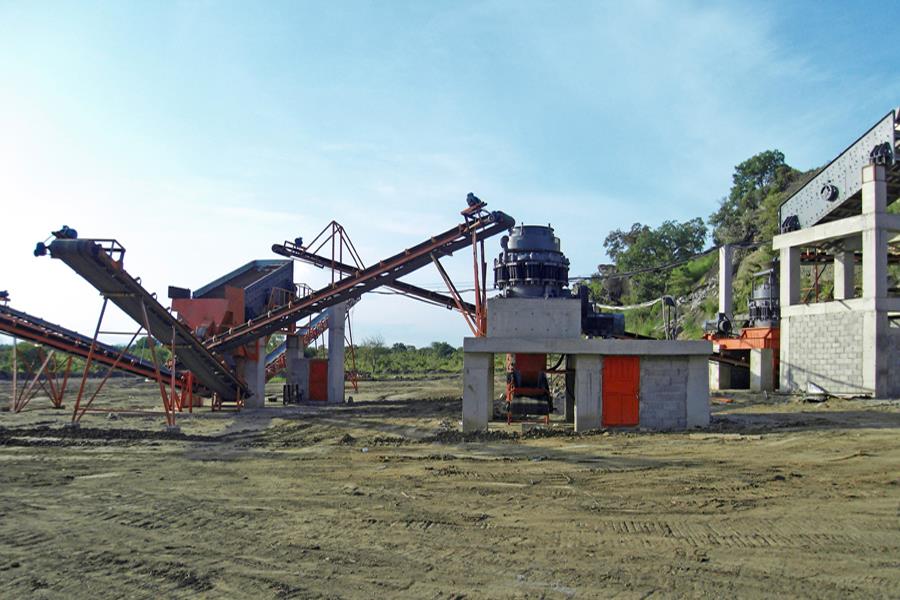
Construction Waste Recycling: Mobile Crushing Stations to the Rescue
After sorting, removal, or crushing, much of the waste in construction debris can be reused as recycled resources. The resource recovery of construction waste is feasible, highlighting the importance of construction waste management. The recycling of construction waste is also economically viable. Therefore, how to handle and utilize the ever-increasing volume of construction waste has become a critical challenge we face.
Development and Utilization of Construction Waste
1. Bricks and tiles from construction waste can be reused after cleaning. Waste bricks, tiles, and concrete, after crushing, screening, grading, and washing, can be used as recycled aggregates to produce low-strength recycled aggregate concrete. This concrete is suitable for foundation reinforcement, road base layers, indoor flooring and subfloors, as well as the production of non-load-bearing concrete hollow blocks, concrete hollow partition panels, and autoclaved fly ash bricks.
2. The recycled aggregate mixture contains a significant amount of cement mortar, resulting in high porosity, high water absorption, and low strength. These characteristics lead to poor workability of the concrete mix, increased shrinkage and creep values, and lower compressive strength, limiting the application scope of this concrete.
3. Waste wood from construction projects can be reused as formwork or building materials. Alternatively, it can be shredded into chips via wood chippers for use as paper pulp, fuel, or in manufacturing medium-density fiberboard.
4. Waste metals and steel are sorted and sent to steel mills or non-ferrous metal smelters for reprocessing.
5. Sorted waste glass is sent to glass factories or microcrystalline glass plants as production raw material.
6. Waste oil felt is landfilled; excavated soil and slope soil are sent to sintered brick factories for brick production; crushed stone is processed through crushing, screening, and washing to serve as concrete aggregate.
Since its establishment, OCP Heavy Industry has specialized in developing and manufacturing complete sets of equipment for crushing, screening, grinding, washing, feeding, conveying, environmental protection, dust removal, as well as steel, metallurgy, and steel slag processing and recycling. Our products are widely applied in the crushing and processing of metals, non-metallic minerals, energy raw materials, and metallurgical waste residues within the steel and metallurgical sectors. We have earned the trust of our customers through superior product quality, high equipment operational efficiency, lower operating costs, and strict adherence to safety and sustainable development standards. Click the website chat icon for immediate free consultation—available 24/7.
-
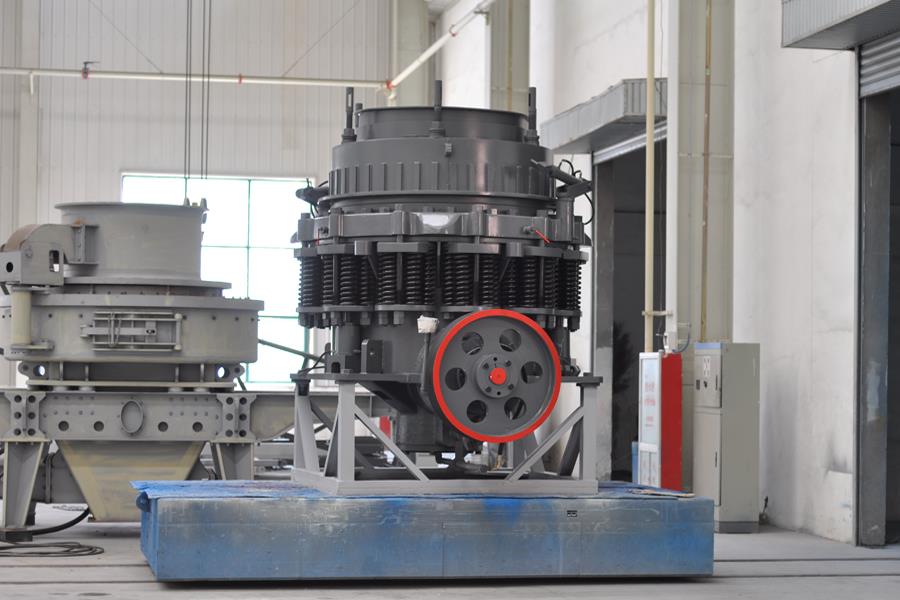
What factors primarily influence the production capacity of an impact crusher
-
-
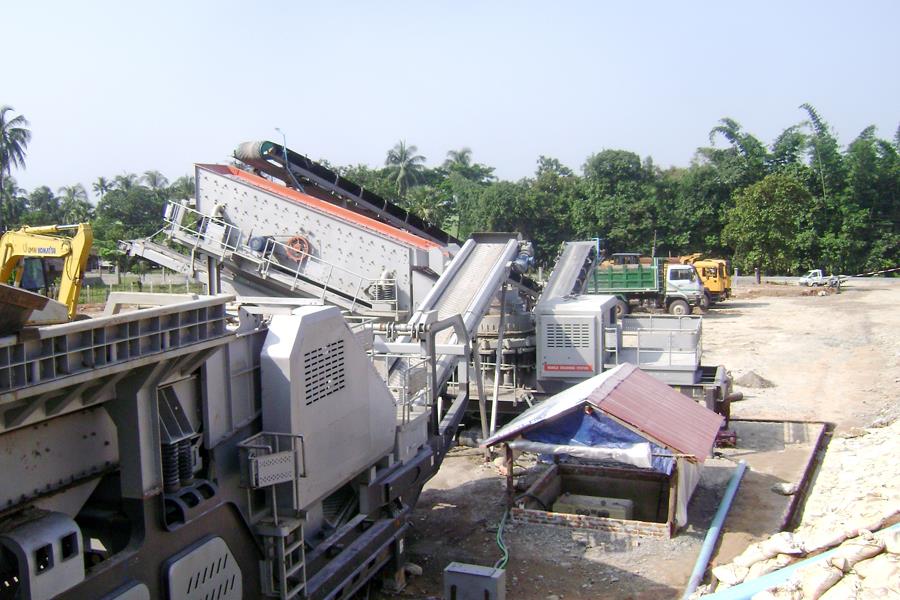
Advantages and Disadvantages of Semi-Mobile Crushing Stations
-
-
Advantages and Disadvantages of Semi-Fixed Crushing Stations