Advantages and Disadvantages of Fixed Crushing Plants
Currently, due to the rapid development of infrastructure and construction industries, the demand for sand and gravel aggregates has surged dramatically. However, the supply of natural sand resources is insufficient, leading to an imbalance between supply and demand. Against this backdrop, mining crushers can resolve the contradiction between supply and demand for sand and gravel aggregates, effectively addressing the challenge of construction sand. Mining crushers are categorized based on the degree of fixation between the crushing equipment and its foundation: mobile, semi-mobile, semi-fixed, and fixed. Below is a brief overview of the advantages and disadvantages of fixed crushing plants.
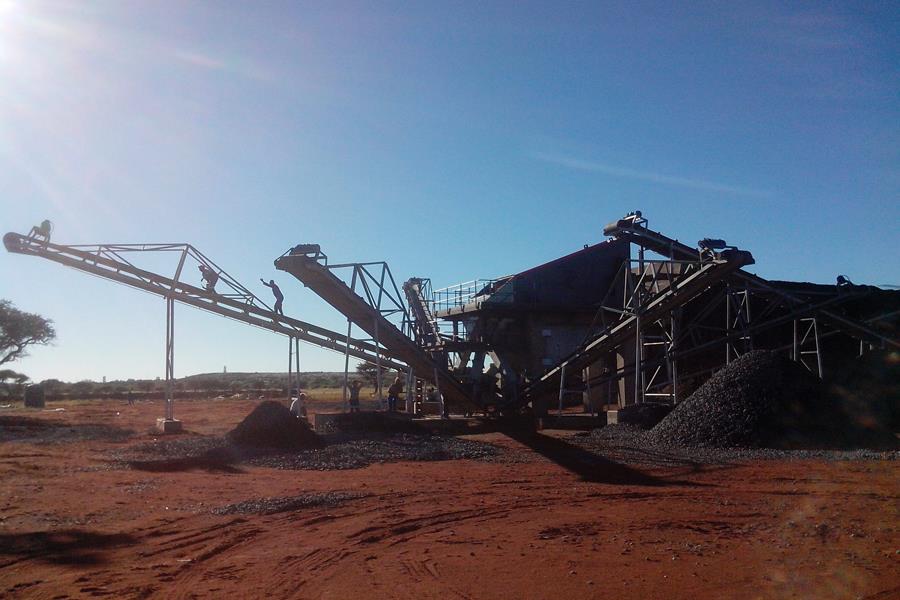
Fixed crushing plants are typically positioned outside the boundaries of the mining area or integrated within the mining area alongside chutes. They are unaffected by the advancement and extension of mining benches. Permanently anchored to the ground via a fixed foundation, these plants are designed for long-term, non-relocatable operation once constructed. They offer versatile feeding methods, accommodating direct truck unloading or feeding via buffer bins with discharge devices. Typically located in the crushing workshop of a mineral processing plant, fixed crushing stations share the same operational lifespan as the mine.
Advantages:
1. The complete fixed crushing plant production line is highly flexible, featuring a large crushing ratio, high production efficiency, and substantial throughput capacity. It can be designed to integrate with high-capacity production lines as required. Primarily used by suppliers with concentrated aggregate deposits and stable supply-demand channels.
2. Relatively simple maintenance and operation compared to mobile production lines. Wear parts utilize modern high-strength, wear-resistant materials, resulting in minimal loss, extended service life, and significant economic benefits for users.
3. Suitable for crushing various Mohs hardness materials including limestone, basalt, quartzite, and river rock. Produces well-shaped finished products with low needle and flake content, supplying qualified aggregates for high-grade highways, railways, water conservancy projects, concrete mixing plants, and other industries.
Disadvantages:
Fixed crushing plants require extensive installation and site planning. Concrete foundations are necessary for securing the machinery during installation, making dismantling inconvenient and costly in terms of time and resources.
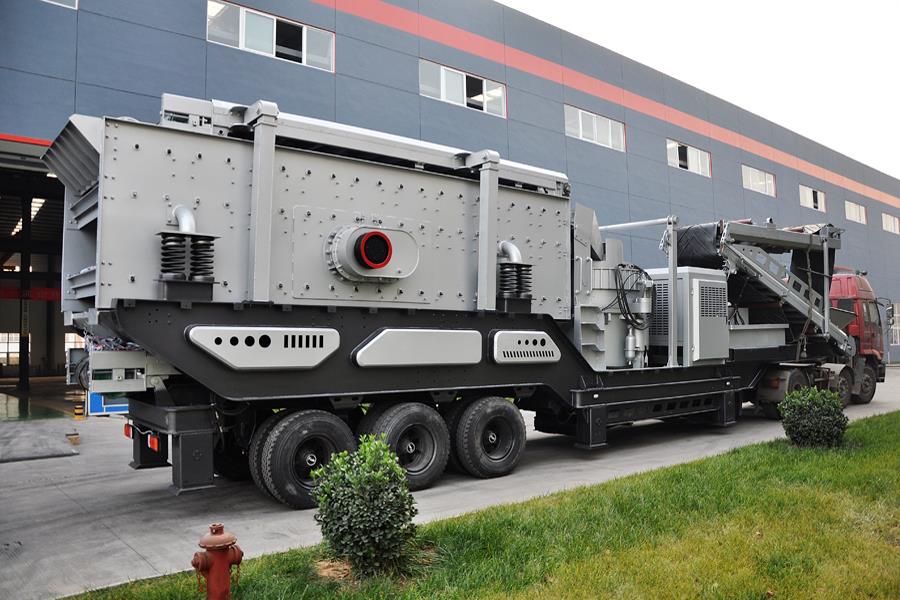
So, which is better: mobile crushing stations, semi-mobile crushing stations, semi-fixed crushing stations, or fixed crushing stations? Mobile crushing stations reduce operational space and time requirements compared to fixed stations, offering greater adaptability for site relocation. Fixed crushing stations are more widely used for aggregate production and offer higher output. The specific choice depends on the user's actual circumstances.
We welcome you to visit OCP Heavy Industry for an on-site tour of our facilities and crushers, and to consult on crusher selection. Our specialists will recommend the most suitable crusher based on your material properties and regional production characteristics! Click the website chat icon for immediate free consultation—available 24/7.
-
Advantages and Disadvantages of Semi-Fixed Crushing Stations
-
-
Working Principle and Chassis Design of Mobile Crushing Stations
-
Pebble Sand Making Machines Significantly Boost Pebble Production Efficiency
-