Coal Gangue Sand-Making Process and Crusher Equipment Configuration Explained Here!
Coal gangue is solid waste discharged during coal mining and washing processes. Primarily composed of Al₂O₃ and SiO₂, it is a black-gray rock with low carbon content and greater hardness than coal, boasting a Mohs hardness of 3. If left unused, it occupies vast tracts of land. Sulfide emissions or leaching can pollute the atmosphere, farmland, and water bodies. Yet this seemingly worthless coal gangue can be transformed into sand through a series of processing steps. The finished product, produced by sand-making equipment, exhibits superior bonding strength and compressive resistance. It finds applications in construction aggregates, road construction, and other fields. Key uses include serving as raw material for cinder and brick factories, recycled bricks, building materials, and as base materials for road paving, where it delivers excellent results.
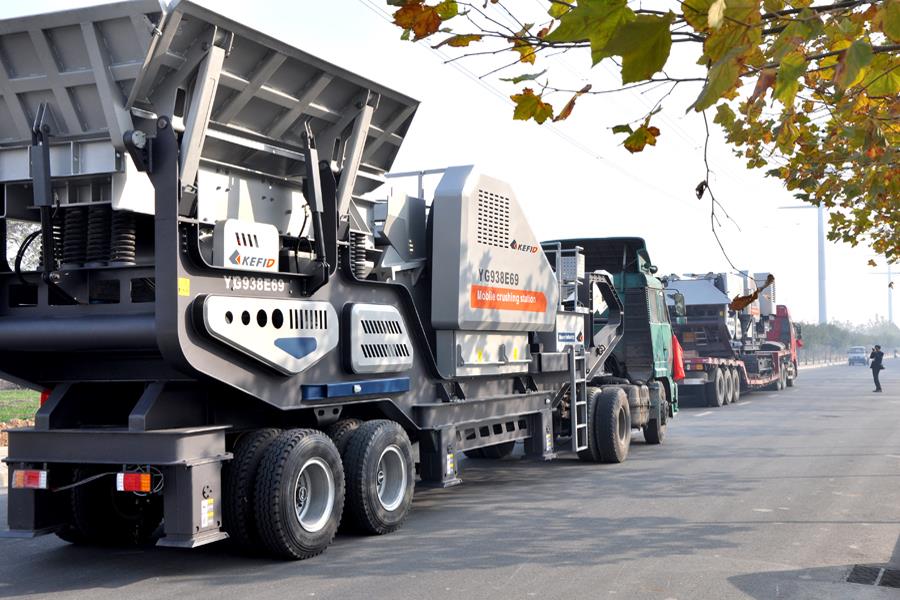
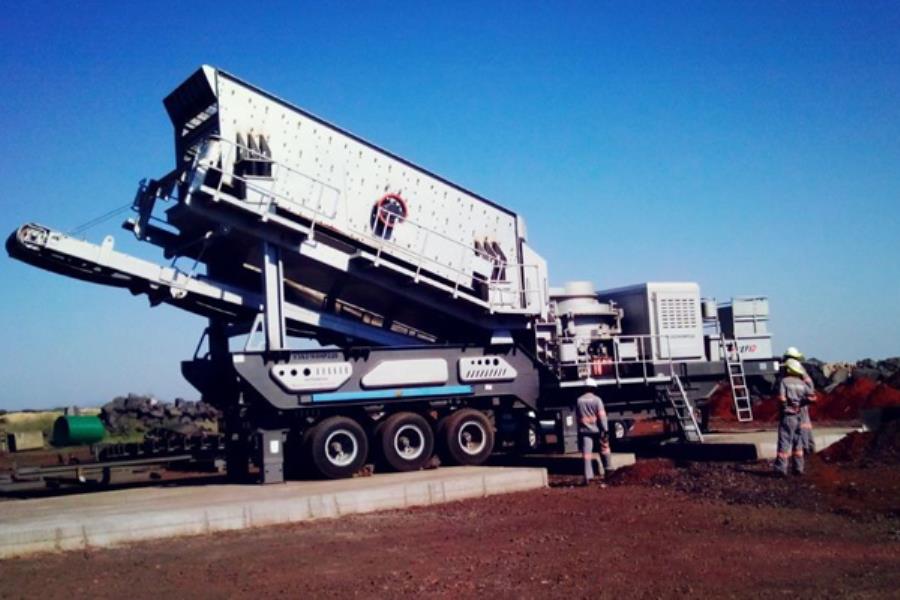
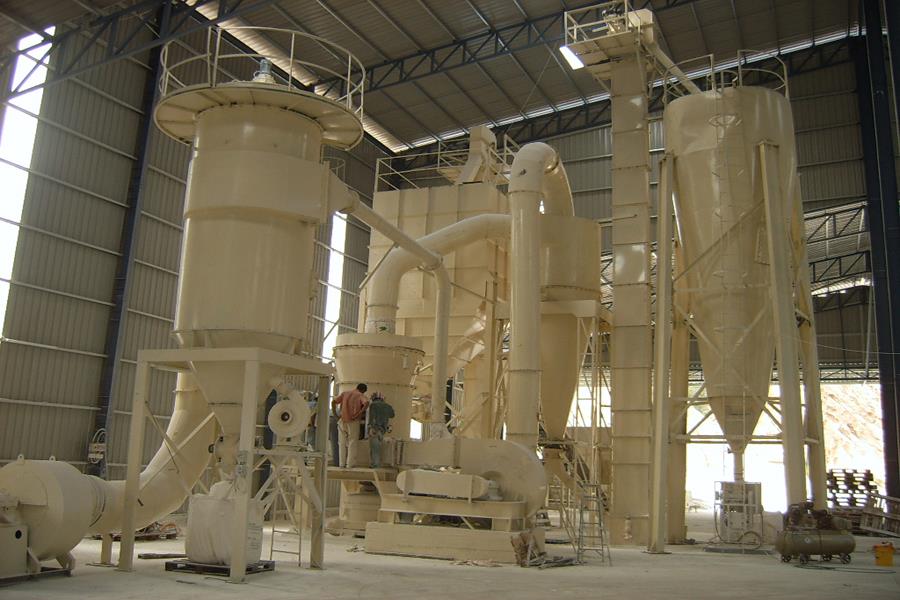
The coal gangue sand production process primarily involves feeding, coarse crushing, medium and fine crushing, sand making, screening, and conveying. It can be categorized into fixed and mobile production lines. Common equipment includes vibrating feeders, vibrating screens, belt conveyors, jaw crushers, impact crushers, and sand makers.
Process and Equipment:
1. Jaw Crusher
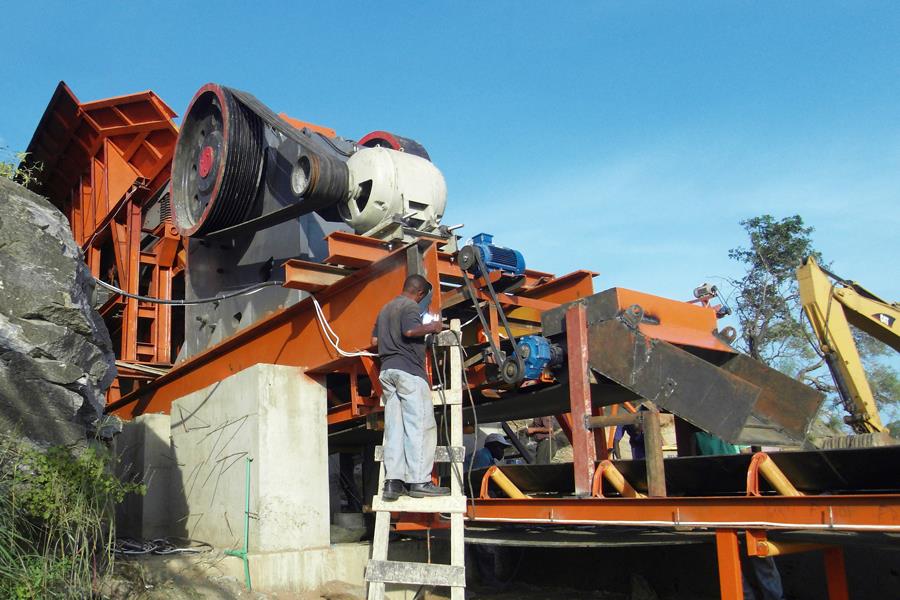
Primary crushing stage configuration: Jaw Crusher + Vibrating Feeder
Primary crushing process: The vibrating feeder uniformly feeds large coal gangue chunks into the jaw crusher. Crushed material exits through the discharge port and is conveyed by belt conveyors to the secondary/fine crushing section.
2. Impact Crusher
Equipment configuration for secondary/fine crushing: Impact crusher + vibrating screen
Medium-fine crushing process: The belt conveyor directly feeds the coarse-crushed coal gangue fragments into the impact crusher. After being further crushed, the material exits through the discharge port and is transported by another belt conveyor to the vibrating screen for classification. The screened material is directed in two paths: larger particles are returned to the impact crusher for re-crushing, while smaller particles are directly conveyed to the sand-making section.
3. Sand Making Machine
Equipment configuration for sand making stage: Sand making machine + Vibrating screen
Sand making process: Coal gangue aggregates, after secondary fine crushing, are directly fed into the sand making machine's inlet via a belt conveyor. The sand making machine further processes the material (fine crushing and reshaping), producing coal gangue sand with a uniform particle size below 5mm.
4. Vibrating Screen
If sand washing is required, a sand washer and fine sand recovery machine can be purchased as needed.
Currently, manufactured sand and gravel can fill the gap in construction sand supply. Coal gangue sand production represents waste reuse with abundant resources and low costs. The finished product offers superior bonding strength and compressive resistance. Processing coal gangue into sand and gravel for use in construction aggregates and road building is an ideal solution—addressing environmental pollution concerns while filling the aggregate shortage gap. This approach delivers significant economic, environmental, and social benefits! The coal gangue sand production line process is as described above, though configurations vary with corresponding price differences. Users should select the appropriate sand production line based on their specific requirements.
With over 40 years of experience in manufacturing crushing equipment and designing production lines, OCP Heavy Industry offers factory-direct sales with high-quality products at competitive prices, backed by excellent pre-sales and after-sales service. We welcome you to visit our facilities and inspect our crushers in person. Consult our experts on crusher selection and production line design—our professionals will tailor the right crushers and production lines based on your material properties and regional production characteristics!