
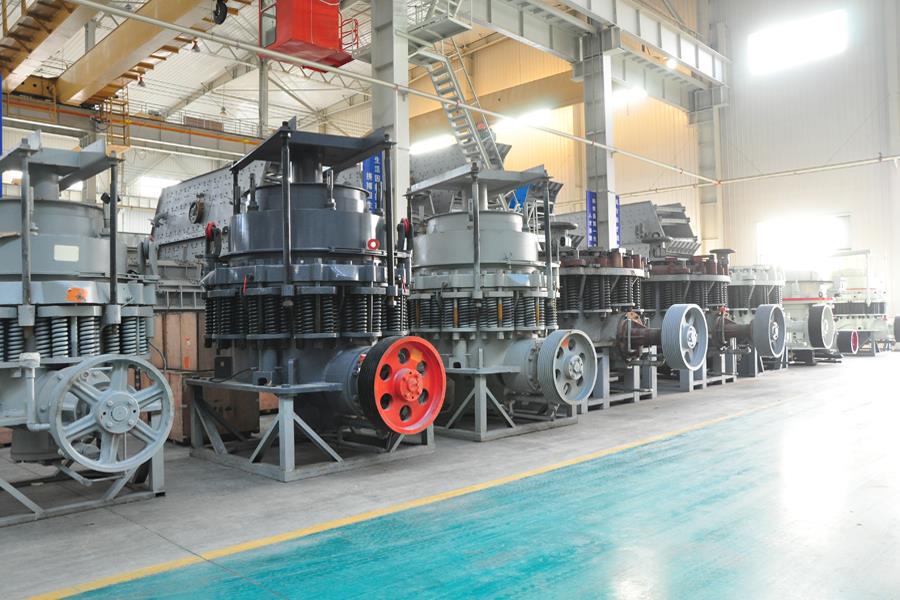
Characteristics and Working Principle of Basalt Sand-Making Machines
Basalt possesses a bulk density of 2.8–3.3 g/cm³ and exhibits exceptional compressive strength, reaching up to 300 MPa. Conventional sand-making equipment struggles to process basalt into usable aggregate. Addressing this challenge, engineers have developed a new generation of specialised basalt sand-making machinery—the Basalt Sand-Making Machine—drawing upon extensive production experience, the physical and chemical properties of basalt, and advanced international case studies. This equipment boasts an operational cycle exceeding 18 hours, high productivity with energy efficiency, superior quality of finished sand and aggregate, and ease of operation.
Basalt serves as an excellent raw material for producing ‘cast stone’. Cast stone is manufactured by melting, casting, crystallising, and annealing basalt. It surpasses alloy steel in hardness and wear resistance, while exhibiting greater corrosion resistance than lead and rubber. Basalt also functions as a ‘lubricant’ in an advanced cast steel process, extending the lifespan of casting moulds. Furthermore, basalt can be drawn into glass fibres, exhibiting superior alkali resistance and high-temperature tolerance compared to standard glass fibre cloth.
Basalt stands as the premier aggregate for repairing roads, railways, and airport runways, boasting exceptional compressive strength, low crushing value, strong corrosion resistance, and excellent asphalt adhesion. Basalt possesses advantages such as abrasion resistance, low water absorption, poor electrical conductivity, high compressive strength, low crushing value, strong corrosion resistance, and excellent asphalt adhesion. Internationally recognised, it serves as the optimal foundation for developing railway and road transport infrastructure. How does a basalt sand-making machine operate?
Working Principle of Basalt Sand-Making Machine:
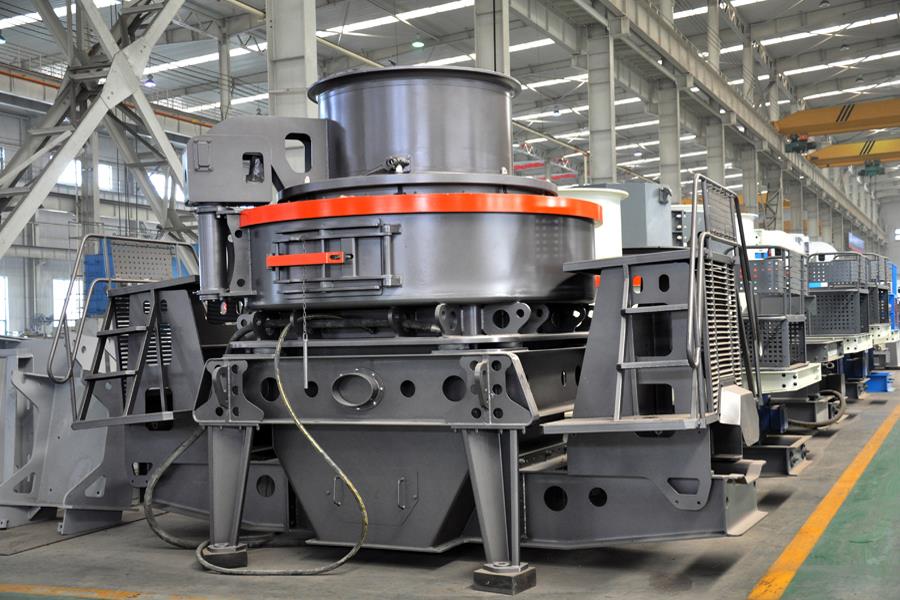
Basalt material is conveyed into the sand-making machine via a vibrating feeder. Within the machine, the material is divided into two streams by a distributor. One stream enters a high-speed rotating impeller, where it is instantaneously accelerated to hundreds of times the gravitational acceleration. The accelerated material is then ejected through three evenly spaced channels in the impeller, colliding with material falling from the periphery to achieve preliminary fragmentation.
Both streams of basalt material strike the material lining within the vortex chamber. Rebounding off this lining, they are propelled towards the chamber's apex before redirecting downward. Material ejected from the rotor channels forms a continuous curtain. The repeatedly crushed basalt material is discharged through the lower outlet as finished product.
We are an integrated mining machinery company specialising in research, development, production, sales, and service. Our core offerings include jaw crushers, cone crushers, impact crushers, sand makers, mobile crushing stations, ball mills, and vibrating screens, alongside complementary equipment. We warmly welcome all clients to visit our factory for on-site inspections. Click our website chat for immediate complimentary consultation – available 24 hours online.
-
-
-
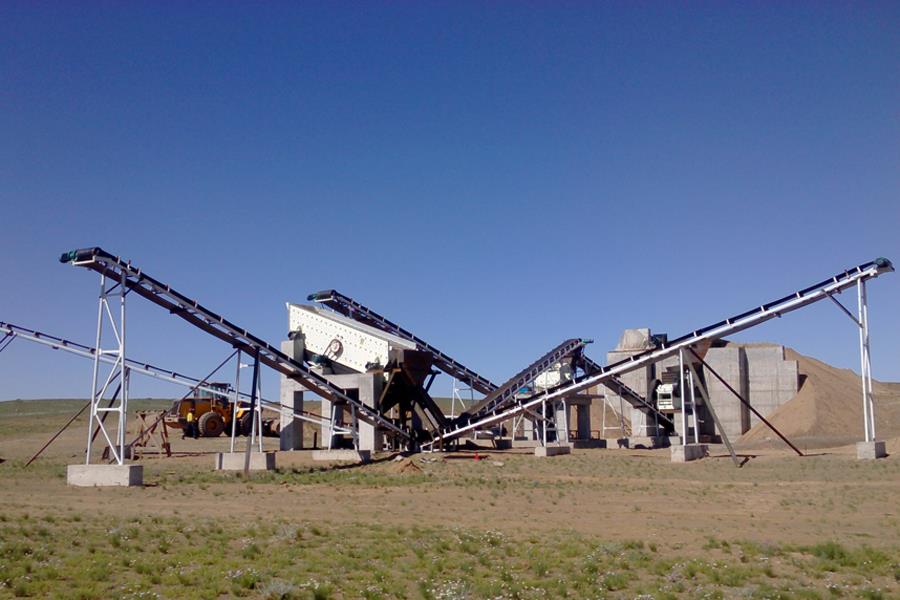
The effectiveness of hammer-type sand crushers in breaking down shale is clearly visible
-
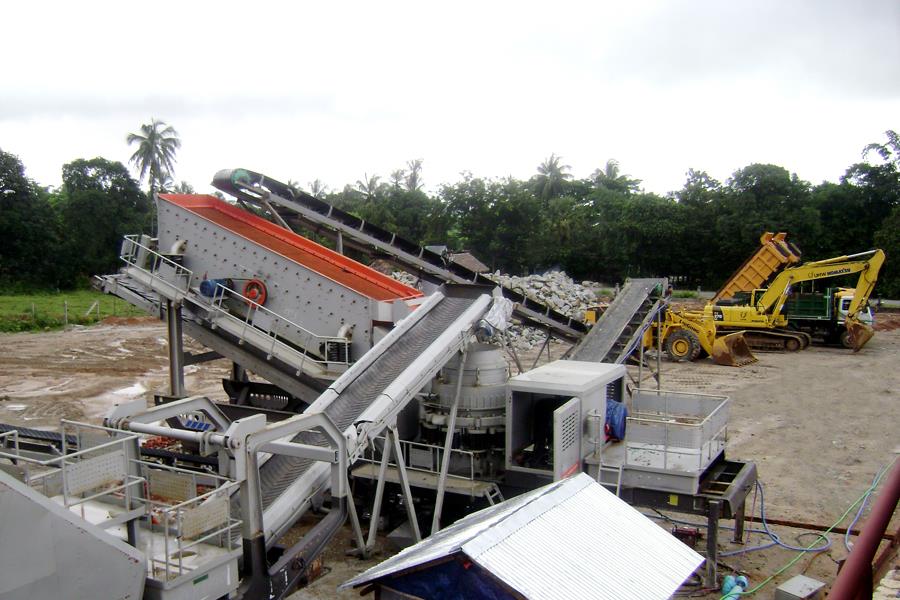
What types of crushing equipment are used in mining operations
-
How to Ensure Normal Operation of Crushers in High-Temperature Environments