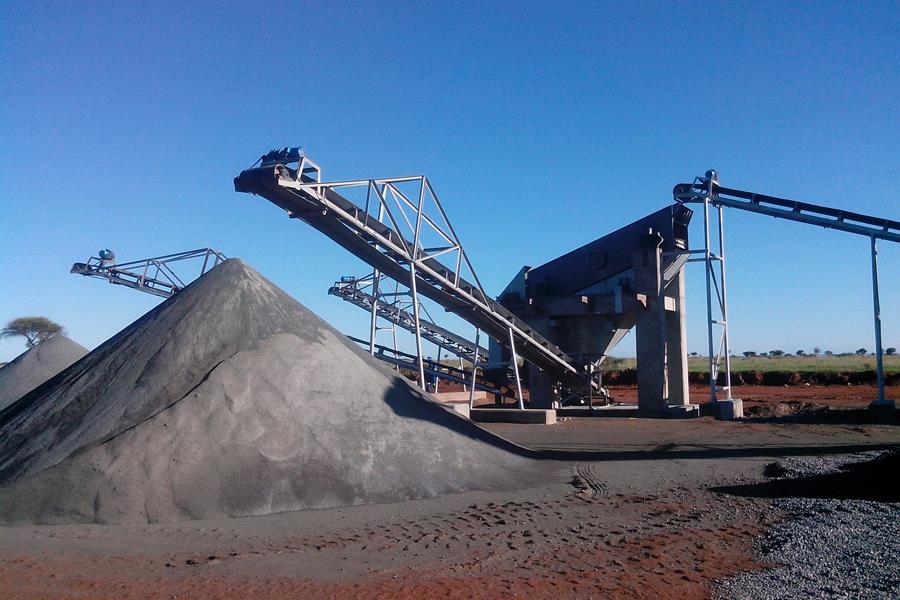
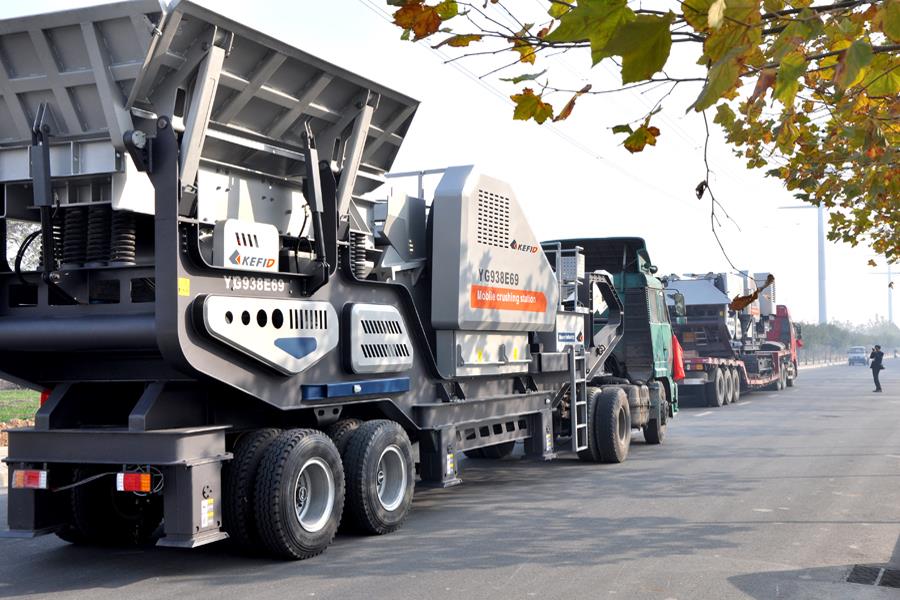
What equipment is primarily used for processing pebbles
Pebbles are readily available and, more importantly, possess a hard texture with stone-like properties such as compressive strength and corrosion resistance, making them an excellent raw material for artificial sand. The advantages of using pebble aggregates include enhancing the physical properties of cement concrete, improving crack resistance, and achieving favourable technical, economic, and social benefits.
Pebbles constitute a high-hardness material with varying particle sizes. For processing larger-sized pebbles, the primary equipment selected includes jaw crushers, cone crushers, and sand makers.
1. Jaw Crusher
This serves as the primary crushing stage in most aggregate plants, featuring a large feed opening suited to handling coarse feed sizes. Its substantial feed capacity and high compressive strength make it essential for initial processing in pebble production lines. The jaw crusher's robust design ensures effective handling of high-hardness pebble materials.
2. Cone Crusher
Operating on the principle of laminar crushing, the cone crusher produces uniformly sized output with excellent particle shape. and well-shaped particles. It is one of the specialised pebble crushers for processing crushed pebbles. Typically, pebble raw materials are fed into the jaw crusher via a vibrating feeder. After the jaw crusher processes the stone into smaller pebble particles, secondary crushing equipment such as a cone crusher or impact crusher is used to produce aggregates of the required size.
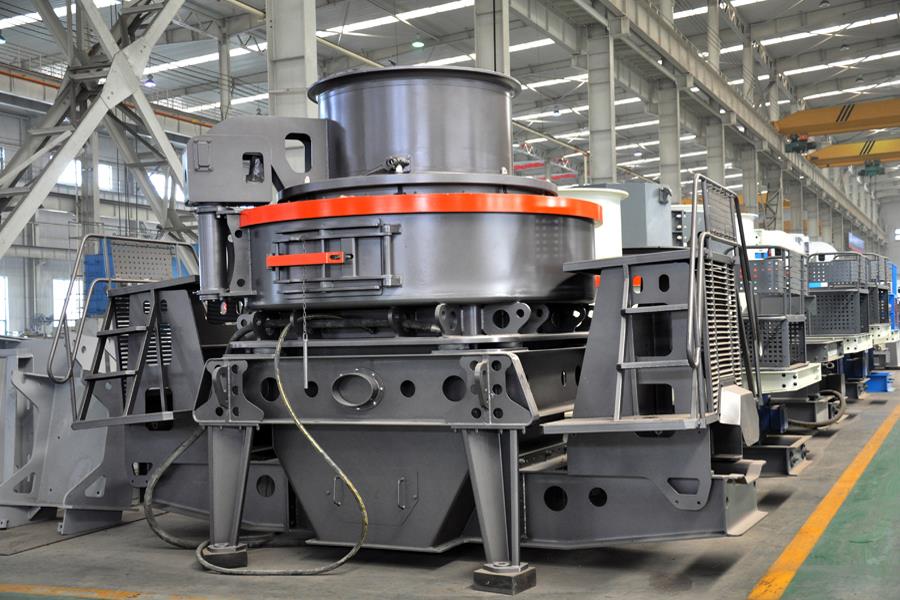
3. Sand Making Machine
The sand making machine represents a new generation of pebble processing equipment, producing finished sand with particle sizes below 5mm. It delivers uniform gradation with minimal needle-like or flaky particles. This model advances upon traditional designs by adopting a dual-feed mechanism—combining central and peripheral feeding points— This configuration increases feed capacity by 30%. Equipped with a modular discharge head, the machine allows for the replacement of severely worn components during prolonged operation, ensuring uninterrupted production without compromising output.
The rapid growth of manufactured sand stems primarily from abundant raw materials and low production costs. It is understood that finished manufactured sand produced from crushed, processed, and washed aggregates commands a significantly higher price than raw sand and gravel, though pricing may fluctuate regionally. Moreover, manufactured sand boasts superior particle shape and quality, further elevating its value. Consequently, substantial profit margins are indeed achievable with manufactured sand.
Should you require pebble crushing and sand-making equipment, please click to consult our website customer service immediately for a complimentary assessment. Available 24 hours online.
-
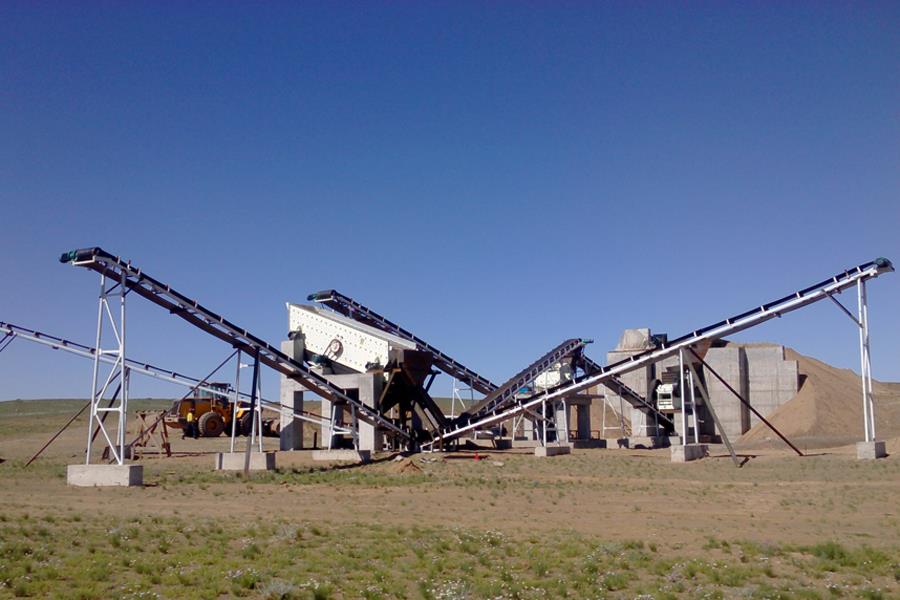
The effectiveness of hammer-type sand crushers in breaking down shale is clearly visible
-
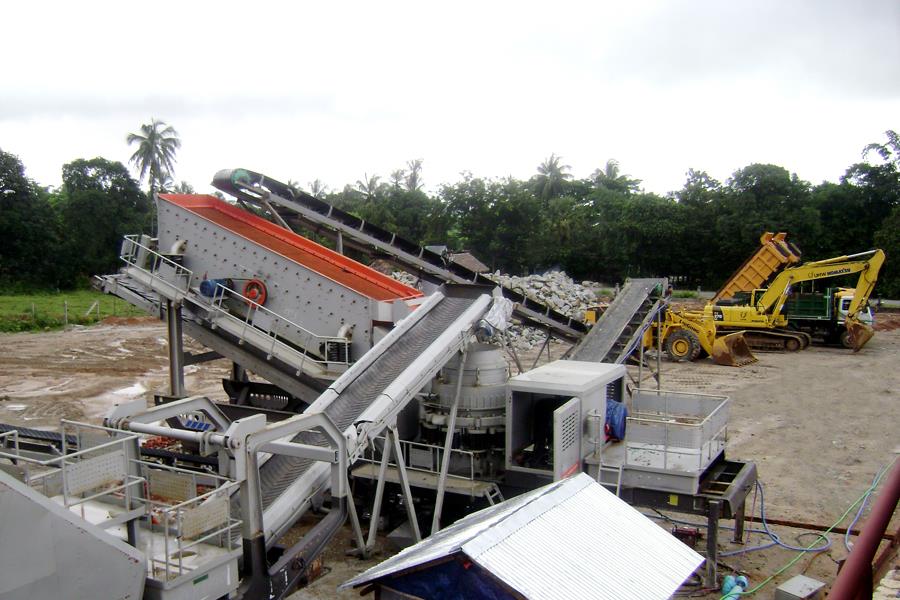
What types of crushing equipment are used in mining operations
-
How to Ensure Normal Operation of Crushers in High-Temperature Environments
-
-