
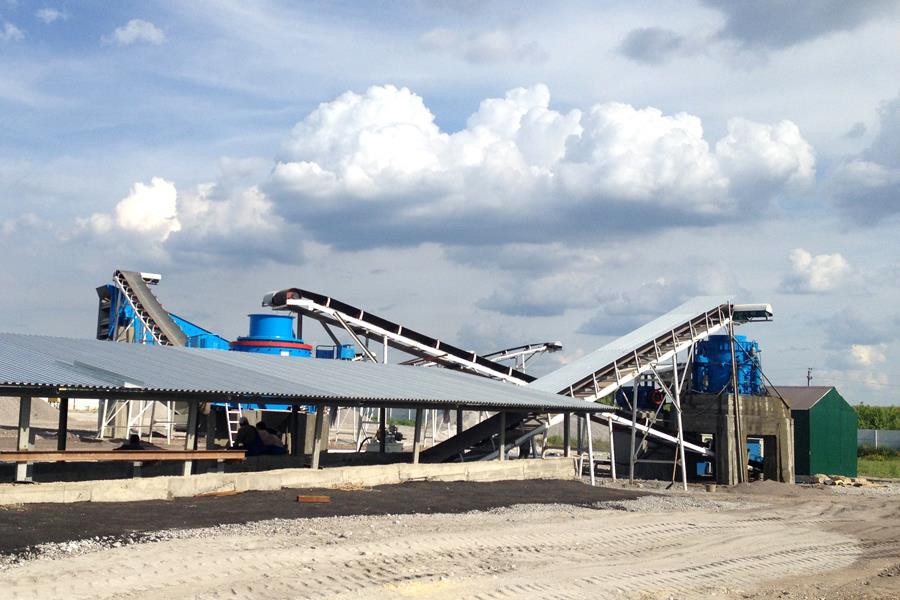
Aggregate Production Line Layout
The volume of manufactured sand has been growing at an annual rate exceeding 10%. Enhanced environmental regulations have necessitated stricter construction standards for aggregate plants, leading to the closure of smaller facilities lacking adequate environmental protection measures. This has created favourable market conditions for new, large-scale modern aggregate production lines. The aggregate industry is evolving towards large-scale operations, high standards, and modernisation.
A. Introduction to Aggregate Production Lines
An aggregate production line may be understood as a rational combination of crushing, screening, storage, and finished product dispatch. Product variations significantly influence configuration methods. From a master plan perspective, the entire production process can be divided into three stages:
Stage One: Primary crushing and soil removal screening.
Stage Two: Combination of successive crushing and screening stages to produce finished products.
Stage Three: Finished product storage and dispatch.
B. Layout Principles for Different Terrain Conditions
1. Standard Layout Approach
Selecting suitable sites based on aggregate production characteristics, primary crushing facilities are positioned on elevated ground to minimise raw material transport distances. Buffer stockpiles, crushing units, screening facilities, and finished product piles are arranged in terraced sections utilising natural topography and production flow. This approach reduces earthworks and shortens belt conveyor distances.
The front-of-plant area houses facilities such as canteens, bathhouses, and warehouses. Separating this zone from production areas effectively mitigates the impact of production-generated noise and dust.
The main entrance is positioned near the external access road. Depending on material transport volumes, weighbridges are installed on access roads into production zones to measure finished aggregate quantities.
2. Layout Principles for Different Terrain Conditions
Terrain is typically categorised by site planners as either ‘significantly undulating’ or ‘relatively flat’. In practice, ‘undulating terrain’ proves more suitable for aggregate production line layouts. This stems from the unique characteristics of the production process: workshops are interconnected by conveyor belts, with material discharged from upstream workshops feeding into downstream ones – exiting at ground level and entering at elevated points. A reasonable elevation difference between platforms can shorten transport distances. However, for workshops involving material return, their elevation levels should be kept as consistent as possible. Designing the most optimal master plan in conjunction with the terrain poses a challenge for designers. Given that aggregate production lines occupy a relatively small footprint but involve complex internal connections, the following points have been explored and summarised based on practical design experience.
(1) Layout of primary crusher positioning: Depending on production scale, the elevation difference between the primary crusher feed hopper and discharge conveyor remains consistent. For a 500t/h capacity, this difference is approximately 12m; for a 1000t/h capacity, it is approximately 14m. Trench construction incurs significant costs. To avoid trenches or large-scale trenching, the primary crusher is typically positioned where a step difference exists, ensuring a sufficiently large discharge platform (generally 50m × 50m), with variations depending on the size of the ore transport vehicles.
(2) Between crushing and screening stages, where localised material return exists between workshops, locating workshops on a bench is optimal. Calculate economically viable conveying distances between workshops based on conveying angles and internal vertical elevations.
OCP Heavy Industry, with 40 years of experience in manufacturing and developing large-scale mining equipment, offers key machinery including jaw crushers, impact crushers, cone crushers, sand makers, washing and sorting equipment, and conveying systems. We tailor production line solutions to client requirements, providing complimentary installation and training. Site visits to our facilities are welcome! Click our website chat for immediate free consultation – available 24 hours.
-
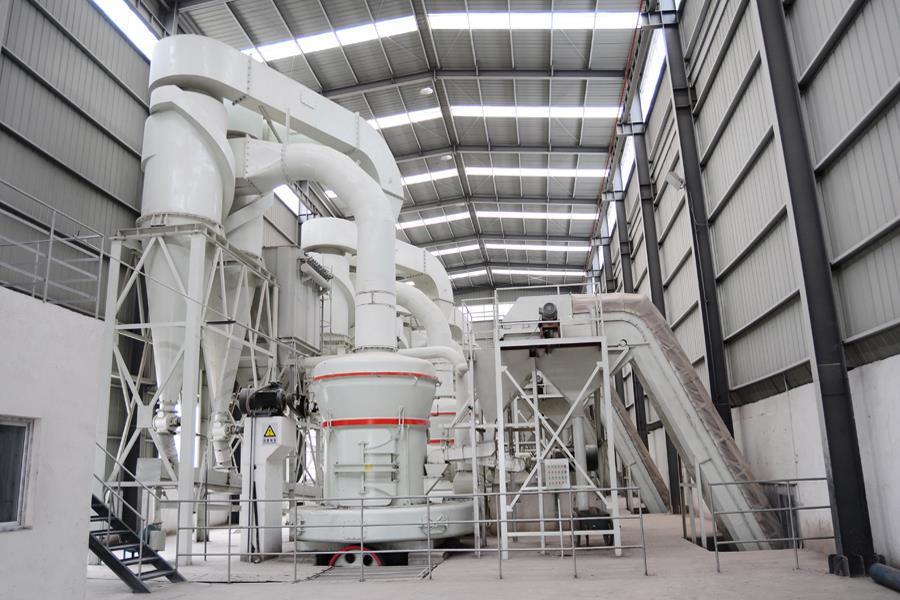
Everyone is enquiring about the advantages and pricing of investing in a mobile sand-making machine
-
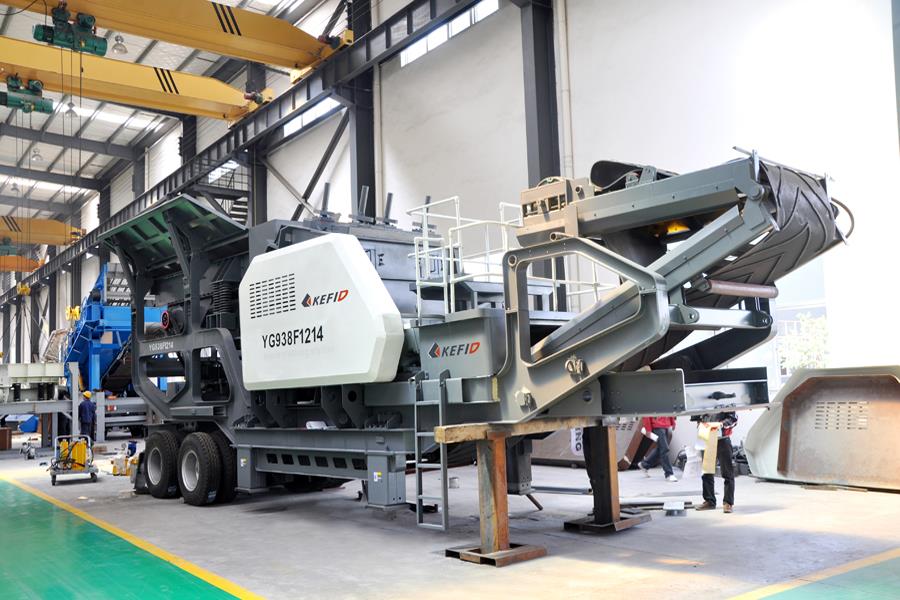
Mobile crushers are highly recommended for construction waste processing
-
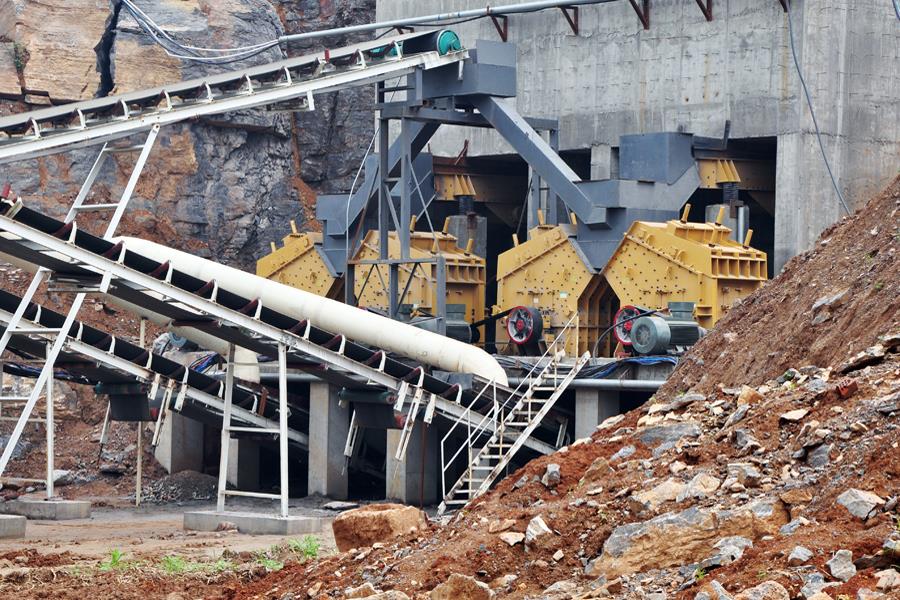
Screening and Washing Stages in Aggregate Production Systems
-
Advantages, Models and Manufacturer Selection for Impact Crushers
-
Equipment Selection for the Third Crushing Stage in Crushing and Sand-Making Lines