As the Philippines accelerates its infrastructure development, from major highway expansions in Luzon to rapid urbanization in Metro Manila and Davao, the demand for high-quality river pebble aggregates has surged. For construction companies, aggregate producers, and concrete batching plants, producing clean, well-graded sand at a capacity of 600 tph is critical.
However, sourcing a 600 tph sand washing plant requires more than just looking at a machine's sticker price. Investors must consider the total landed investment, factoring in local power grids, water availability, inter-island logistics, and the humid tropical climate. This guide explores the costs, configurations, and factory-direct sourcing strategies for river pebble sand washers in the Philippine market.
What Affects the 600 tph River Pebble Sand Washer Price
The cost of a sand washing system is highly variable. River pebbles in the Philippines often contain varying levels of clay, silt, and moisture, requiring robust washing equipment to ensure the final aggregate meets strict construction standards.
| Cost Factor | Effect on Price |
|---|
| Washer Type | Wheel (bucket) washers are cost-effective; spiral washers and fine sand recovery systems add to the cost but offer higher cleaning rates. |
| Circuit Scope | A standalone washer is cheaper. Adding dewatering screens, hydrocyclones, and settling ponds increases the total price. |
| Water Management | Systems with water recycling and sludge dewatering (filter presses) require higher upfront investment but ensure environmental compliance. |
| Mobility | Fixed plants are standard; modular or mobile washing chassis significantly increase the price. |
| Logistics | Shipping to the Philippines, customs clearance, and inter-island transport (e.g., to Cebu or Mindanao) affect the landed cost. |
For market reference, standalone spiral or wheel sand washers from Chinese manufacturers typically range from USD 20,000 to USD 50,000 depending on the model and capacity. However, a complete 600 tph wet processing circuit—including feeders, screens, multiple washers, fine sand recovery, and water treatment systems—represents a much larger total investment. These figures are baseline references and not final quotations for a specific Philippine project.
Standalone Sand Washer vs. Complete Wet Processing Circuit
A standalone sand washer (such as a large wheel or spiral washer) is suitable if your Philippine site already has primary and secondary crushers, vibrating screens, conveyors, and a water management system in place.
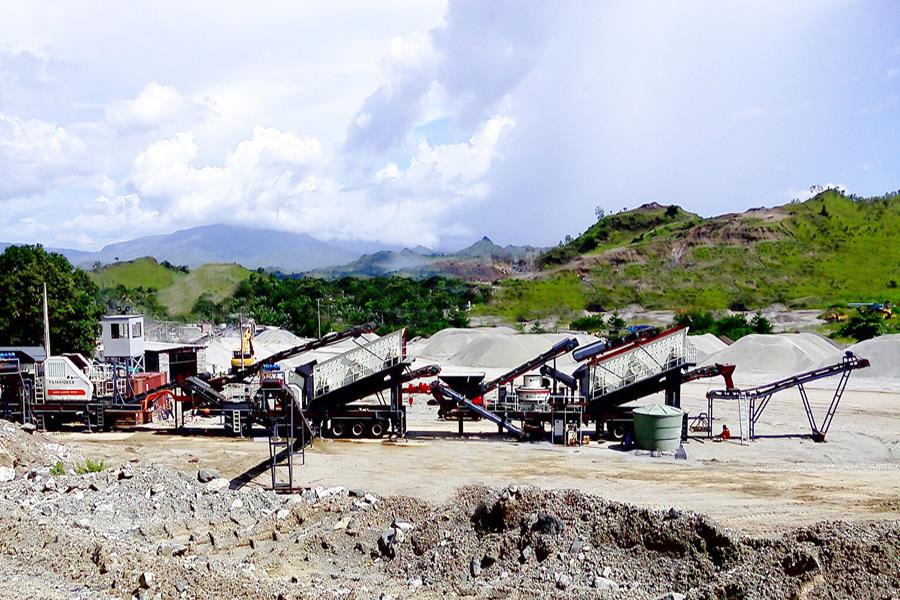
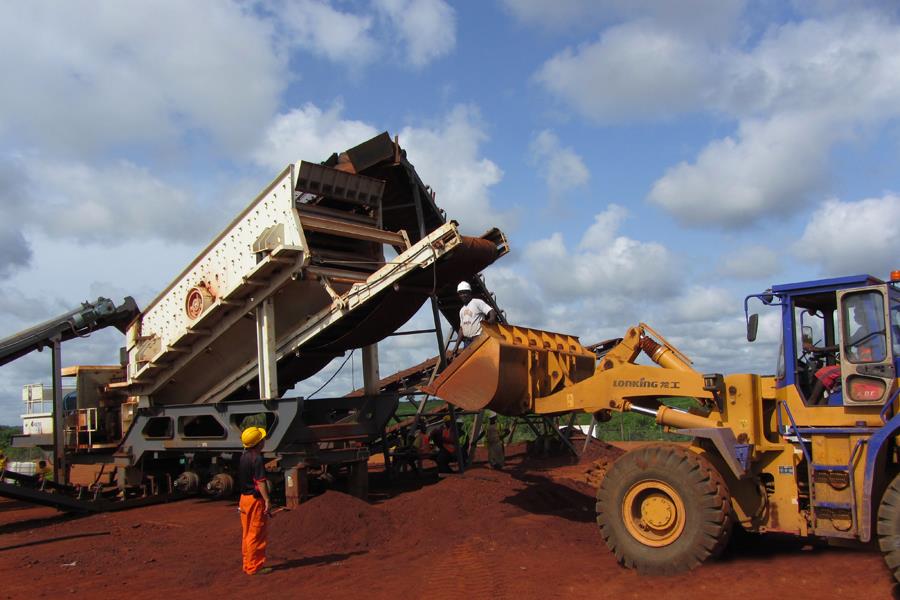
Conversely, a complete wet processing circuit is essential for new aggregate plants. A typical 600 tph river pebble line might include a vibrating feeder, a PE-series jaw crusher for primary crushing, a CS or HP series cone crusher for secondary crushing, a VSI sand maker for shaping, heavy-duty vibrating screens, and a dual-stage washing system (e.g., XL-series wheel washers combined with fine sand recovery machines). While a complete circuit costs more than a single machine, it provides a clear picture of total capital expenditure and ensures the final product grading (e.g., 0-5mm manufactured sand, 5-10mm, 10-20mm aggregates) meets local batching plant requirements.
Choosing the Right Sand Washer for Philippine River Pebbles
River pebbles are naturally rounded but often coated in clay or silt. The choice of washer depends on the target cleanliness and the presence of fine sand.
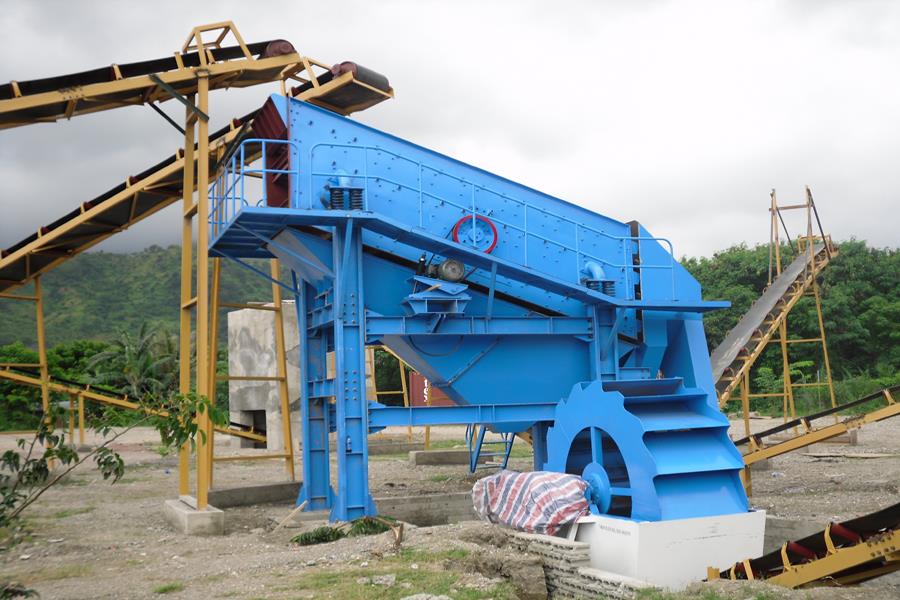
Wheel (Bucket) Sand Washers: Highly water-efficient and ideal for removing light surface clay. They are excellent for producing coarse and medium sand.
Spiral Sand Washers: Offer a higher washing intensity and are better suited for river pebbles with heavier clay content or higher moisture.
Fine Sand Recovery Systems: In the Philippines, fine sand (0-75 microns) is highly valuable for concrete mixing. Adding hydrocyclones and dewatering screens prevents the loss of fine sand into the settling pond, significantly boosting plant profitability.
For a 600 tph capacity, relying on a single washer is usually insufficient. A configuration of two or three large-capacity washers (e.g., XL3600 wheel washers or 2LSX920 double-spiral washers) working in parallel is often recommended to handle the peak feed rate without compromising wash quality.
Fixed Plant vs. Mobile Plant in the Philippines
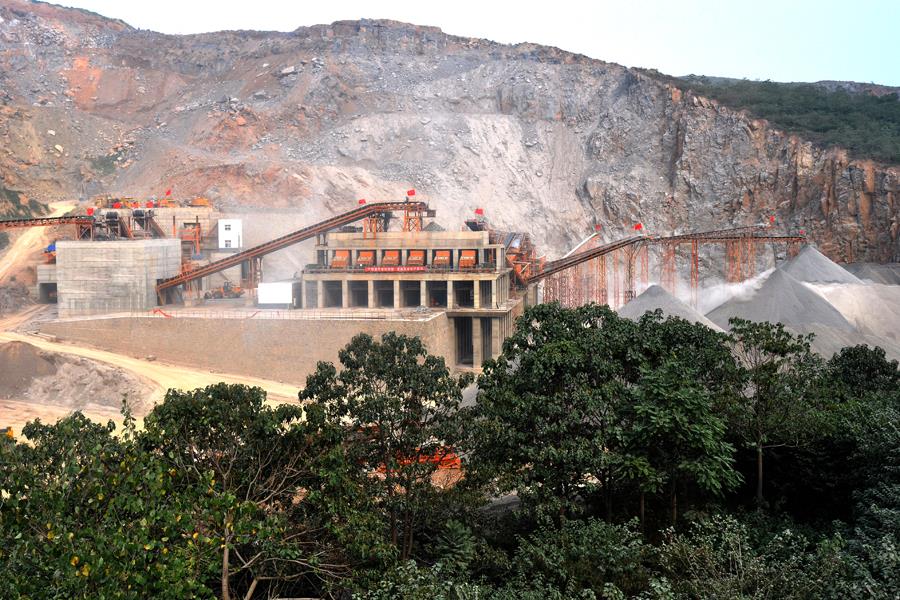
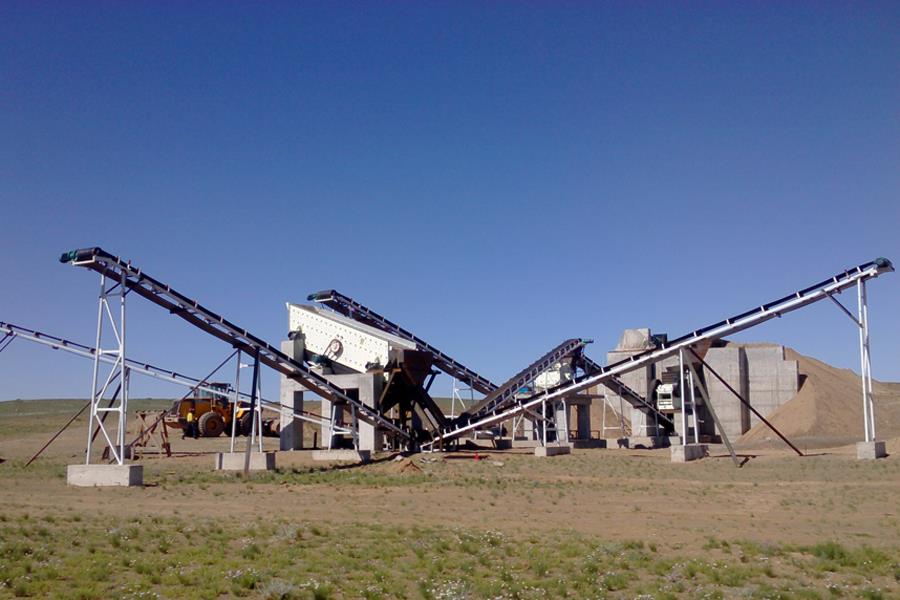
Fixed washing plants are the industry standard for permanent quarries and long-term aggregate supply contracts. They offer stable operation, easier maintenance access, and seamless integration with large settling ponds and water recycling systems.
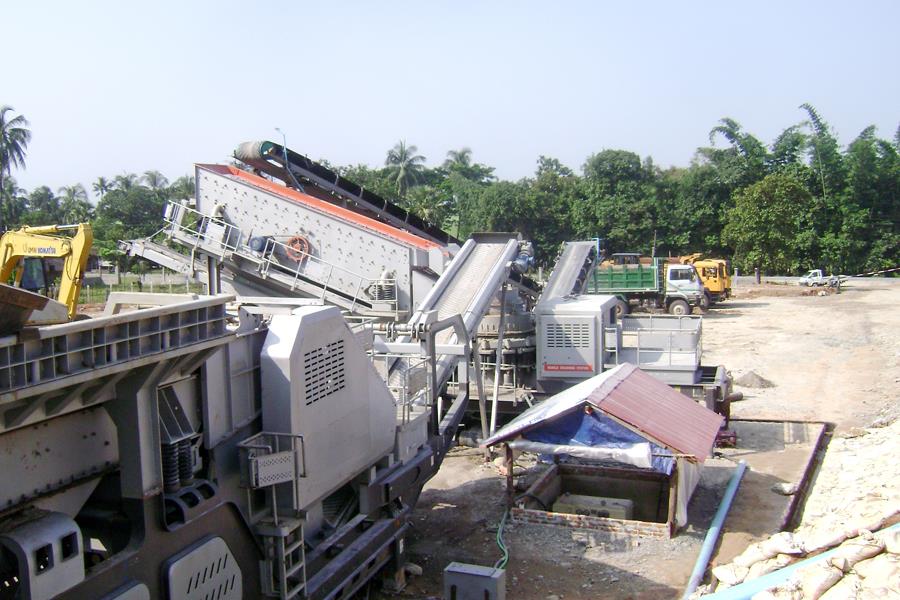
Mobile or modular washing plants are highly effective for contractors working on temporary infrastructure projects, such as building new roads or processing riverbed stockpiles across different islands. They reduce foundation work and can be relocated quickly, but they require careful planning for water supply and power generation in remote areas.
Philippines Site and Logistics Factors
When budgeting for a sand washer in the Philippines, local site conditions must dictate the engineering design:
Logistics & Inter-Island Transport: Transporting heavy machinery to landlocked or island provinces requires careful routing. Customs clearance at ports like Manila, Cebu, or Davao, followed by inland transport, must be factored into the landed cost.
Power Supply: Motor ratings, voltage (e.g., 380V/660V), and starting methods must match the local grid. In remote provincial areas, unstable power may require robust electrical designs or diesel generator backups.
Climate Adaptation: The Philippines' tropical maritime climate means high humidity and frequent heavy rainfall. Electrical panels must have high IP ratings for moisture protection, and structural steel should be treated for corrosion resistance.
Water Management & Environmental Compliance: Dry crushing and wet washing generate significant wastewater. To comply with local environmental regulations, integrating a three-stage settling pond or a filter press system for water recycling and zero-discharge is highly recommended.
How to Get an Accurate Quotation
To receive a precise 600 tph river pebble sand washer quotation, suppliers need more than just a tonnage figure. Providing the following details ensures an optimized solution:
Material type: River pebble, granite, basalt, or mixed alluvial gravel.
Maximum feed size and clay/silt content percentage.
Target product sizes (e.g., 0-5mm sand, 5-10mm, 10-20mm aggregates).
Whether you need a standalone washer or a complete circuit with crushers and screens.
Site power availability and water source details.
Capacity, model selection, and price data are for reference only; please confirm current parameters with customer service.
OCP Mechanical Company is a Chinese direct manufacturer with over 40 years of experience in crushing, screening, and sand washing equipment. We supply wheel and spiral sand washers, fine sand recovery systems, dewatering screens, and complete river pebble processing lines. Because we manufacture directly, customers can discuss material samples, circuit layouts, and spare-part planning directly with our engineering team, ensuring competitive factory-direct pricing without middleman markups.
If you need help setting up a 600 tph river pebble sand washing plant in the Philippines, send us your material type, feed size, target product sizes, and site location. Our customer service team is online 24 hours a day. Click the website chat button to get a free consultation, a preliminary quotation, and expert model selection advice.
Technical data, models, and prices are subject to change; final confirmation shall be made through customer service. Actual performance may vary depending on material characteristics, operating conditions, installation, and maintenance. Price information shown here is for reference only.