As Nigeria experiences rapid urbanization and a massive infrastructure boom, particularly in bustling commercial hubs like Lagos and coastal cities, the demand for high-quality construction aggregates has surged. For quarry operators, civil engineering contractors, and aggregate producers, establishing a reliable 100 tph granite crushing line is a critical step to meeting this market need.
However, investing in a 100 tph jaw crusher in Nigeria requires more than just comparing machine price tags. Investors must calculate the total landed investment, carefully factoring in local power grid stability, port logistics, import duties, and the highly abrasive nature of Nigerian granite. This guide explores the costs, circuit configurations, and factory-direct sourcing strategies for a 100 tph granite jaw crusher in the Nigerian market.
What Affects the 100 tph Granite Jaw Crusher Price
Granite is a hard, highly abrasive rock with high silica content. Crushing it requires a heavy-duty jaw crusher built with robust manganese steel wear parts and a reinforced frame. The pricing for a 100 tph unit is highly variable and depends on several engineering factors.
| Cost Factor | Effect on Price |
|---|
| Crusher Model & Frame | Heavy-duty models (e.g., PE-500×750 or PE-600×900) cost more but handle hard granite safely. |
| Wear Parts | High-manganese jaw plates and toggle plates increase upfront cost but reduce long-term replacement frequency. |
| Circuit Scope | A standalone jaw crusher is cheaper; adding feeders, screens, and conveyors raises the total price. |
| Mobility | Fixed plants are standard; wheeled or tracked mobile chassis significantly increase the price. |
| Logistics & Duties | Shipping to Nigeria, port handling, and customs duties heavily impact the final landed cost. |
For market reference, standalone PE-series jaw crushers capable of handling 100 tph (such as the PE-500×750 or PE-600×900) are generally listed around USD 15,000 to USD 40,000 from Chinese manufacturers. However, a complete 100 tph stationary crushing circuit—including a vibrating feeder, jaw crusher, cone or impact crusher, vibrating screens, and belt conveyors—will represent a much higher total investment, often ranging from USD 50,000 to over USD 100,000 depending on the configuration. These figures are baseline references and not final quotations for a specific Nigerian project.
Standalone Jaw Crusher vs. Complete Crushing Circuit
A standalone jaw crusher is suitable if your Nigerian quarry already has an existing vibrating feeder, conveyors, support structures, and electrical control systems. In this scenario, the jaw crusher is simply dropped in as the primary crushing unit to reduce large granite blocks (up to 500mm) into manageable sizes.
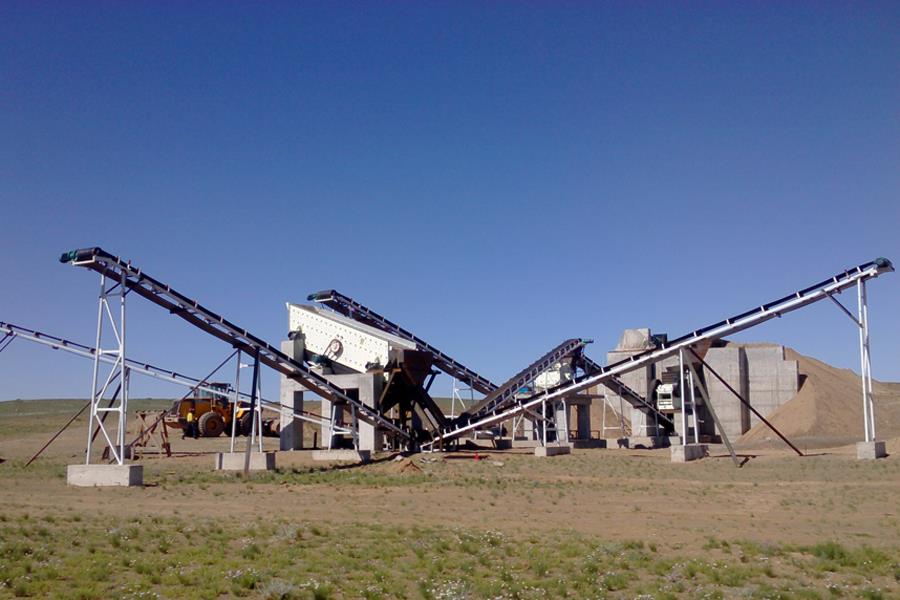
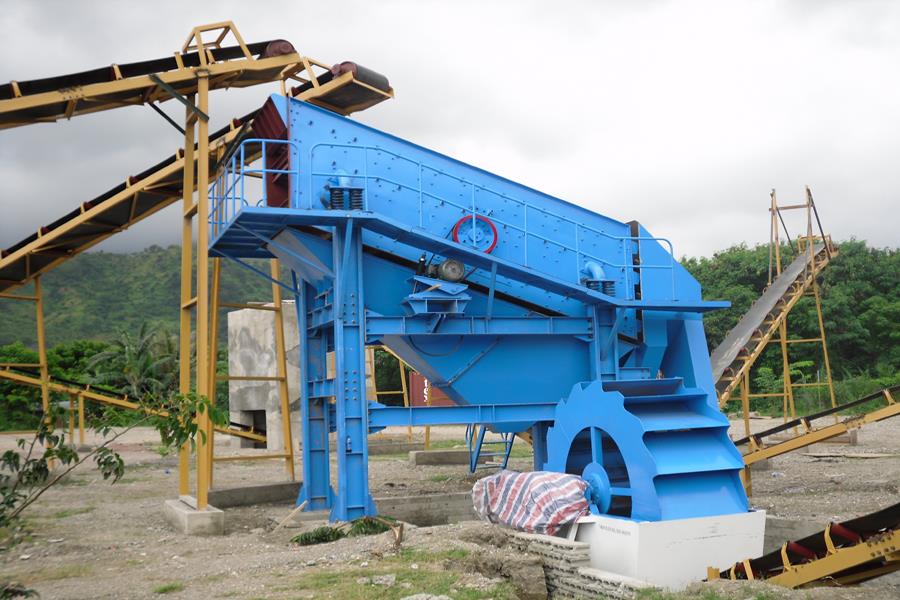
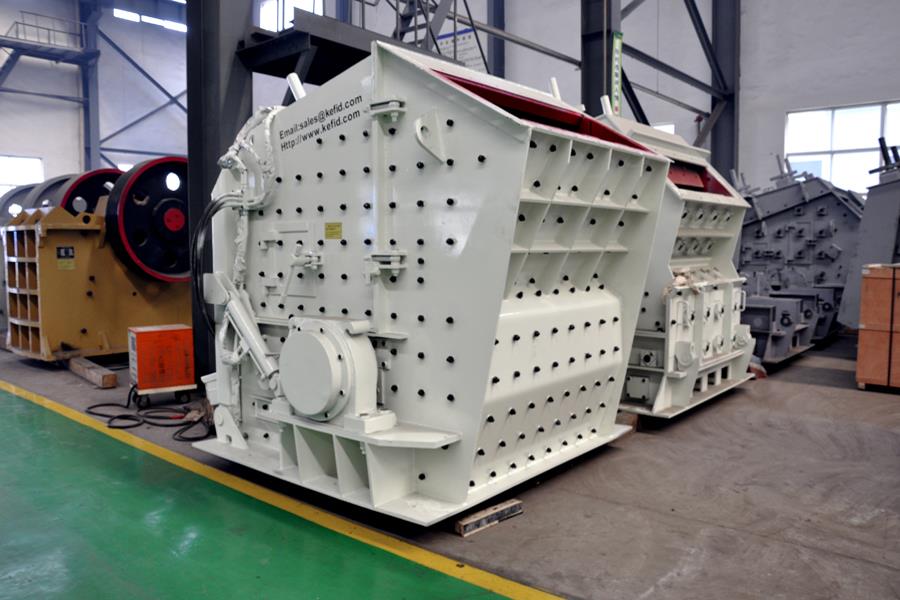
Conversely, a complete crushing circuit is essential for new greenfield quarries or major plant upgrades. A typical 100 tph granite line usually includes a vibrating feeder (e.g., ZSW-380×95), a primary jaw crusher (e.g., PE-600×900), a secondary cone crusher (e.g., CSB160) or impact crusher for shaping, heavy-duty vibrating screens (e.g., 3YK1848), and belt conveyors. While a complete circuit costs significantly more than a single machine, it provides a clear picture of total capital expenditure and ensures the final product grading (e.g., 0-5mm sand, 5-10mm, 10-20mm aggregates) meets the strict requirements of Nigerian road construction and concrete batching plants.
Choosing the Right Jaw Crusher for Nigerian Granite
Nigerian granite, often extracted via drilling and blasting in states like Katsina or Lagos, can produce large, irregular rock fragments with sharp edges. The jaw crusher must be selected based on the maximum feed size from the quarry face and the required discharge setting.
For a 100 tph capacity, the PE-600×900 model is a highly popular choice. It features a large feed opening (up to 500mm), a robust crushing chamber, and a capacity range of 50-150 tph, providing a comfortable buffer for peak granite feed rates. If the granite is exceptionally hard, a heavier model like the PE-750×1060 might be considered to ensure the eccentric shaft and bearings are not overworked.
Fixed Plant vs. Mobile Plant in Nigeria
Fixed crushing plants are the industry standard for permanent quarries and long-term aggregate supply contracts in Nigeria. They offer stable operation, easier maintenance access, and seamless integration with large screens and dust control systems.
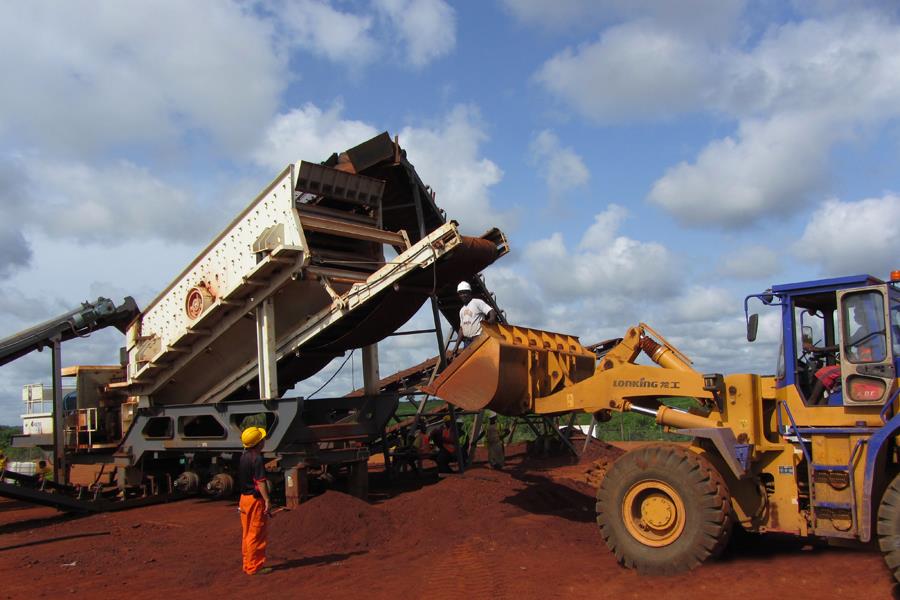
Mobile or portable crushing plants are highly effective for contractors working on temporary infrastructure projects, such as building new highways or processing scattered stone deposits across different states. They reduce foundation work and can be relocated quickly, but they require careful planning for power generation and wear-part supply in remote areas.
Nigeria Site and Logistics Factors
When budgeting for a jaw crusher in Nigeria, local site conditions must dictate the engineering design and financial planning:
Logistics & Customs: Transporting heavy machinery to Nigeria requires careful routing. Customs clearance at major ports like Apapa (Lagos) or Onne (Port Harcourt), followed by inland transport, must be factored into the landed cost. Import duties, VAT, and port handling fees can add 20% to 35% to the machine's FOB price.
Power Supply: Motor ratings, voltage, and starting methods must match the local grid. In remote provincial areas where grid power is unstable, plants equipped with dual-power systems (capable of switching between grid electricity and onboard diesel generators) provide a necessary safety net.
Climate Adaptation: Nigeria's tropical climate means high humidity and heavy rainfall in the south, or extreme heat and dust in the north. Electrical panels must have high IP ratings for moisture and dust protection, and structural steel should be treated for corrosion resistance.
Dust Control: Dry crushing of highly abrasive granite generates significant silica dust. Enclosed transfer points and pulse-jet dust collectors are essential for environmental compliance and worker safety.
How to Get an Accurate Quotation
To receive a precise 100 tph granite jaw crusher quotation, suppliers need more than just a tonnage figure. Providing the following details ensures an optimized solution:
Material type: Granite, basalt, limestone, or laterite.
Maximum feed size from the quarry face or dump truck.
Target product sizes (e.g., 0-5mm, 5-10mm, 10-20mm) and required capacity.
Whether you need a standalone jaw crusher or a complete circuit with feeders, screens, and conveyors.
Site power availability and voltage.
Capacity, model selection, and price data are for reference only; please confirm current parameters with customer service.
OCP Mechanical Company is a Chinese direct manufacturer with over 40 years of experience in crushing, screening, and mineral processing equipment. We supply PE-series jaw crushers, cone crushers, impact crushers, vibrating screens, and complete granite crushing lines. Because we manufacture directly, customers can discuss material samples, circuit layouts, and spare-part planning directly with our engineering team, ensuring competitive factory-direct pricing without middleman markups.
If you need help setting up a 100 tph granite jaw crushing plant in Nigeria, send us your material type, feed size, target product sizes, and site location. Our customer service team is online 24 hours a day. Click the website chat button to get a free consultation, a preliminary quotation, and expert model selection advice.
Technical data, models, and prices are subject to change; final confirmation shall be made through customer service. Actual performance may vary depending on material characteristics, operating conditions, installation, and maintenance. Price information shown here is for reference only.