
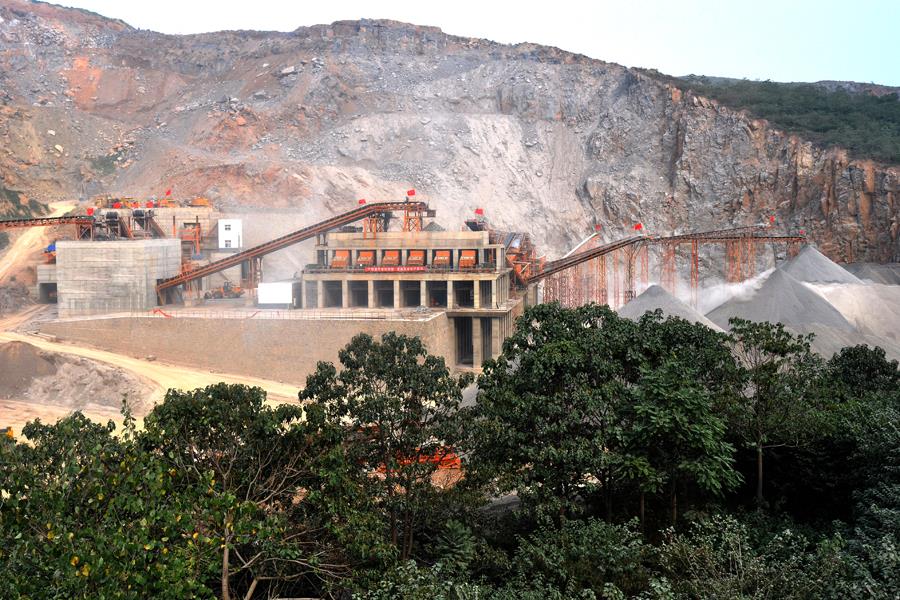
Choosing a 700 tph Basalt Mobile Plant in Indonesia
Choose the transport concept first
Choosing a mobile crushing plant for 700 tph basalt in Indonesia starts with the transport concept, not the crusher model. At this tonnage the machine count, the frame type and how the plant moves between sites decide most of the cost and most of the problems. Basalt adds its own pressure: hard, abrasive, and unforgiving to a wrong chamber. Choosing a 700 tph basalt mobile crushing plant in Indonesia is a layout and relocation decision before it is a purchase decision.
Trailer, track or skid
A trailer-mounted plant moves quickly on paved roads and costs less, but it is honest up to roughly 250 tph. A track unit climbs plantation roads and walks itself into the face, working to around 400 or 500 tph before frames and tracks stop making sense. At 700 tph the practical answer is a modular skid arrangement: transportable modules, a crane at each end, bolting and alignment per move. In Indonesia those modules then travel by barge or RoRo between islands. Pick the concept from your relocation frequency and access road, not from the word mobile.
Circuit for basalt: compression first
Basalt is hard and abrasive, so the durable circuit is a primary jaw followed by a cone or two in closed circuit with screens. Impactors suit less abrasive rock or a shaping stage at the end; on hard basalt their bars spend fast. Describe the rock's hardness and silica before the supplier recommends the crusher mix. A mobile plant built on a limestone reference will show the wear gap inside the first year.
Feed size and crusher stages
List the largest lump after blasting, the feed distribution and the required product fractions. A 700 tph line usually runs two primary units in parallel where feed is coarse, then a secondary or tertiary stage behind them. The jaw takes the run-of-mine lump; the cone produces the controlled P80 for sale or the next process. Require capacity stated at your closed-side setting, on your basalt, not the top of the datasheet range.
Relocation frequency and module weights
Ask how often the plant will move: once a season, once a month, or between quarries by barge. Each move costs transport, crane hire, re-alignment and a few days of lost production. The module list with weights and dimensions decides whether the move works on your roads and your crane. Hydraulic folding frames and quick-connect conveyors save time per move but add capital; they pay back only if moves are frequent.
Basalt wear and the liner plan
Basalt spends manganese and steel faster than limestone. The proposal should carry liner alloy, liner weight and an expected interval in tonnes, even if consumables are priced separately. Work cost per tonne: price per set divided by tonnes delivered before the setting opens past specification. Order the first wear set with the machine; an island plant waiting on a six-week sea and barge journey waits on the spares too.
Layout on soft, wet ground
Indonesian sites often sit on laterite or alluvial soil, wet through much of the year. The module layout needs level, compacted bearing areas, drainage away from the plant, and access for the crane and lowbed or barge loading. Keep the control position and electrical cabinet off the low ground and out of the dust line. Monsoon rain and humidity ask for enclosure rating and paint suited to tropical duty.
Power and the electrical package
The grid runs 50 Hz at 220 and 380 V; confirm motors and panels are built for that rather than adapted. State the starting method for the largest drive — soft starter or VFD — and the protection scheme. Where a generator carries the plant, size it for the starting current and estimate fuel per hour at the duty. Voltage sag trips a large cone or jaw harder than a small screen, so the electrical package belongs in the selection, not the afterthought.
Supplier check before the shortlist
Ask for a reference mobile or modular plant on hard rock at 600 tph or above, with liner intervals and move history attached. Confirm how spares reach your island: Tanjung Priok or Perak for Java, Belawan for Sumatra, Makassar for the east. Ask who commissions the plant and what support response the price includes. A supplier who cannot describe the relocation route has only quoted the machines.
Budget envelope
A 700 tph basalt modular mobile arrangement lands roughly between USD 600,000 and 1.15 million depending on machine count, screening module, generator and electricals. Screens, conveyors, structure and civils sit outside the machine price. Prices are indicative and for reference only. Price the first two wear packs and a bearing kit into the operating budget; basalt will consume them inside the first year of two-shift running.
How OCP sizes the concept with you
OCP Mechanical Company has built crushing equipment for more than 40 years: jaw and cone crushers, impact and VSI machines, feeders, vibrating screens, sand washers and complete mobile and stationary lines for aggregate and metal ores. We size the concept, circuit and module list against your relocation plan and feed, ship direct from the factory, and agree the spares route before commissioning. Choosing a 700 tph basalt mobile crushing plant in Indonesia becomes a shortlist once the access road and move frequency are fixed.
Send the lump size, the fractions and the island
Give us your basalt description, max lump, target fractions, site island or province, move frequency and power arrangement, and we will return two modular layouts with module weights and a delivered price, free of charge. The chat button on this site reaches an engineer 24 hours a day. Choosing a 700 tph basalt mobile crushing plant in Indonesia rests on the transport concept and the wear plan, not on the badge. Capacity and price figures above are indicative and updated continuously.
Notes: Actual results vary with material characteristics, operating conditions, installation and maintenance practice. OCP Mechanical Company reserves the right to update technical data and prices. All prices and parameters above are for reference only — confirm final figures with our team.
-
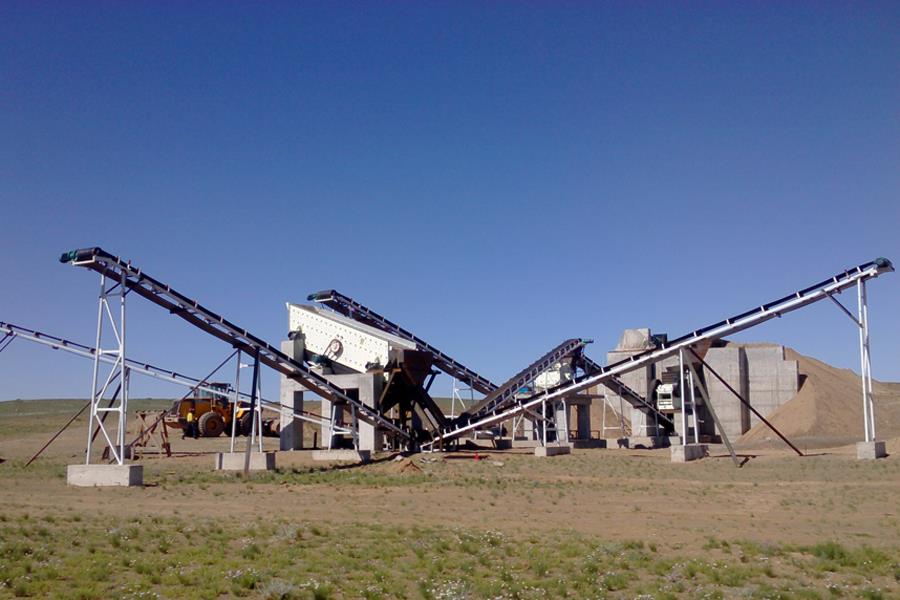
100 tph Granite Jaw Crusher Price & Direct Manufacturer Guide for Nigeria
-
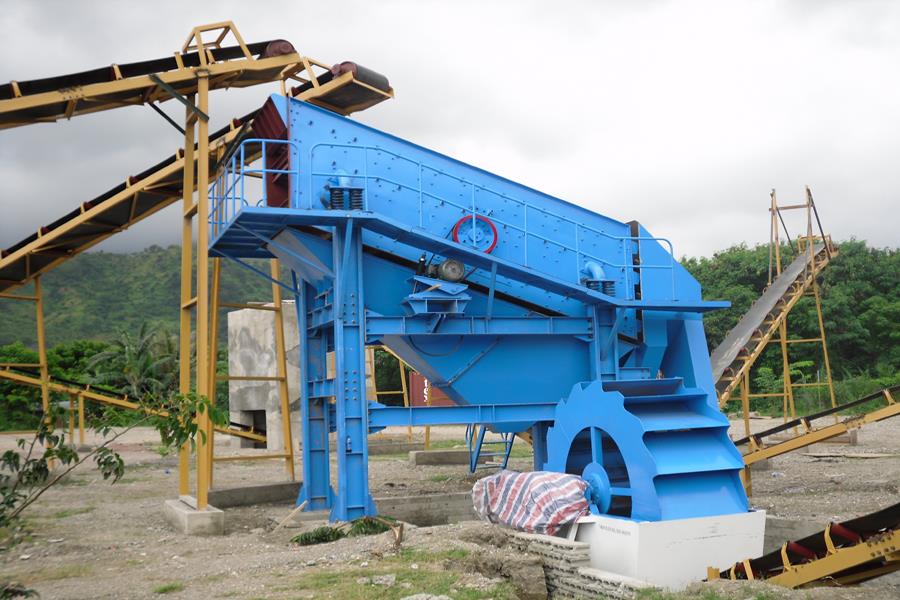
Mining Rights Consolidation Crusher Supplier Nigeria: Equipment Planning for Fewer, Larger Mines
-
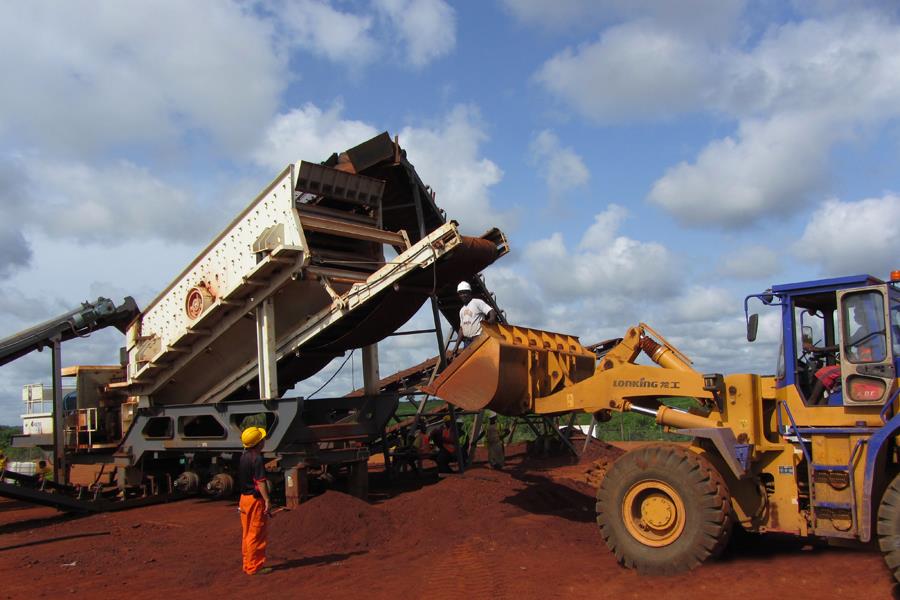
Requesting a 700 tph Granite Mobile Plant Quote in Indonesia
-
300 tph Manganese Ore Impact Crusher: Factory Direct Pricing & Buyer's Guide for Zambia
-
Closed-Pit Limestone Mine Crusher Supplier Nigeria: Planning for 9.8-Year Quarry Terms