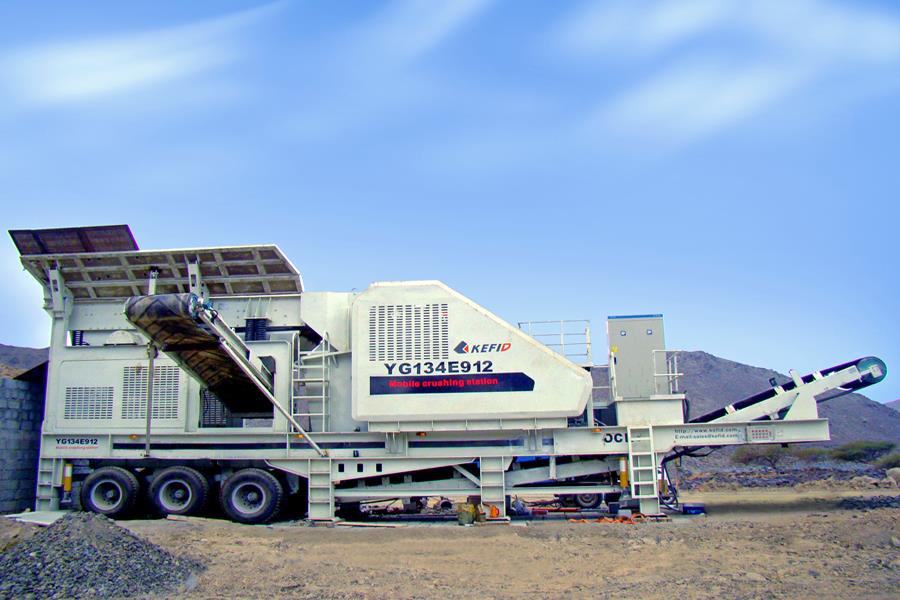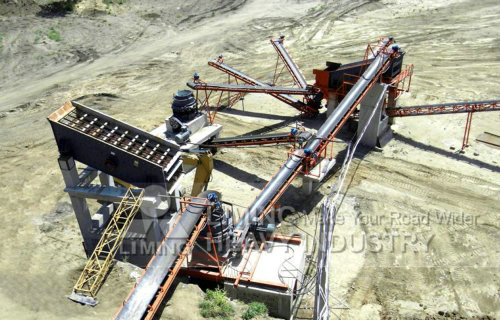
120 TPH Bauxite Mobile Crushing Plant Cost in Guinea
Guinea's Bauxite Expansion Is Creating a New Kind of Equipment Demand
Guinea's bauxite sector is not simply growing. It is being rebuilt at scale, and the pace has surprised even seasoned observers. National production is projected to reach 207.3 million tonnes in 2026, an 18.5% increase, driven by the restart of the Tinguilinta project under full state ownership, the reactivation of the AGB2A-GIC and AGB2A SDM mines, and the return of the idled Bel Air operation. First-quarter output alone jumped 25%, and exports for the first half of 2026 hit a record 114.8 million tonnes, up 15% year-on-year.
That volume moves through crushing circuits. For an operator planning a 120 TPH bauxite mobile crushing plant in Guinea, the equipment decision is not only about throughput. It is about whether the plant can survive the conditions it will operate in — high moisture, poor haul roads, unstable power, and a rainy season that can stretch for months.
Bauxite Is Not Limestone, and Guinea's Bauxite Is Not Uniform
Crushing bauxite in Guinea is a different problem from crushing limestone in a European quarry. The ore is not especially hard, but it is sticky when wet and can carry a moisture content that causes conventional crushing chambers to pack and choke. The Boke, Boffa, and Kindia regions are the main production zones, and new or expanding projects in those areas typically require primary crushing equipment in the 200 to 500 tonnes per hour range.
That capacity range does not match a 120 TPH specification. It is larger. The point is that a 120 TPH plant in Guinea is typically a secondary or satellite unit, feeding a larger circuit or serving a specific pit that is too far from the main plant to justify hauling raw ore. The plant needs to be mobile because the pits move. It needs to be rugged because the roads do not. And it needs to tolerate moisture that would blind a screen designed for dry European limestone.
Why Mobile Crushing Has Become the Default Choice in Guinea
Fixed crushing lines require foundations, stable power, and road access for construction crews. In Guinea's bauxite belt, all three are uncertain. The rainy season can make unpaved haul roads impassable for weeks. The grid does not reach every mining lease. And building a permanent plant at a pit that may be exhausted in three years does not make financial sense.
This is why crawler mobile crushing plants and tire-type mobile crushing plants have become the go-to choice for many operators in the Boke, Boffa, and Kindia regions. A tracked plant integrates feeding, crushing, screening, and conveying on a single chassis. It can be driven to the working face, set up on compacted laterite, and start producing without concrete foundations. When the pit advances, the plant moves with it. When a new pit opens, the plant relocates. The capital cost is higher per tonne of capacity than a fixed plant, but the operational flexibility is worth more than the difference.
What a 120 TPH Mobile Bauxite Plant Actually Costs
Equipment pricing for a mobile crushing plant in this capacity class depends on the chassis, the crusher configuration, and whether a screening unit is integrated. A basic 100 TPH mobile jaw crushing station in the Guinean market has been procured at approximately USD 380,000 for a single unit, based on a recent tender for Chalco's Boffa expansion project. That figure reflects a single crusher on a chassis, not a complete plant.
A complete 120 TPH mobile crushing and screening train — including feeder, primary jaw crusher, secondary cone or impact crusher, vibrating screen, and discharge conveyors — typically falls in the USD 250,000 to USD 550,000 range, depending on the level of automation and the wear part specification. Tracked units sit at the higher end; wheel-mounted units at the lower end. The table below gives an indicative breakdown.
| Component | Indicative Price (USD) | Notes |
|---|---|---|
| Mobile jaw crusher station | 180,000 – 280,000 | Tracked chassis, grizzly feeder |
| Mobile cone or impact station | 120,000 – 220,000 | Secondary crushing |
| Mobile screening unit | 80,000 – 150,000 | Multi-deck, PU panels |
| Conveyors and transfer chutes | 30,000 – 60,000 | Sized to full flow |
| Control and monitoring panel | 15,000 – 35,000 | PLC-based, optional remote |
| Dust suppression | 12,000 – 30,000 | Spray bars, enclosed points |
Reference pricing only. Actual quotations depend on final configuration, shipping terms, and optional features. Please confirm current pricing with our online customer service.
Freight to Conakry or the Boké river ports, inland transport to the mine, and commissioning add a further layer. Guinea's import duty structure and the documentation requirements for mining equipment should be confirmed with a local clearing agent before the order is placed.
The Moisture Problem: Why Standard Screens Fail
Guinean bauxite is not dry. Even in the dry season, material builds up in transfer chutes and requires cleaning. Once the rains arrive, the feed can carry enough moisture to turn a conventional vibrating screen into a solid panel. Fines agglomerate, apertures blind, and throughput drops to a fraction of rated capacity.
For a 120 TPH mobile plant in Guinea, the screen specification matters as much as the crusher. Flip-flow screens with polyurethane panels are the practical answer for wet, sticky bauxite. The elastic panels flex through high-frequency cycles, ejecting adhering material rather than letting it pack. The alternative is a plant that stops every few hours for manual cleaning, which defeats the purpose of a mobile unit designed for continuous operation.
Matching the Crusher to the Feed
Bauxite's compressive strength is moderate, which means a jaw crusher is the appropriate primary stage. A PE750×1060 jaw crusher paired with an HPT300 cone crusher is a documented configuration for a 200 TPH bauxite line in Guinea, with a feed size of 600 mm. For a 120 TPH plant, a smaller jaw — the PE600×900 class — is generally sufficient, paired with a cone or impact crusher for secondary reduction.
The choice between cone and impact for the secondary stage depends on the product specification. If the plant is producing a sized product for export, a cone crusher delivers more consistent gradation and lower fines generation. If the plant is feeding a washing circuit, an impact crusher may be acceptable and lower in capital cost. The decision should be driven by the downstream process, not by preference.
Power Supply and the Case for Diesel-Electric
Guinea's grid does not reach every mining lease, and where it does reach, it is not always stable. Mobile plants in the bauxite belt are typically diesel-powered, but the drive configuration matters. A diesel-electric plant consumes less fuel per tonne than a diesel-hydraulic plant, particularly when the crusher is running at partial load. The electric drive also simplifies maintenance, because there are fewer hydraulic circuits to leak and fewer hoses to replace.
For a 120 TPH plant running two shifts, the fuel savings from a diesel-electric configuration can be substantial over a year of operation. The higher upfront cost is recovered in operating expenses.
How OCP Mechanical Company Supports Guinean Bauxite Operations
OCP Mechanical Company has manufactured mining and processing equipment for over 40 years. We build mobile jaw crushers, mobile cone crushers, mobile impact crushers, vibrating screens, feeders, and complete mobile crushing and screening plants. For a 120 TPH bauxite operation in Guinea, our engineering team can configure the plant around your specific feed moisture, your target product, and your site conditions — whether that means a tracked chassis for poor roads, a flip-flow screen for wet feed, or a diesel-electric drive for fuel efficiency.
Because we sell direct from our factory, there is no distributor margin in the price. Our technical team works with you on the layout and equipment selection rather than handing over a catalogue. And our online customer service team is available 24 hours a day to discuss specifications, provide updated pricing, and help you work out which configuration suits your site. If you are evaluating a bauxite crushing project in Guinea, click the chat button and start the conversation.
-
How to Reduce Energy Consumption of VSI for Granite 200 TPH in Brazil
-
140 TPH Cobalt Ore Cone Crusher for Sale in Democratic Republic of Congo
-
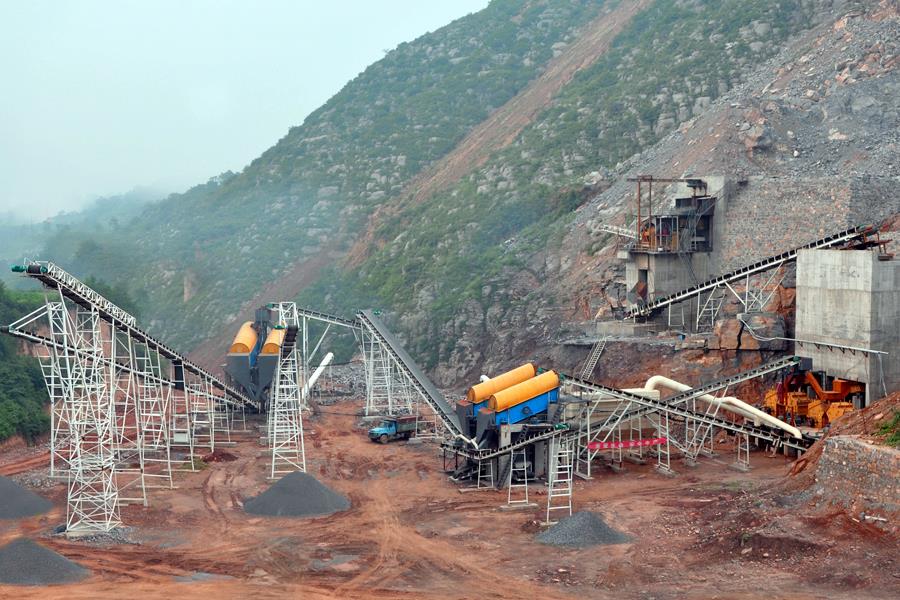
70 TPH Gypsum Mobile Crushing Line Price in Mexico City Mexico
-
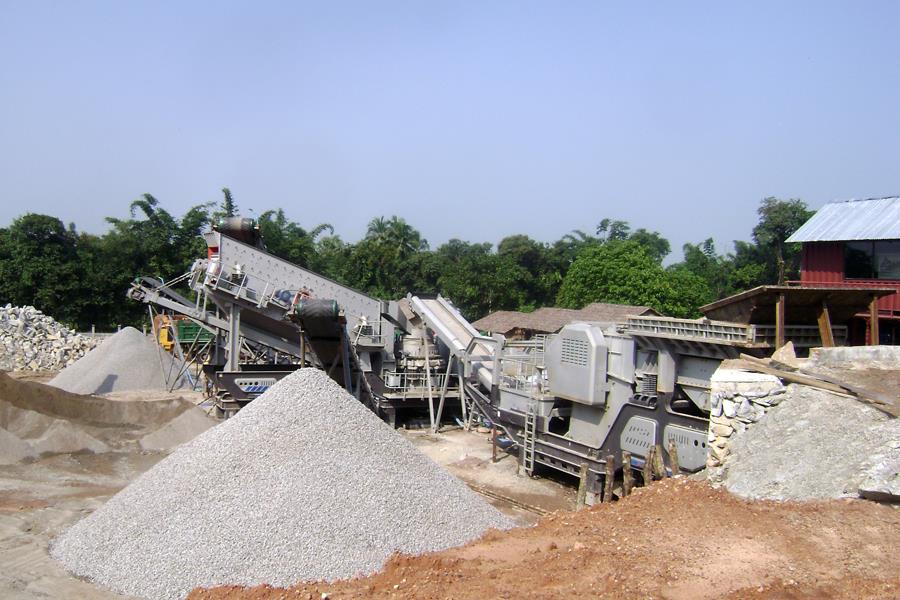
What Affects the Capacity of a Jaw Crusher for River Pebble 120 TPH
-