
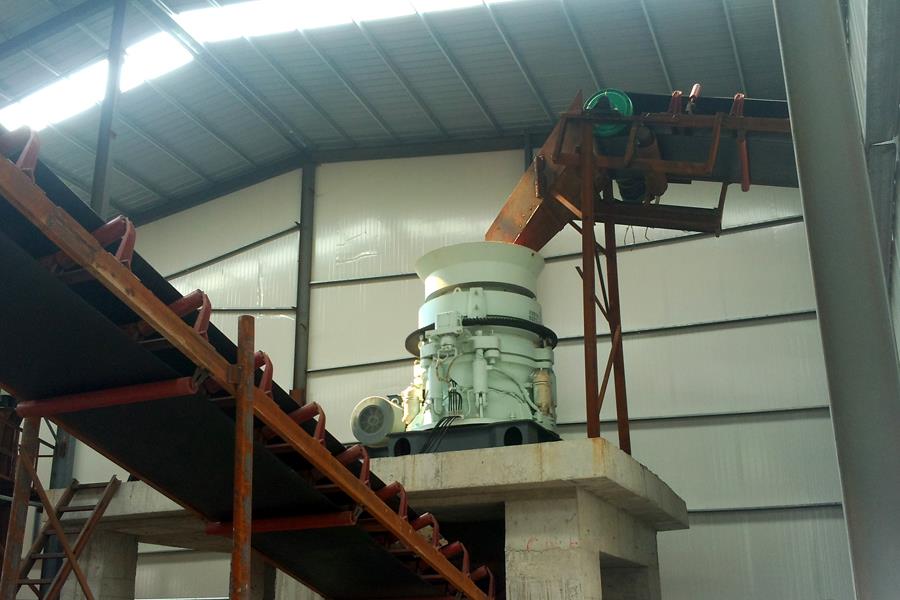
How to Reduce Energy Consumption of VSI for Granite 200 TPH in Brazil
Brazil‘s Granite Sector: A Market of Global Significance and Rising Energy Costs
Brazil ranks among the world’s top granite producers, with the ornamental stone sector generating approximately US$1 billion annually and producing 9 million tons per year. The country is the 4th largest natural stone producer globally, accounting for 7% of world production in the stone sector. The Brazil Stone Crushing Equipment Market was estimated at USD 213 million in 2025 and is projected to reach USD 253 million by 2032. For operators processing granite at 200 TPH in this competitive market, energy consumption represents one of the largest operating cost components—and one of the most controllable. A VSI crusher typically consumes between 0.8 and 1.4 kWh per ton, meaning a 200 TPH operation can consume approximately 160–280 kWh per hour of operation. Understanding how to reduce energy consumption of VSI for granite 200 TPH in Brazil is not merely a technical consideration—it is a strategic priority that directly impacts cost per ton, plant profitability, and environmental compliance in an increasingly energy-conscious market.
Why VSI Energy Efficiency Matters for Brazilian Granite Operations
Granite is one of the hardest and most abrasive rocks processed in Brazilian quarries, with a compressive strength typically ranging from 150 to 300 MPa and a Mohs hardness of 6 to 7. This hardness means that crushing granite requires significant energy input. VSI crushers are widely used for tertiary crushing and manufactured sand production because they produce consistent, cubical aggregates that meet the stringent requirements for concrete and asphalt. However, the energy consumption of a VSI crusher can vary significantly based on operating parameters, feed characteristics, and maintenance practices. For a 200 TPH granite VSI crusher in Brazil, even a 10% reduction in specific energy consumption can translate to substantial annual savings—particularly given Brazil‘s industrial electricity costs, which have risen in recent years. Moreover, with the Brazil mining machinery and equipment market projected to grow at a CAGR of 5.9% through 2032, operators who invest in energy-efficient VSI technology are positioning themselves for long-term competitiveness in an expanding market.
Optimise Rotor Speed: Finding the Energy Efficiency Sweet Spot
Rotor speed is the single most influential parameter affecting VSI energy consumption. Research has shown that energy consumption per unit of sand product is minimised at an impact velocity of approximately 60 m/s. Operating above or below this optimal speed increases energy consumption per tonne. For granite processing, reducing the rotor speed from 1,450 rpm to 1,200 rpm can lower current draw by 18–22%, while crushing efficiency decreases by only 3–5%. This represents a compelling trade-off: a modest reduction in throughput for a significant reduction in energy cost. For a 200 TPH operation, this could translate to energy savings of 15–20% without substantially impacting production targets. The optimal rotor speed depends on feed size, material hardness, and desired product gradation. Operators should conduct controlled trials at different rotor speeds to identify the “sweet spot” for their specific granite feed—balancing energy consumption against product quality and throughput. All model data are under continuous R&D; please contact our online team for the latest specifications tailored to your application.
Variable Frequency Drives: Dynamic Energy Management for Variable Loads
Variable Frequency Drives (VFDs) are one of the most effective technologies for reducing VSI energy consumption. VFDs allow the motor speed to be adjusted in real time based on feed rate and material hardness, rather than running at a fixed speed regardless of load. Modern granite crushers increasingly incorporate IE3/IE4 efficiency motors with VFDs to reduce power consumption during partial loads and start-up. For a 200 TPH granite VSI crusher in Brazil, a VFD can deliver energy savings of 15–25% during periods of reduced feed or when processing softer material. The load-sensing system dynamically adjusts feeder speed to maintain optimal motor load, reducing energy spikes and improving overall efficiency. VFDs also reduce mechanical stress on the crusher during start-up, extending component life and reducing maintenance costs. The payback period for VFD installation is typically 12–24 months, making it one of the most cost-effective energy efficiency investments available for VSI operations.
Feed Size Optimisation: Smaller Feed, Lower Energy Consumption
Feed particle size has a direct impact on VSI energy consumption. Research has demonstrated that the smaller the primary particle size, the lower the energy consumption per unit of sand produced. This principle is particularly relevant for granite operations, where primary crushing can be optimised to produce a finer feed for the VSI. By reducing the VSI feed size through adjustments to the primary jaw crusher setting or the addition of a secondary cone crusher, operators can significantly reduce the energy required for shaping and sand production. For a 200 TPH granite VSI crusher, reducing the feed top size from 50 mm to 30 mm can lower specific energy consumption by 10–15% while maintaining or improving product quality. The trade-off is increased load on the primary and secondary crushing stages—a balance that must be evaluated based on overall plant energy consumption and operating costs. Operators should conduct a full plant energy audit to identify the optimal feed size configuration for their specific circuit.
Rotor Design and Wear Part Selection: Technology That Delivers Efficiency
The design of the VSI rotor and the selection of wear parts significantly influence energy efficiency. Deep-cavity rotor designs improve material throughput and crushing efficiency while reducing energy consumption. Patented rotor designs that optimise material impact angles can enhance crushing efficiency and reduce power consumption by up to 20%. The “rock-on-rock” crushing principle—where particles impact each other rather than metal surfaces—is inherently more energy-efficient than “rock-on-metal” crushing, while also reducing wear part consumption. For granite operations in Brazil, selecting the right combination of rotor design, wear material, and operating parameters can deliver significant energy savings. High-chrome wear parts with ceramic inserts offer extended service life and consistent performance, reducing the frequency of shutdowns for maintenance—a factor that indirectly improves energy efficiency by maximising productive operating hours. All product specifications are continuously updated; please consult our online customer service for the latest technical parameters tailored to your application.
Intelligent Control Systems: Real-Time Optimisation for Minimum Energy Consumption
PLC-based intelligent control systems enable real-time monitoring and optimisation of VSI performance. These systems consolidate operational data—crusher load, motor amperage, bearing temperatures, and feed rate—into a single user interface, allowing operators to adjust parameters dynamically to maintain minimum energy consumption. Predictive maintenance capabilities identify potential issues before they lead to efficiency losses, while automated load balancing ensures the crusher operates at its most efficient point across varying feed conditions. For a 200 TPH granite VSI crusher, an intelligent control system can reduce energy consumption by 5–10% through optimised rotor speed, feed rate, and cascade control. The system also provides data for continuous improvement, enabling operators to track energy performance over time and identify opportunities for further efficiency gains. With energy costs representing a significant portion of operating expenses, investing in intelligent control technology delivers measurable ROI through reduced power consumption and improved plant availability.
OCP Mechanical Company: Factory-Direct VSI Solutions for Brazil‘s Granite Sector
With over 40 years of manufacturing experience and exports to more than 180 countries and regions worldwide, OCP Mechanical Company brings proven expertise to Brazil’s expanding granite processing sector. Our product range includes VSI crushers with advanced rotor designs, variable frequency drives, intelligent control systems, and complete crushing and screening plants—all brand-new and built to rigorous quality standards. We understand the specific requirements of Brazilian granite operations: equipment must handle hard, abrasive material while delivering consistent product quality and minimising energy consumption. As a direct factory manufacturer, we eliminate distributor margins, passing the savings directly to you. This is particularly valuable in the Brazilian market, where import costs and logistics can add significant expense to capital equipment purchases. All price information provided is for reference only; final quotes depend on equipment configuration, shipping terms, optional features, and current exchange rates. Our engineering team works closely with each customer to design custom VSI plants that match specific site conditions, feed characteristics, and production targets—ensuring you achieve the lowest possible energy consumption per tonne. Product specifications are continuously updated; please consult our online customer service for the latest technical parameters tailored to your application.
Complete VSI Solutions and After-Sales Support for Brazilian Operations
A VSI crusher is most effective when integrated into a complete processing line. OCP Mechanical Company supplies complete crushing and screening plants that include vibrating feeders, primary jaw crushers, secondary cone crushers, VSI crushers with energy-optimised configurations, and vibrating screens for classification. Every component is matched to the capacity of your 200 TPH granite VSI crusher, preventing bottlenecks and ensuring smooth continuous operation across multiple shifts. Our after-sales support includes remote diagnostics, spare parts delivery, and wear-part prediction services to minimise downtime and extend equipment life. With Brazil‘s crushing equipment market projected to grow steadily through 2032, ensuring your VSI crusher operates at peak energy efficiency is essential to capitalising on market opportunities. Our team is available to assist with installation supervision, commissioning, and ongoing operational questions. With a 40-year track record of reliability and customer satisfaction, we have built lasting relationships with clients across the globe—relationships based on trust, performance, and mutual success.
Your Next Step: Get Expert Energy Efficiency Guidance and a Custom Quote
Brazil‘s granite sector continues to expand, driven by domestic construction, export markets, and infrastructure development. For operators processing granite at 200 TPH, reducing VSI energy consumption is a proven path to lower operating costs, improved profitability, and enhanced environmental performance. OCP Mechanical Company offers factory-direct, high-quality VSI crushers and complete crushing and screening solutions engineered for durability, energy efficiency, and low total cost of ownership—all at competitive prices. Our online customer service is available 24 hours a day, seven days a week, to provide free consultations, updated price references, and equipment selection guidance. Click the chat button now to discuss your project with a specialist—we are ready to help you build a more efficient and profitable granite processing operation in Brazil.
-
NMS Shifts Strategy from Capacity Expansion to Overseas Service Network
-
Metso Unveils Fully Electric Lokotrack EC Crushers with LT400J and LT350C
-
140 TPH Cobalt Ore Cone Crusher for Sale in Democratic Republic of Congo
-
Construction Aggregates Market Forecast to USD 689.55 Billion by 2033
-
60-80 TPH Gypsum Mobile Crushing Line Price in Mexico City Mexico



