
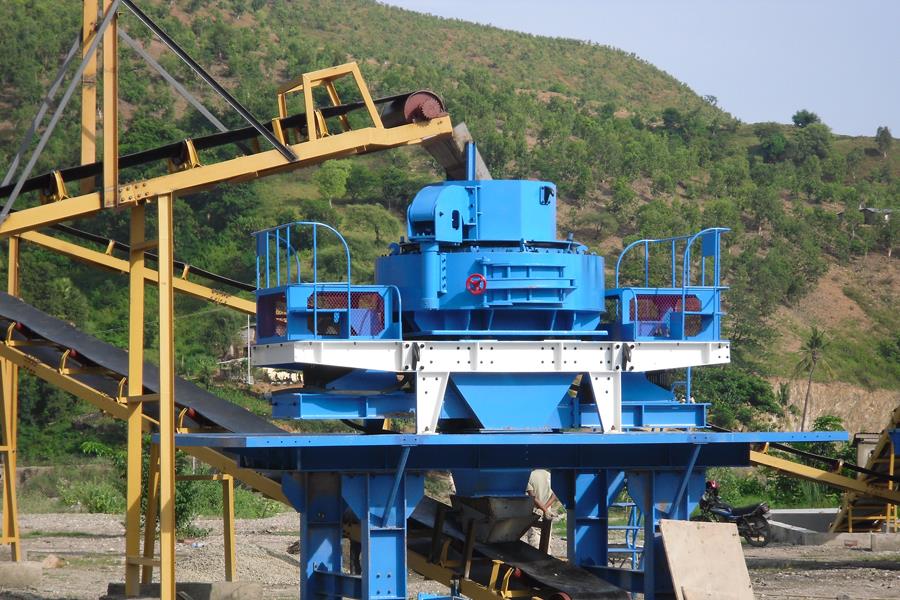
Working Principle of a Cone Crusher
The crushing action of a cone crusher is basically the same as that of a gyratory crusher. It also uses the working surface between a movable cone and a stationary cone for crushing. The movable cone is supported on a spherical bearing and fixed to a suspended vertical shaft, which is placed inside an eccentric sleeve, which in turn is placed on a thrust bearing. The movable cone and the vertical shaft are driven together by the eccentric sleeve, which is driven by a horizontal shaft, a pulley, and a bevel gear. The pulley is driven by a motor via a V-belt. The lower part of the vertical shaft is installed in the eccentric sleeve. When the eccentric sleeve rotates, it creates a conical surface along the shaft. Therefore, the ore is crushed when the movable cone approaches the stationary cone.
The casing consists of upper and lower parts connected by bolts. A hydraulic cylinder is mounted on the bolts. The function of the hydraulic cylinder is to prevent damage to the crusher (such as the main shaft) when metal or other hard objects fall into the crushing chamber. If a metal block or other hard object (nut, drill bit, etc.) enters the crushing chamber along with the ore, the stationary cone is lifted, widening the discharge opening to remove it. Sometimes, cone crushers use hydraulic (or water) pressure to adjust the discharge opening size. Ore falls into the machine through the feed inlet via a distribution plate mounted on the upper end of the vertical shaft. The rotation of the vertical shaft causes vibration, distributing the ore evenly around the cone. The stationary cone is raised or lowered using a hinge with a handle, adjusting the discharge opening width. All components are made of cast steel. The working surfaces of both the moving and stationary cones are lined with manganese steel plates to protect the cones from wear. The plates can be replaced when worn; during replacement, molten lead is poured between the plate and the cone surface to ensure a tight bond.
The fine cone crusher, also called a short-head cone crusher or a "circular mill," has a basically the same structure as the medium cone crusher, differing only in the shape of the moving and stationary cones. Short-head cone crushers have relatively short moving and stationary cones, and a long parallel band between the two cones. The feed and discharge openings are also relatively small, resulting in finer products (5-10 mm). Besides standard and short-head cone crushers, there is a type called a medium-sized cone crusher, which falls between the two and can be used for both medium and fine crushing. The main difference between standard, medium, and short-head cone crushers is the cross-sectional shape of the crushing chamber. Therefore, the feed and discharge particle sizes also differ. Gyratory crushers are used for coarse crushing, standard cone crushers for medium crushing, and short-head cone crushers for fine crushing.
OCP Heavy Industry, with 40 years of experience in the production and R&D of large-scale mining equipment, mainly produces jaw crushers, impact crushers, cone crushers, sand making machines, washing and beneficiation equipment, and conveying equipment. We will configure reasonable production line solutions according to customer needs, provide free installation and training, and welcome you to visit our company! Click on the website customer service for immediate free consultation, 24 hours a day.
-
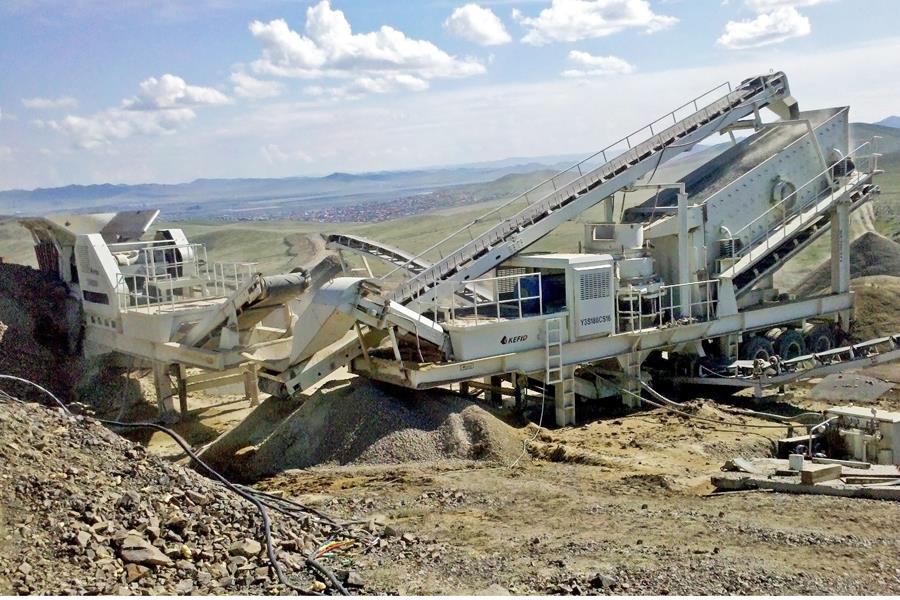
Commonly Used Crushing Equipment in Granite Sand Making Process
-
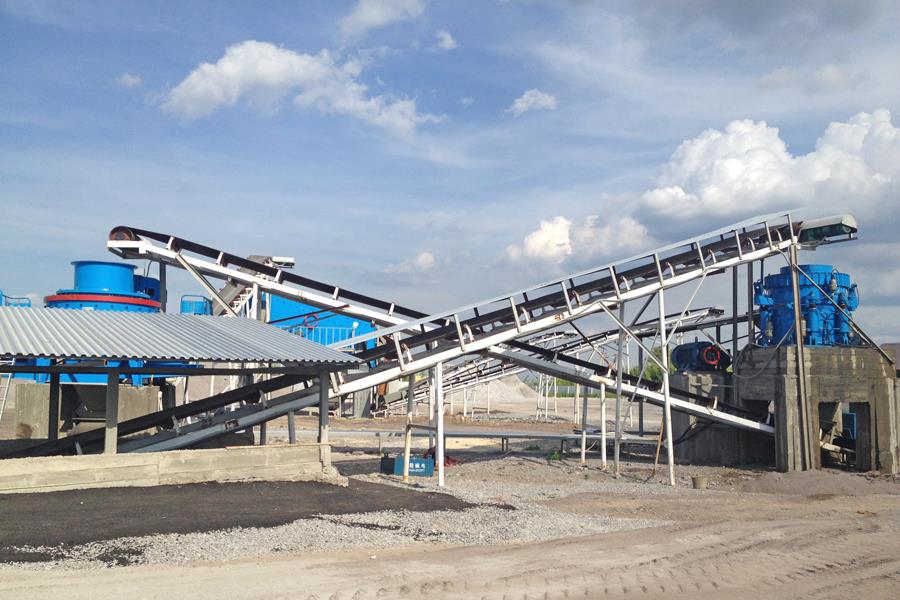
How to Invest in a River Pebble Manufactured Sand Production Line
-
-
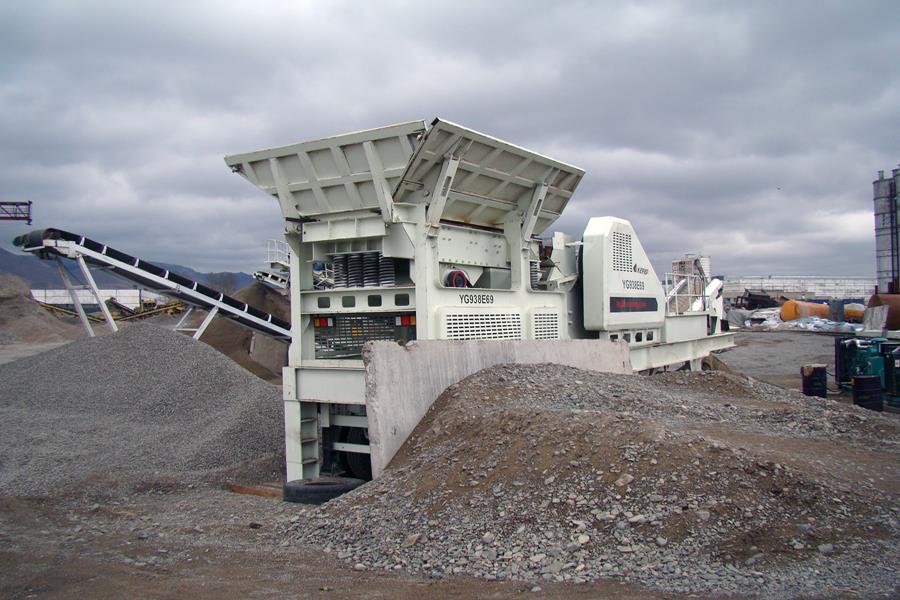
How to Choose a River Pebble Sand Making Machine Manufacturer
-
What equipment is needed to invest in a river pebble manufactured sand production line