Which is preferable for sand-making machinery: a compound crusher or a vertical impact crusher
Both compound crushers and impact sand-making machines are widely used models in the manufactured sand equipment market.
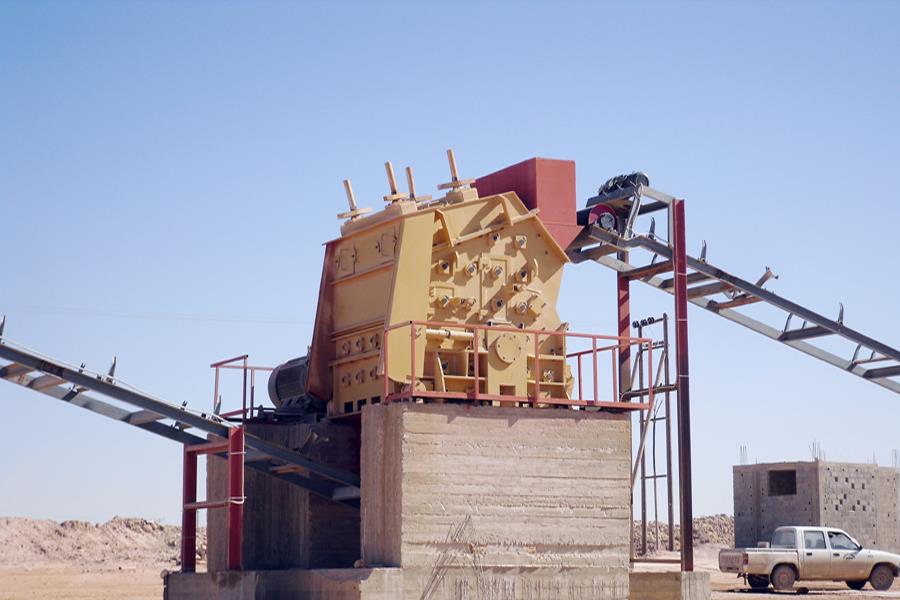
The working principle of the compound crusher involves an electric motor driving the rotor to rotate counterclockwise at high speed via a V-belt transmission. Material enters the crushing chamber through the feed inlet, where it is struck by the rapidly rotating blow bars. The material is then impacted against the serrated impact plate on the first impact plate at the top of the crushing chamber before rebounding. It undergoes repeated collisions with subsequent upward-impacting material, breaking down further before entering the second crushing chamber. Under the action of wear-resistant tooth plates and hammers, immense pressure, bending forces, and friction are generated. Within this crushing chamber, materials undergo thorough fine crushing and grinding, with particle shapes fully refined to eliminate virtually all needle-like or flake-shaped material before final discharge.
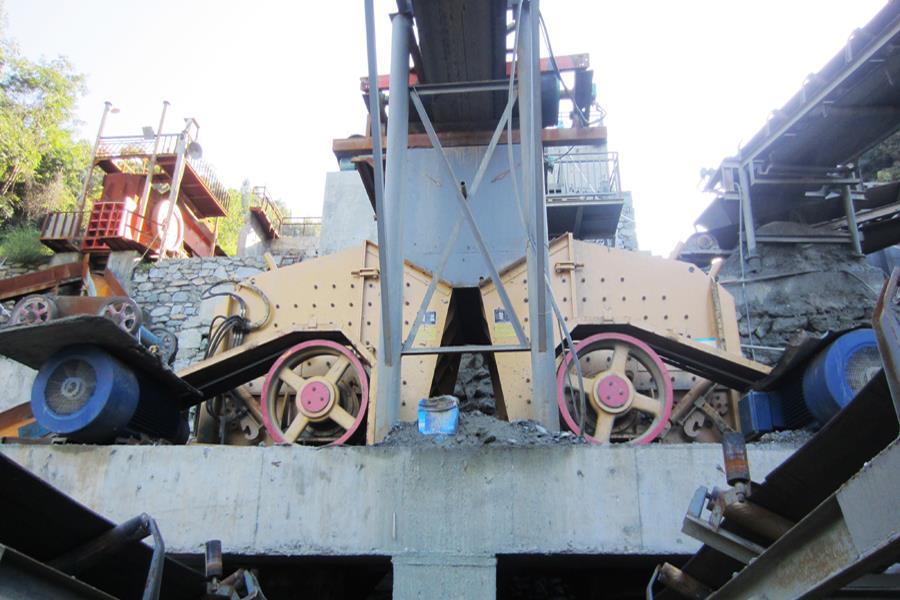
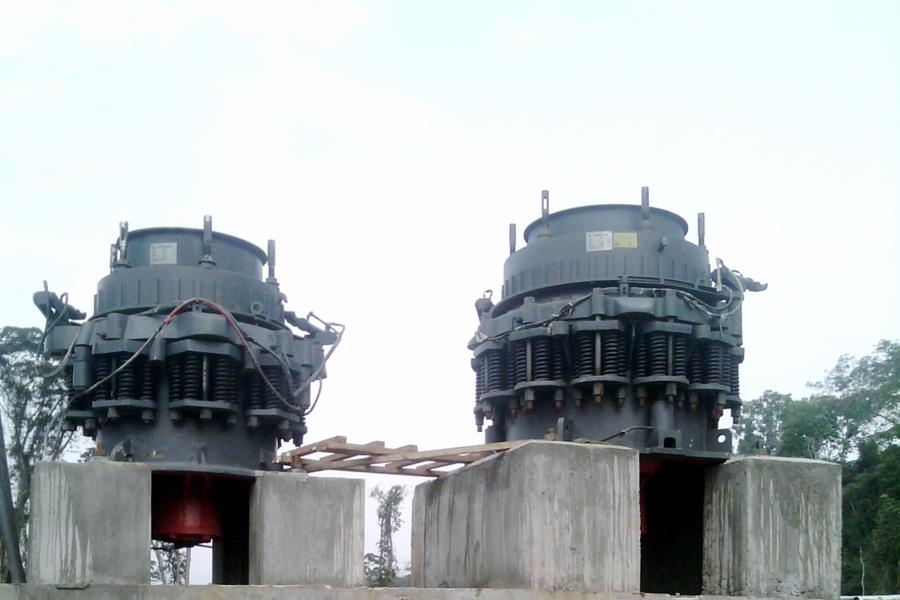
The vertical impact crusher may also be employed for coarse grinding operations, capable of processing feed material smaller than 60mm. Feed sizes of 2-8mm can be reduced to 18-100 mesh. Its operating principle is as follows: material enters the crusher via the feed hopper, where a distributor divides it into two streams. One portion enters the high-speed rotating impeller through the centre of the distributor, where it is rapidly accelerated to hundreds of times the gravitational acceleration. It is then ejected at 60-75 metres per second through the impeller's three evenly distributed channels. This material first collides with the free-falling portion entering from the distributor's periphery, creating an impact crushing effect. Both impact the material lining within the vortex chamber, where they are rebounded, before striking the top of the vortex chamber at an upward angle, altering its trajectory to descend. Material ejected from the impeller channels forms a continuous curtain, subjecting the material to multiple impacts, friction, and grinding within the vortex crusher. The crushed material discharges through the lower outlet. A closed-circuit system with a circulating screening mechanism typically achieves particle sizes below 20 mesh after three cycles. Throughout the crushing process, materials impact and fracture each other without direct contact with metal components, instead colliding and grinding against the material lining. This significantly reduces iron contamination. The ingenious internal airflow circulation within the vortex chamber eliminates dust pollution. These two types of equipment operate on vastly different principles, exhibiting distinct advantages and disadvantages. (Relevant data in this article may vary with product updates and upgrades; the latest technical specifications can be obtained by contacting our website customer service.)
The compound crusher features two adjustable impact crushing chambers. Its upper and lower body sections facilitate convenient installation and transportation. The rotor employs a tapered sleeve with keyed connection. Both high-efficiency wear-resistant hammer plates and impact plates are designed for plug-in installation. Unique symmetrical large access doors on both sides of the frame allow replacement of hammer plates and impact plates through these openings. It offers convenient operation and maintenance, high efficiency and energy savings, and produces cuboid-shaped products. For sand production, it achieves a first-pass sand yield exceeding 30%, with adjustable and selectable discharge particle size. Particularly when crushing high-hardness materials such as river pebbles, granite, and quartzite, its high yield rate makes it well-received by new investors in the manufactured sand industry.
The impact sand-making machine employs centrifugal force for crushing. A high-speed rotating rotor accelerates feed material, generating centrifugal force that propels it against the liner plates for fragmentation. However, this acceleration process consumes substantial energy, resulting in power consumption exceeding twice that of conventional compound crushers under equivalent output conditions. Impact sand-making machines have evolved through structural refinements, yielding Type I, Type II, and Type III models. Modifications to the crushing chamber and rotor speed enable processing of fine gravel particles into sand.
Comparing the crushing principles of these two machines, the centrifugal impact sand-making machine is recommended for harder materials, while the compound crusher is suitable for softer raw materials like limestone.
Should you be interested in sand-making machinery or related equipment, please click to consult our website customer service immediately for a complimentary assessment. Available 24 hours a day.