
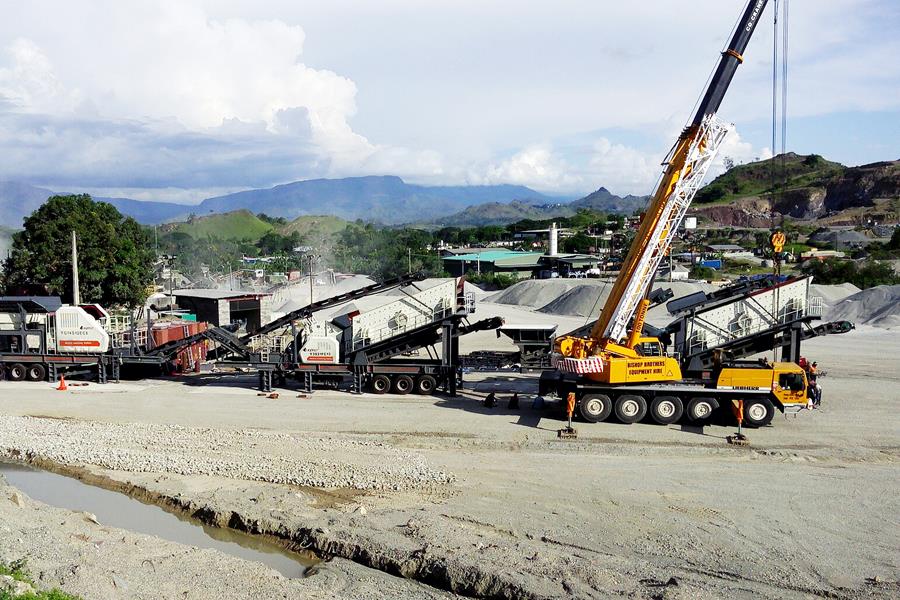
Which components should be monitored when the internal temperature of a jaw crusher rises
The jaw crusher is one of the most widely used mining machinery devices and an indispensable primary crushing unit in sand and gravel aggregate production lines. It is highly trusted and favored by enterprises in mining, construction materials, and related industries. Characterized by its simple structure and ease of manufacturing, the jaw crusher experiences friction with materials during prolonged operation, leading to temperature increases. When this occurs, the crusher must be shut down promptly. Otherwise, excessive heat may burn out the motor and cause mechanical failure. Particular attention should be paid to the machine's internal operating conditions and temperature during hot summer weather to promptly identify issues and prevent disruptions to production schedules. Below, we explore the causes of internal temperature rise in jaw crushers.
1. Temperature of the Jaw Crusher's Moving Jaw Component
The jaw crusher operates by repeatedly moving the jaw plates up and down to crush materials through squeezing and grinding. The moving jaw component approaches and then moves away from the fixed jaw plate, crushing the material before discharging the product through the outlet. Given the high operational intensity of the movable jaw, its temperature is prone to abnormal spikes. Once temperatures reach critical thresholds, jaw plate damage may occur. Appropriate measures must be taken to address abnormal temperature rises in the movable jaw, preventing equipment failures that cause shutdowns and reduce production efficiency.
2. Bearing Temperature of Jaw Crusher Components
During high-temperature operation, continuously monitor bearing temperatures. Maintain optimal lubrication—avoid oil starvation or overfilling—while checking for abnormal noises or vibrations. Inspect bearings for wear and check the cage for damage. If irregularities are detected, immediately shut down the machine to investigate the cause. Determine whether the issue stems from an uncrushable object jamming the mechanism or damage to hammers or other components.
3. Temperature of friction components in jaw crushers.
During high-speed operation, power consumed through friction is entirely converted into heat, causing friction component temperatures to rise. When lubricating oil is used, it continuously absorbs heat from the friction surfaces for dissipation or carries away heat by supplying a certain volume of oil, thereby lowering the friction surface temperature. The above are the primary factors causing temperature increases in jaw crushers. It is essential to perform proper maintenance on jaw crushers. This not only enhances equipment operational efficiency but also prevents equipment failures and other issues.
OCP specializes in the R&D and production of complete sets of equipment for crushing, screening, grinding, washing, feeding, conveying, environmental protection, dust removal, as well as steel, metallurgy, and steel slag processing and recycling. Our products are widely used in the crushing and processing of metals, non-metallic minerals, energy raw materials, and metallurgical waste residues within the steel and metallurgical sectors. Click the website customer service for immediate free consultation, available 24/7.
-
Handling High-Temperature, High-Concentration Dust with Pulse Jet Baghouse Dust Collectors
-
Features of the High-Efficiency Energy-Saving Rod Mill for Steel Slag
-
-
-
What are the primary methods for utilizing steel slag as a secondary resource