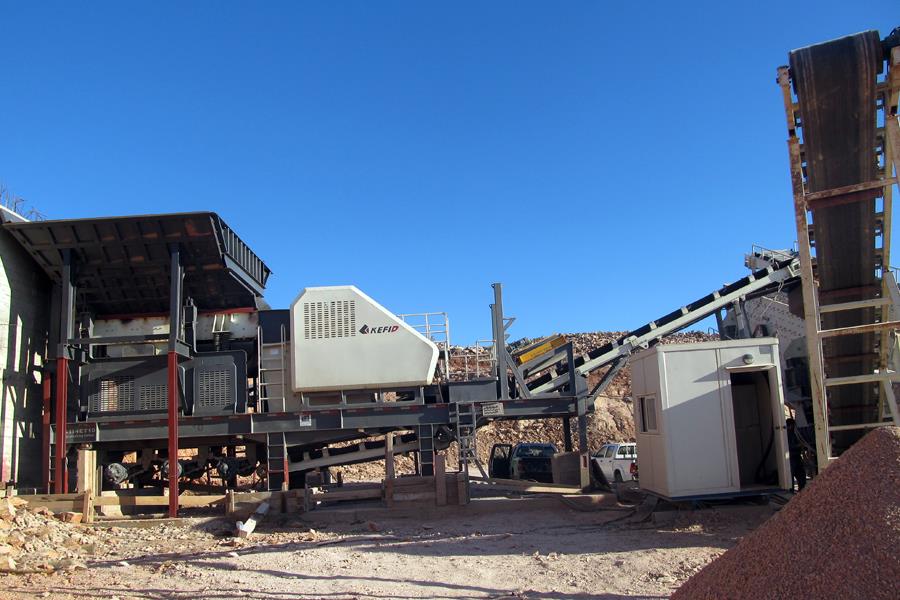
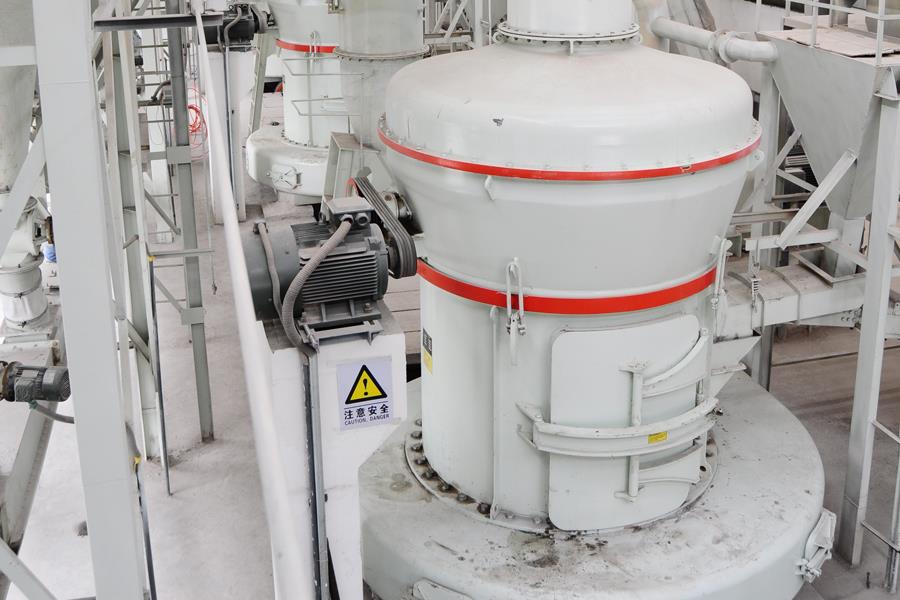
When processing materials of varying hardness, what is the typical finished particle size? How should one select the appropriate crusher?
Processing sand and gravel requires crushing by a crusher. Sand and gravel production lines utilize various crushers and auxiliary equipment to break down different types of ore. During sand and gravel processing, numerous crusher options are available, such as jaw crushers, impact crushers, and cone crushers. Faced with such a wide selection, users often struggle to make a reasonable choice. Due to varying user requirements, the number of crushing stages in the design process differs. The selection of crushers for each stage is closely related to the material. The choice of crusher depends primarily on the material's hardness and the desired final particle size.
After processing by crushers, sand and gravel used in construction, bridges, roads, and other applications can be classified into different particle sizes: extra coarse, coarse, medium, fine, and sand-grade. Specifically: - Extra coarse aggregate: ≥37.5mm - Coarse aggregate: maximum particle size 26.5mm or 31.5mm - Medium aggregate: maximum particle size 16mm or 19mm - Fine aggregate: maximum particle size 9.5mm or 13.2mm Typically, jaw crushers are used for primary crushing, while impact crushers and cone crushers can process materials to meet medium- and fine-grained specifications.
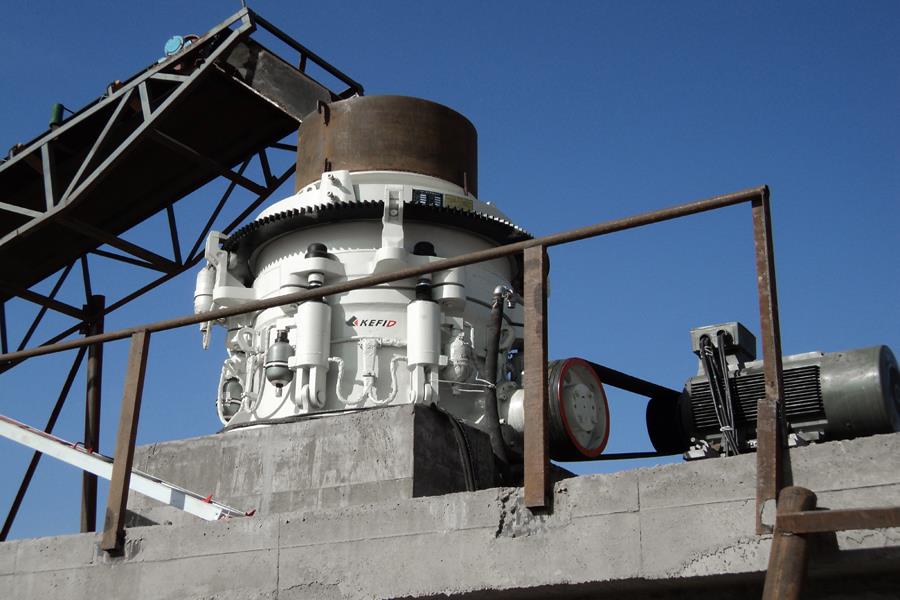
For crushing hard materials like granite, users typically select cone crushers in the secondary crushing stage, including single-cylinder or multi-cylinder hydraulic cone crushers. Users should choose based on production requirements and budget. If raw material particle size is small enough to directly meet secondary crushing feed requirements, the primary crushing stage can be omitted. In hard aggregate production lines, selecting crushers designed for soft materials instead of adhering to these principles will increase production costs. Such crushers have a short operational lifespan with limited uptime. Furthermore, the negative consequences extend to higher expenses for purchasing wear parts later on, potentially leading to prolonged shutdowns over time. Therefore, this is a critical consideration when selecting crushers for production lines processing hard materials like basalt and granite.
When processing materials with moderate hardness, such as limestone, the secondary crushing stage can utilize either impact crushers or hammer crushers. Users should note that impact crushers produce finer, rounder, and more uniform particle shapes, while hammer crushers offer lower investment costs but yield coarser particles with higher stone powder content. In fact, some large-scale mining crushing plants also opt for cone crushers to reduce the rate of non-conforming finished products. In summary, when crushing soft materials, users must consider multiple factors.
When selecting a crusher, make a reasonable choice based on your specific material, production requirements, and investment budget. If you are unfamiliar with the configuration of crushing equipment for sand and gravel production lines, consult the crusher manufacturer. Their professional technicians will design a sand and gravel aggregate production line tailored to your needs based on the properties of your material and the characteristics of your production area! Click the website customer service for a free consultation now.
-
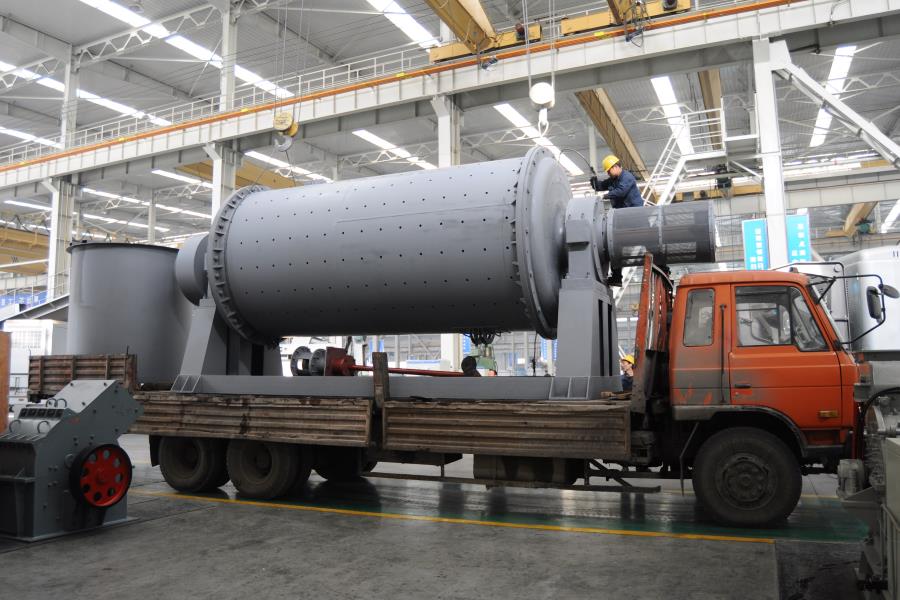
The hydraulic system of the hydraulic cone crusher ensures the safety of high-efficiency operation
-
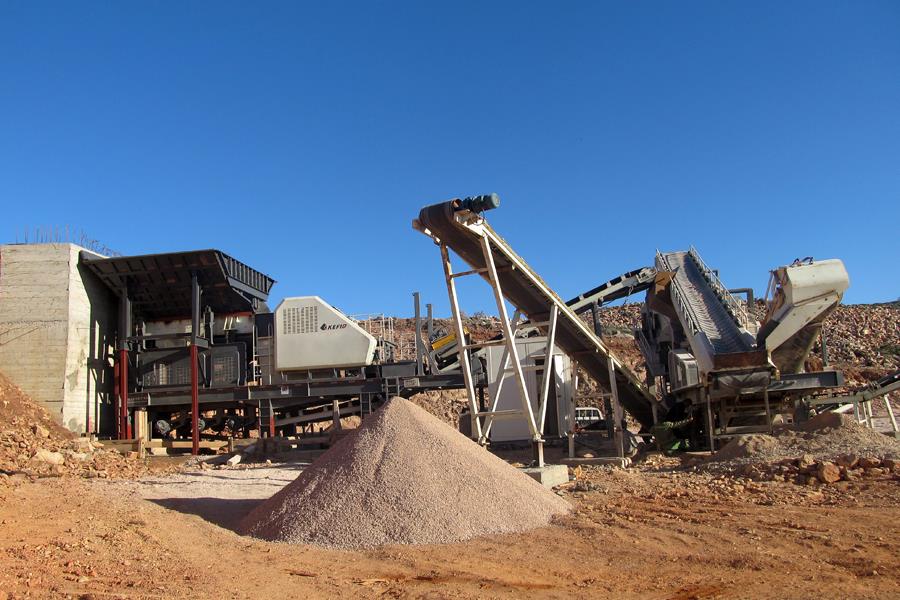
How to Configure a 200-Ton-Per-Hour Vertical Shaft Impact Crusher Sand and Gravel Production Line
-
Why is the hydraulic cone crusher considered crucial in sand and gravel production lines
-
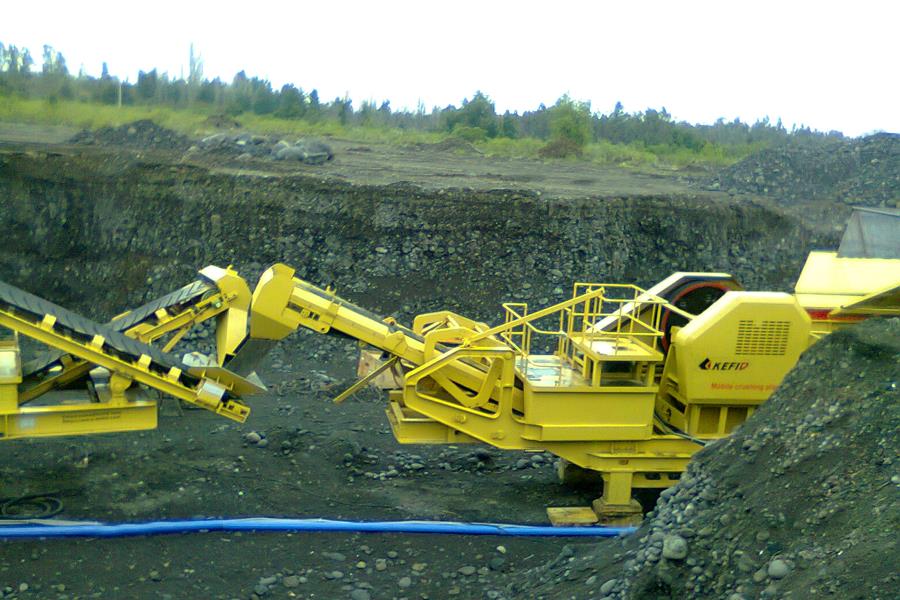
Why is a mobile crushing plant generally recommended for processing construction waste
-