
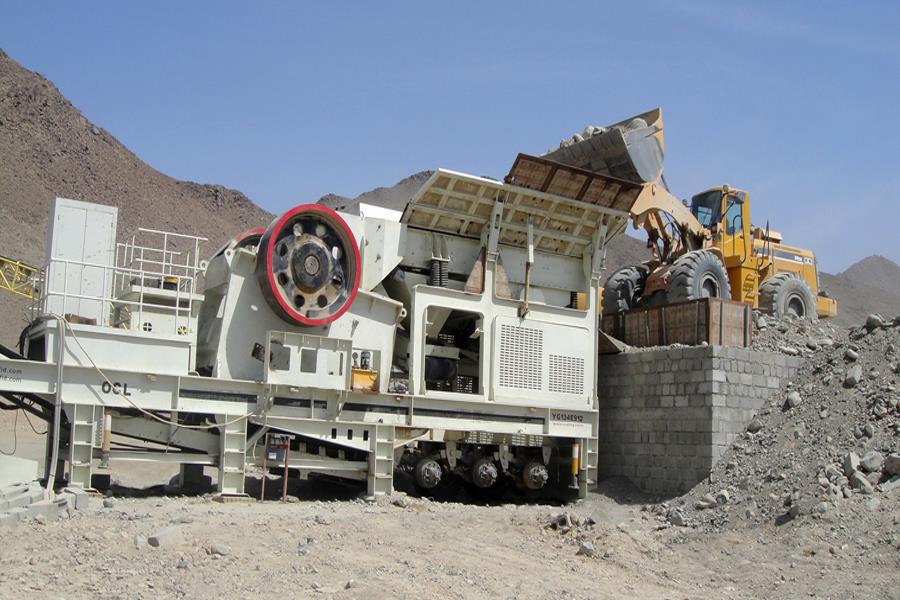
What types of stone powder grinding machines are available? Which one is the best?
Stone powder grinding machines, also known as powder mills, have gained popularity alongside the booming construction and building materials industries. So, what types of stone powder grinding machines are available? Which one is the best?
There are numerous models and types of stone powder grinding machines. Here, we primarily introduce the Raymond mill, ultra-fine grinding mill, and ball mill to provide you with a general understanding:
1. Raymond Mill
The Raymond mill handles feed sizes between ≤25-≤30mm, with an hourly processing capacity of 8-176 tons per day. The finished product can be adjusted between 80-325 mesh.
Featuring a vertical structure, the Raymond mill occupies minimal floor space and consumes low energy. It employs centralized electrical control, facilitating AI operation with high automation levels. Real-time monitoring ensures safer, more reliable, and labor-saving operation. High grinding efficiency achieves a screening rate of up to 99%, delivering superior product quality that meets industrial material requirements. Critical components like grinding rollers and rings are manufactured from premium castings imported from Germany, enhancing wear resistance and durability while reducing maintenance costs and extending service life.
2. Ultra-Fine Grinding Mill
True to its name, this mill produces finished products with a fineness of 500-800 mesh. Its advantages include adaptability to varying fineness requirements, a novel sealing structure, spring-loaded pressure enhancement, and a modular classifier design, delivering high output and efficiency. Its disadvantage lies in higher initial investment costs, making it suitable for users with stringent fineness requirements and sufficient capital.
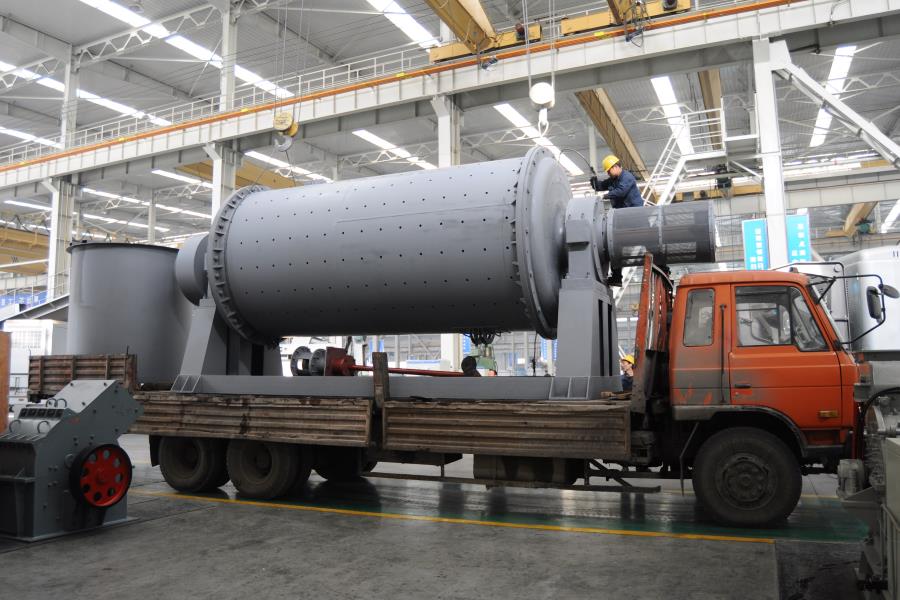
3. Ball Mill
Feed size: ≤20–≤25mm
Processing capacity: 0.65–615 t/h
Ball mills offer high production efficiency using wear-resistant steel balls as grinding media. They enable continuous operation, delivering substantial output and high productivity to meet large-scale production demands. Equipped with a specialized sealing system, they effectively reduce dust and noise during operation, minimizing health risks to operators while preventing environmental pollution from noise and dust. Energy consumption is low, with optimized motion parameters contributing to energy savings. The structural design of ball mills is not only aesthetically pleasing but also highly rational, facilitating customer operation and maintenance during production. With a minimum length of 1.8 meters, the equipment effectively reduces its footprint, enabling convenient production relocation for users.
Based on the above introduction, we can see that Raymond mills, ultrafine grinding mills, and ball mills each possess distinct advantages in the production process. There is no single “best” option; in actual production, users can reasonably purchase equipment from manufacturers according to their specific needs.
For reliable, competitively priced manufacturer equipment, we recommend consulting OCP Machinery. With over four decades specializing in stone grinding machinery, OCP delivers dependable, high-quality equipment exported globally and widely acclaimed worldwide. All components are independently developed and manufactured without middlemen markups. Get your exclusive quote by consulting online now!
-
What equipment is included in a basalt crushing production line
-
-
-
-
What types of pebble crushing equipment are available? Can crushed pebbles be used in concrete?