Can impact crushers produce sand
In sand and gravel aggregate production lines, impact sand makers and hammer sand makers are commonly used, but few opt for impact crushers. So, can impact crushers be used for sand production? Which should you choose for sand making: impact crushers, hammer crushers, or impact sand makers?
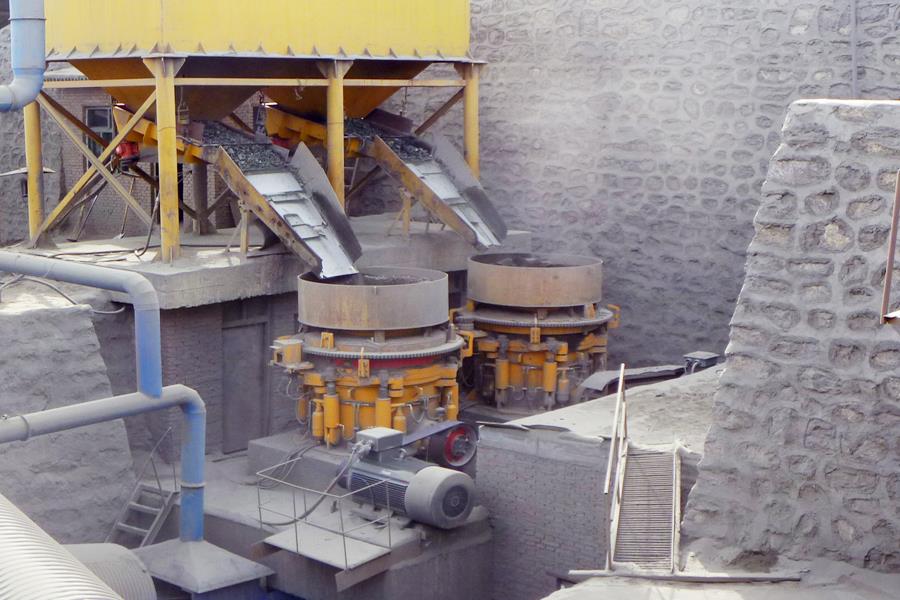
Impact crushers can indeed be used for sand making. The sand produced by impact crushers has a particle size of approximately 3-5mm, meeting the quality standards for construction sand. Beyond sand production, impact crushers employ an internal hammer-striking mechanism for sand making, resulting in well-shaped, predominantly cubic particles with minimal fines. Although primarily mining equipment for rock crushing, impact crushers also deliver finished sand that generally satisfies market demands.
Impact Crusher, Hammer Crusher, or Impact Crusher for Sand Making? Analysis of Advantages and Disadvantages
1. Advantages and Disadvantages of Impact Crusher for Sand Making
Advantages:
- Excellent finished particle shape;
- Equipped with screen bars and an integrated screening system, resulting in low powder content;
- Wide range of discharge opening adjustments to meet varying production demands;
- Features an intelligent control system with a control panel for quick and convenient maintenance.
Disadvantages:
Performs best with softer materials, producing sand meeting construction standards. However, processing harder materials reduces internal hammer lifespan. Therefore, it is recommended for crushing softer materials.
2. Advantages and Disadvantages of Hammer Crushers
Advantages: High crushing ratio and processing capacity, with hourly output ranging from 1 to 3000 t/h; combines the functions of jaw crushers, impact crushers, and impact sand makers, enabling one-step sand production; balances crushing and shaping for excellent finished particle shape with minimal powder and needle/flake content, ensuring uniform output; simple structure for easy maintenance.
Disadvantages: Hammer heads and screen bars wear rapidly when processing hard materials; screen bars are prone to clogging when crushing sticky or wet materials.
3. Advantages and Disadvantages of Impact Sand Makers
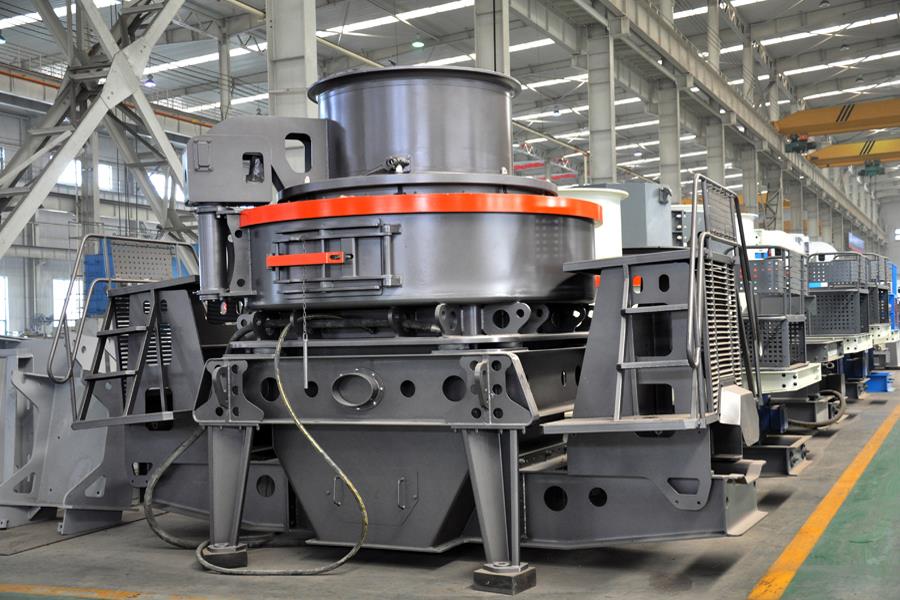
Advantages: Wide range of models and options, such as HVI, VSI, HX, etc.; uses a modular throwing head, requiring only replacement of worn parts, reducing operating costs by 30%; employs a central cascade feed and peripheral feeding method, resulting in low needle and flake content in the final product; combines sand making and shaping, producing well-shaped particles with uniform size; Reversible upper and lower wear plates extend service life; hydraulic cover opening facilitates maintenance; internal vortex chamber air recirculation, combined with pulse dust collectors and noise suppressors, enables eco-friendly sand production.
Disadvantages: Impact sand makers may experience material adhesion when processing sticky or wet materials, reducing efficiency; machine cost is slightly higher.
In summary, impact crushers, hammer crushers, and impact sand makers each have distinct advantages in sand production. The optimal choice depends on specific production line requirements. If you're unsure, feel free to consult our online support. We can design production solutions tailored to your material characteristics and customize equipment for your needs. Click the website chat icon to consult our customer service immediately!