What types of crushing equipment are included in a complete sand and gravel production line
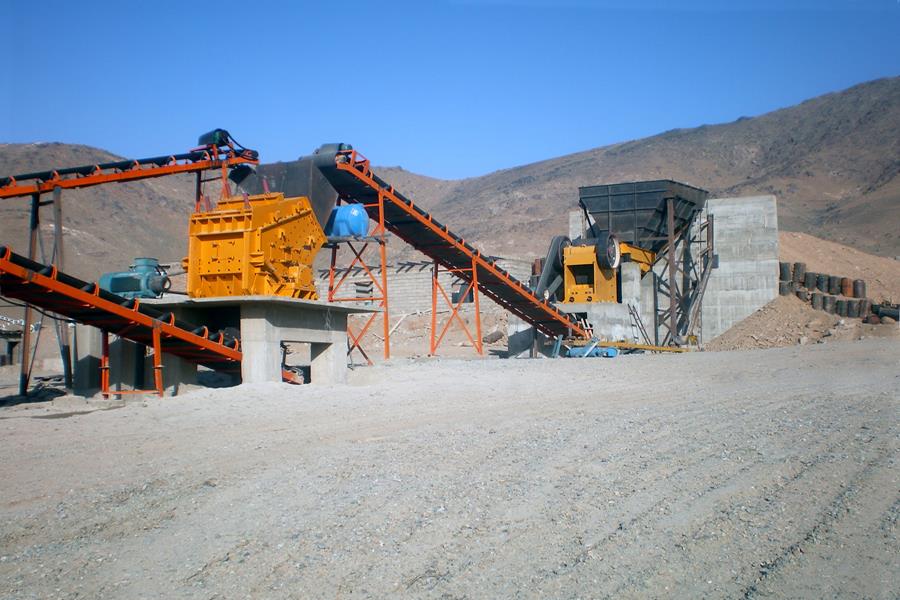
An economical and efficient sand and gravel production line requires not only consideration of the coordination between various pieces of equipment but also rational design. Only then can the equipment work together effectively, continuously generating greater production value and economic benefits. Generally, the main structure of a sand and gravel production line includes: feeding equipment, crushing equipment, screening equipment, and washing equipment. These four modules form the foundation of a well-designed sand and gravel production line.
1. Vibrating Feeder
Primarily used for continuous, uniform feeding to primary crushers. Simultaneously performs coarse screening based on preset bar gap dimensions, preventing unnecessary wear on subsequent crushers and enhancing crushing efficiency.
2. Jaw Crusher
The jaw crusher, serving as the primary crusher in the production line, performs initial crushing of various materials. It is widely used in mining, metallurgy, building materials, highways, railways, water conservancy, and chemical industries. The maximum compressive strength of crushed materials is 320MPa. Key features include a high crushing ratio, uniform product particle size, simple structure, reliable performance, easy maintenance, and low operating costs.
3. Cone Crusher / Impact Crusher
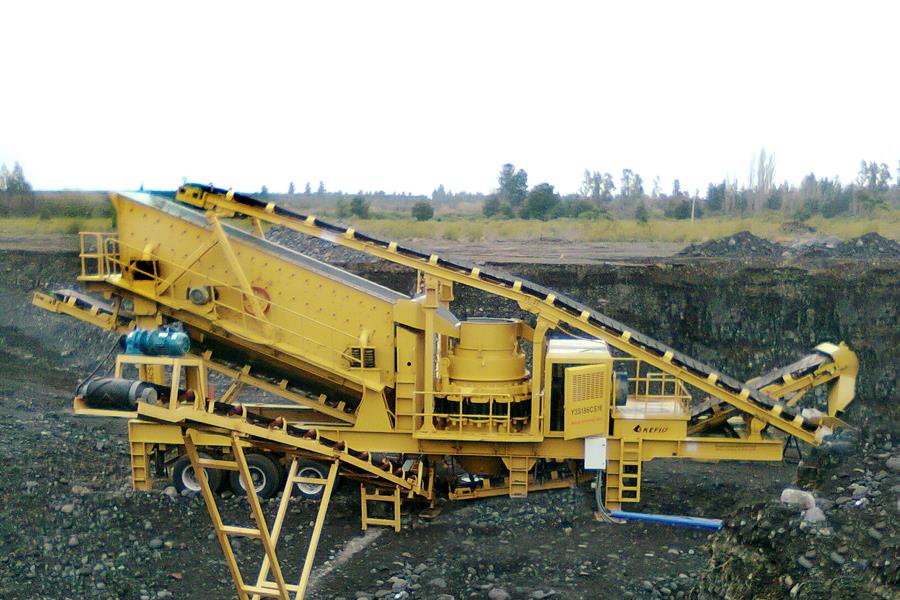
Both cone crushers and impact crushers are ideal equipment for medium and fine crushing. Cone crushers are suited for crushing harder materials, while impact crushers are better for softer materials. During operation, the motor drives the eccentric sleeve to rotate via the transmission mechanism. The moving cone performs a rotating swing motion under the force of the eccentric sleeve. The area where the moving cone approaches the stationary cone forms the crushing chamber. where materials undergo multiple squeezing and impact actions between the moving and stationary cones to achieve fragmentation. As the moving cone withdraws from this zone, the crushed material—now reduced to the required particle size—falls under gravity and discharges from the cone base. Cone crushers feature high crushing ratios, high throughput, advanced automation, high load-bearing capacity, overload and iron-passing protection, energy efficiency, and environmentally friendly, pollution-free operation.
The impact crusher is a crushing machine that utilizes impact energy to break materials. During operation, driven by an electric motor, the rotor spins at high speed. When materials enter the impact plate zone, they collide with the impact plates on the rotor and are crushed. They are then thrown onto the impact device for further crushing, bounce back from the impact liner to the impact plate zone for re-crushing, and this process repeats. The material is progressively crushed from large to small sizes through the first, second, and third impact chambers until it reaches the desired particle size and is discharged through the outlet. This crusher offers advantages including large feed size, excellent product shape, high output, high crushing ratio, high utilization rate, and low operating costs.
4. Impact Crusher/Sand Maker
The impact crusher, commonly known as a sand maker, is an internationally advanced high-energy, low-consumption impact breaker. Its performance plays an irreplaceable role among fine crushing equipment for various ores, revolutionizing the crushing and processing industry for domestic rocks and minerals. It offers low operating costs, strong adaptability, high throughput, excellent product quality, and broad applicability, granting it unparalleled competitive advantages. Currently, thousands of units are deployed across numerous domestic markets.
5. Vibrating Screens
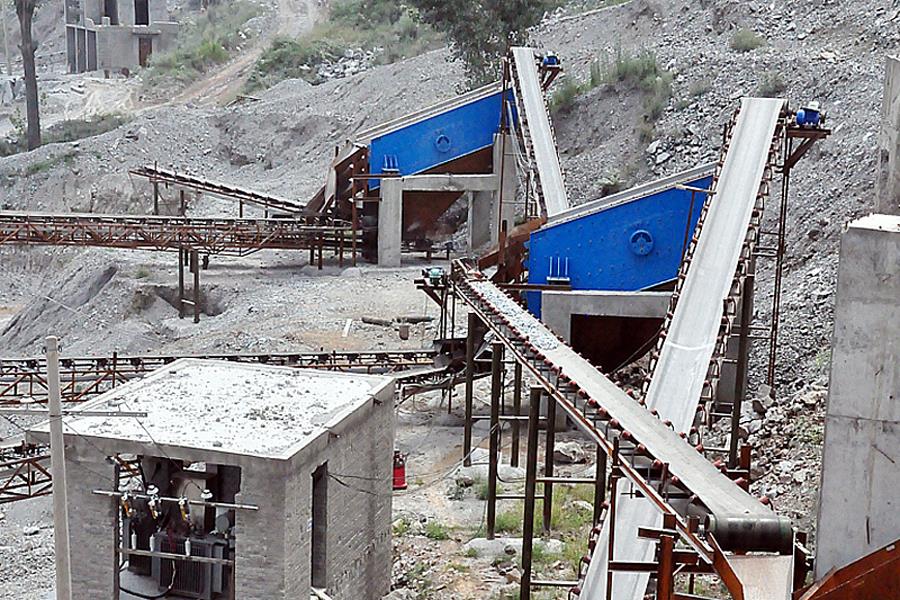
Our vibrating screens are a series of optimized designs developed through years of practical experience. They are widely applicable for screening and grading various loose minerals and rocks in mining, construction, and building materials industries. The Z series vibrating screens are primarily used for material dewatering and desliming operations. The Y Series Vibrating Screen offers single-deck, double-deck, triple-deck, or multi-deck configurations tailored to customer requirements, suitable for both dry and wet screening operations. Extensive production practice demonstrates this series' advantages in rational structure, high screening efficiency, and large processing capacity.
6. Belt Conveyors
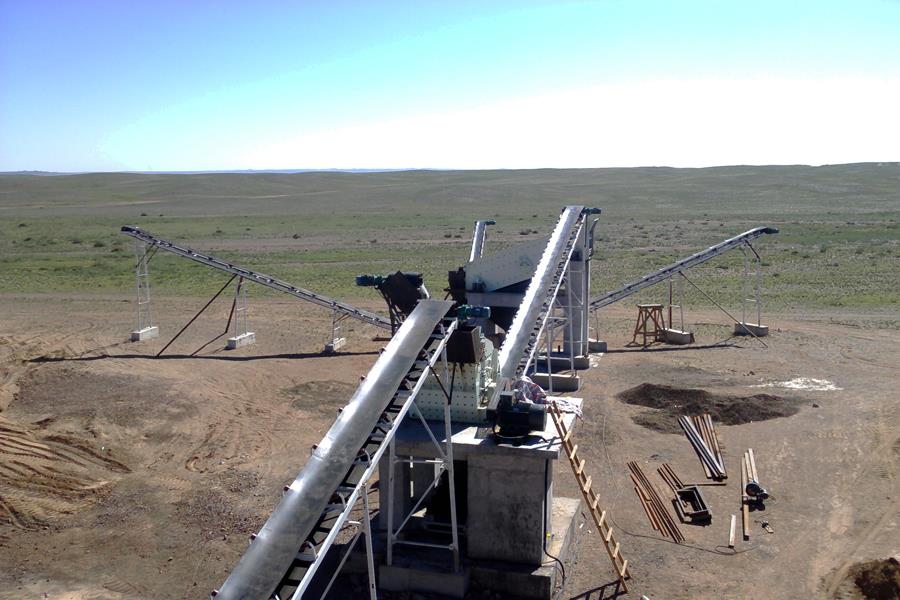
Belt conveyors represent an ideal, highly efficient continuous transport solution. They offer continuous operation, reliability, convenience, long-distance transport capability, low energy consumption, high throughput, and environmental sustainability.
Additionally, the entire sand aggregate production line should be equipped with sand washers, dryers, electronic control systems, dust removal equipment, and iron removal devices. All machinery required for the sand and gravel production line must be specifically selected based on the properties of the material being processed. A well-designed sand and gravel production line should feature: complete production processes, comprehensive supporting facilities, and streamlined workflows. For aggregate plants, only by integrating all production stages can perfectly shaped finished products be achieved. The entire process includes primary crushing, secondary crushing, and fine crushing to produce compliant end products.
We welcome you to consult OCP Heavy Industry regarding crusher equipment configuration. Our specialists will provide dedicated assistance! Click the website chat icon for immediate free consultation—available 24/7.
-
-
Introducing OCP Heavy Industry is PF Series High-Efficiency Hydraulic Impact Crusher
-
Application of High-Efficiency Energy-Saving Rod Mills in Comprehensive Recycling of Steel Slag
-
Features and Advantages of the Pulse Jet Baghouse Dust Collector
-