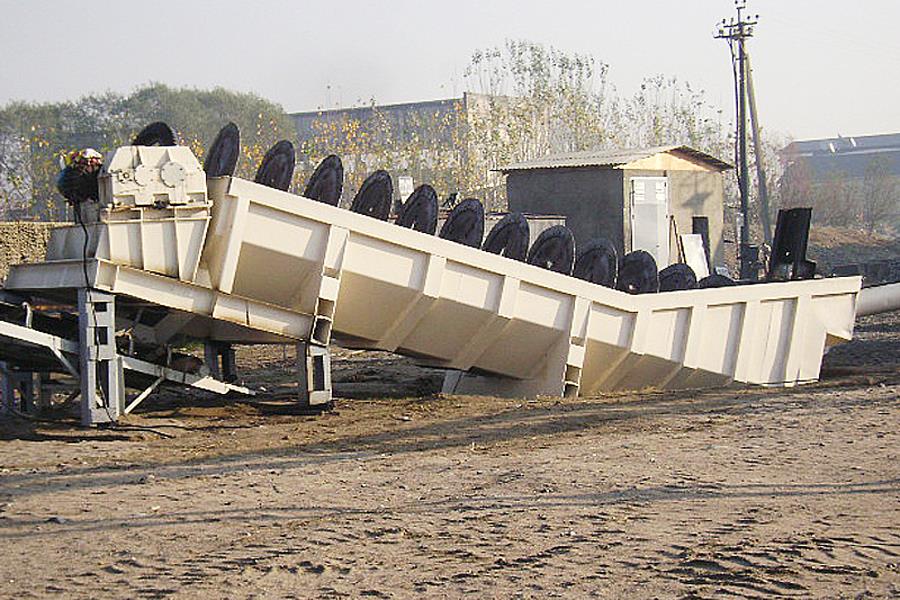
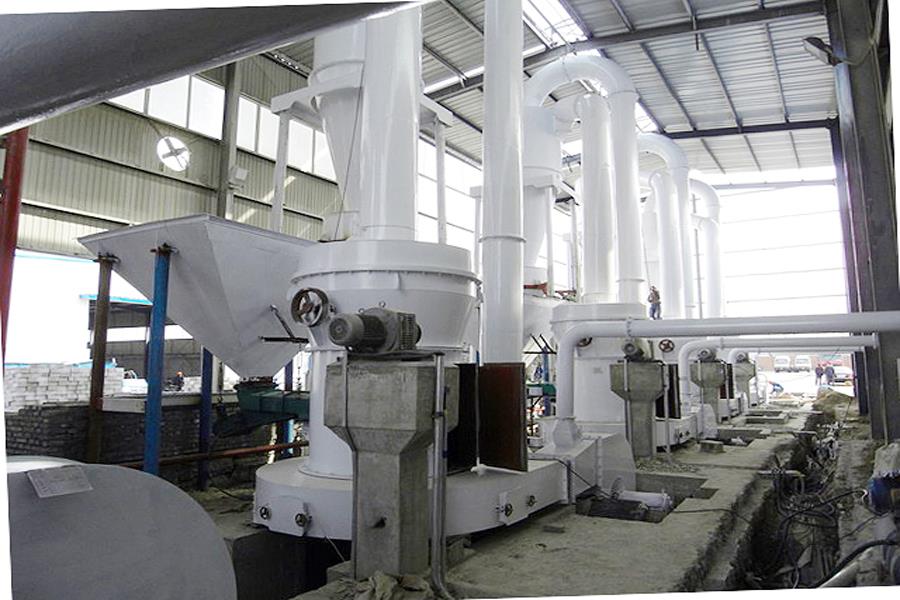
What type of sand-making machine is used to process basalt
Basalt serves as a crucial raw material in sand and gravel production lines. The quality of the finished sand after processing directly impacts its applications and the profitability of the production line, as different raw materials yield varying sand qualities. This section addresses the question of whether basalt-derived sand possesses favourable quality.
Firstly, the quality of finished sand primarily relates to factors such as particle size distribution, particle shape, needle and flake content, and compressive strength. Therefore, assessing the quality of basalt sand production can be evaluated through these aspects. Practical experience indicates that the gradation of basalt sand meets construction sand requirements, with a particle size range typically between 1-5mm. Additionally, the stone powder content in basalt sand can be reduced to approximately 5%, enabling stable sand moisture content around 6%.
Thus, whether considering finished particle size, sand quality, particle shape, application scope, or investment costs, basalt represents an excellent choice for sand production. This has significantly driven the development of basalt sand-making projects. Presently, the resource utilisation rate of formally mined basalt quarries exceeds 90%, with processed products encompassing coarse, medium, and fine sand in diverse specifications and broad applications.
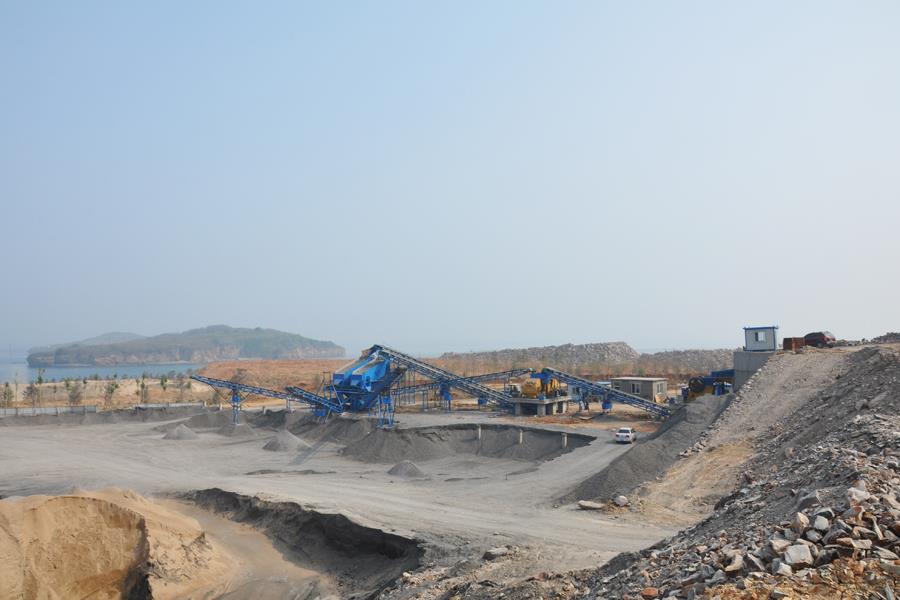
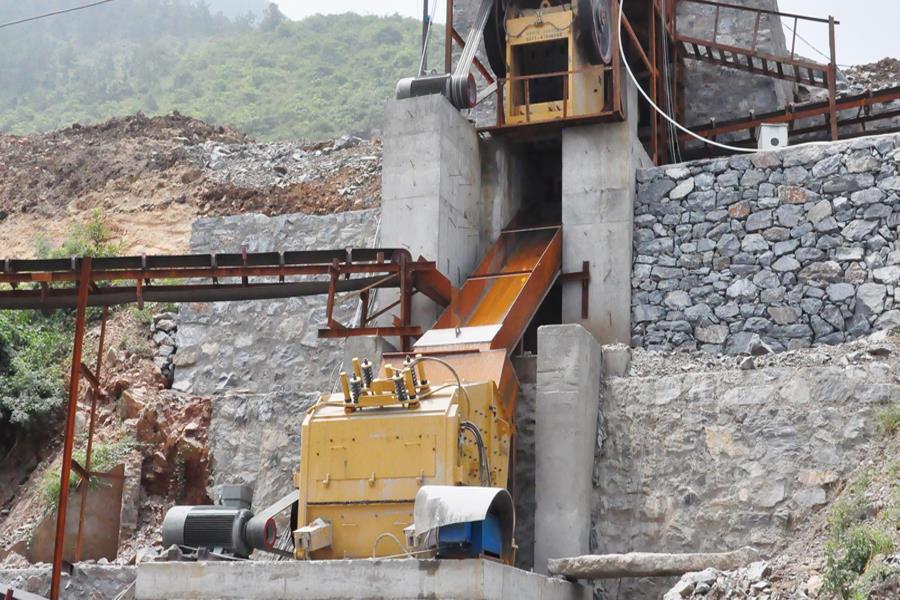
In basalt sand production, different finished sand grades require distinct processing lines to meet production demands. Generally, as basalt is a high-hardness material, suitable equipment includes jaw crushers, cone crushers, sand makers, feeders, and screening machines. These diverse units are selected and combined in different configurations according to production requirements to collectively process manufactured sand. Below, we shall focus on the selection of sand-making machines.
Numerous types of sand-making machines are available for basalt sand production, each offering distinct advantages and operating on different principles. Therefore, selection should be based on specific production requirements in practice, complemented by appropriately matched auxiliary equipment.
The preceding discussion primarily addressed the quality of basalt sand production. A detailed analysis was provided: basalt sand proves an excellent choice across multiple dimensions—including finished particle size, sand quality, particle shape, application scope, and investment costs. Subsequently, the selection of basalt processing equipment was outlined. Only through establishing a well-designed production line can one optimally serve the production of high-quality basalt sand and aggregate products.
Please feel free to contact our website customer service for complimentary consultation, available 24 hours a day.
-
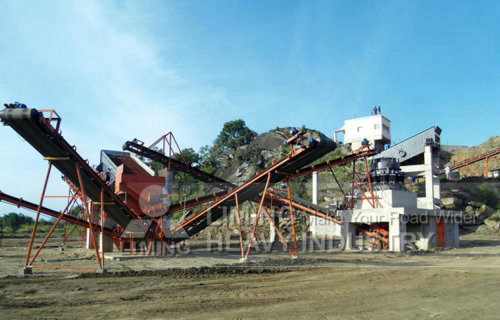
In which sectors are mobile crushing stations primarily employed
-
-
What Advantages Make the Impact Sand-Making Machine Worth Choosing
-
What are the sand-making processes in a sand production line
-