
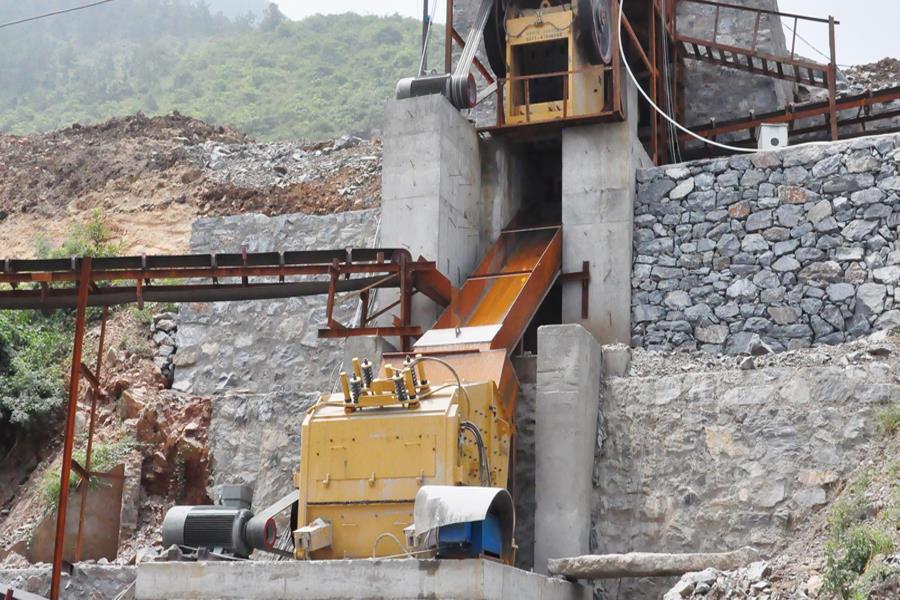
What are the sand-making processes in a sand production line
In the current context where manufactured sand is extensively replacing natural sand and gravel aggregates in the construction industry, the sand-making process has become particularly crucial. So how does one select the appropriate sand-making process based on their specific circumstances?
First, we should understand the primary sand-making processes available, including dry sand-making, wet sand-making, and combined dry-wet sand-making. These three represent the most commonly employed sand-making techniques.
Secondly, we must grasp their distinctions and applicable scenarios:
1. Dry Sand Production
As the name suggests, this process utilises minimal water, making it suitable for arid or low-rainfall regions. The specific processing flow is: Raw Material → Vibrating Feeder (removes soil and waste) → Primary Crushing → Secondary/Fine Crushing → Screening (separates coarse aggregates) → Sand Making → Screening (screening out fine aggregates) → dust removal → powder selection → finished sand. During discharge, the stone powder content in the manufactured sand can be adjusted via the powder selector to meet urban construction and hydropower engineering standards, making it suitable for construction projects, railways, and similar sectors. The resulting fine powder can be recovered through dust removal and powder selection for use in road sub-bases or as raw material for slag bricks. Thus, the dry method enables comprehensive utilisation of the final product.
2. Wet Sand-Making Process
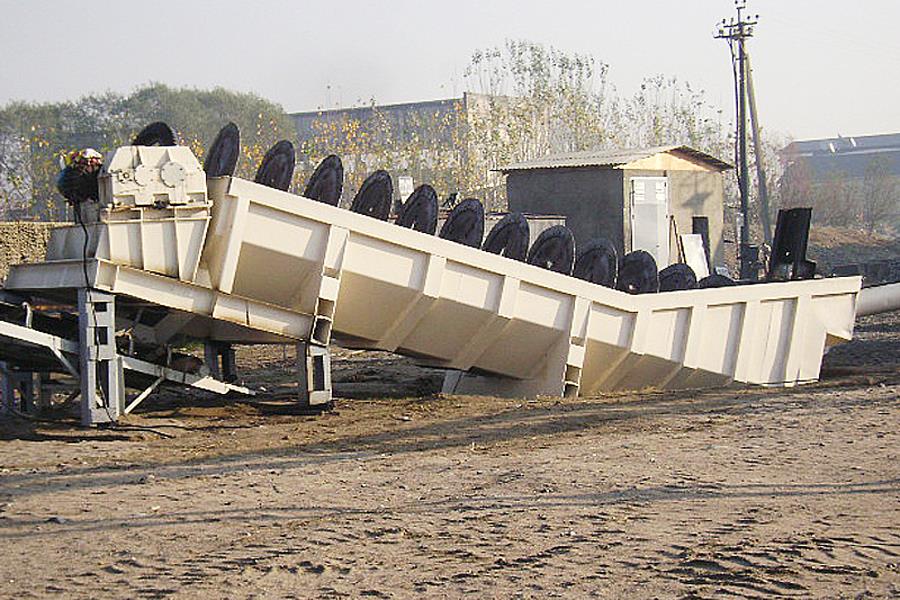
The wet sand-making process broadly follows the same sequence as dry processing, though it requires substantial water resources during operation. Consequently, wet methods are more suitable for regions with abundant rainfall and water availability. The specific wet sand-making workflow is as follows: Raw Material -> Vibrating Feeder (Removal of Soil and Waste) -> Primary Crushing -> Secondary/Tertiary Crushing -> Screening (Large Aggregate Separation) -> Sand Making -> Screening (screening small aggregates) -> sand washer -> finished sand. Compared to dry processing, the differences lie primarily in substituting the powder separator and dust collector with a sand washer. This method requires substantial water resources, eliminates dust pollution in the production environment, and yields cleaner, higher-quality finished products, albeit at a lower output rate.
Having examined the two preceding sand-making processes, the combined dry-wet method becomes readily apparent. This technique integrates dry and wet sand-making by rinsing aggregates during the initial screening stage, while the finished sand bypasses the washing machine. This process also requires a certain amount of water resources, with production costs higher than dry methods but lower than wet methods. Based on the characteristics of these three sand-making processes, selection should be guided by regional location, water availability, raw material properties, and output requirements. Considering environmental impact and cost efficiency, the dry method is generally recommended first, followed by the combined dry-wet process, and then the wet method. Where water resources are scarce, controlling the clay and organic matter content in feedstock enables dry processing. This method yields finished sand with low moisture content and high output, unaffected by seasonal factors, making it a highly favoured sand-making technique.
Should you have any queries regarding sand production, detailed consultations are available. For interest in premium aggregate or manufactured sand production lines, please click to consult our website customer service immediately for a complimentary consultation, available 24 hours a day.
-
-
-
What is the investment required for a complete set of manufactured sand production equipment
-
What types of cone crushers are available as secondary crushing equipment
-
What are the different classifications of mobile sand-making machines