
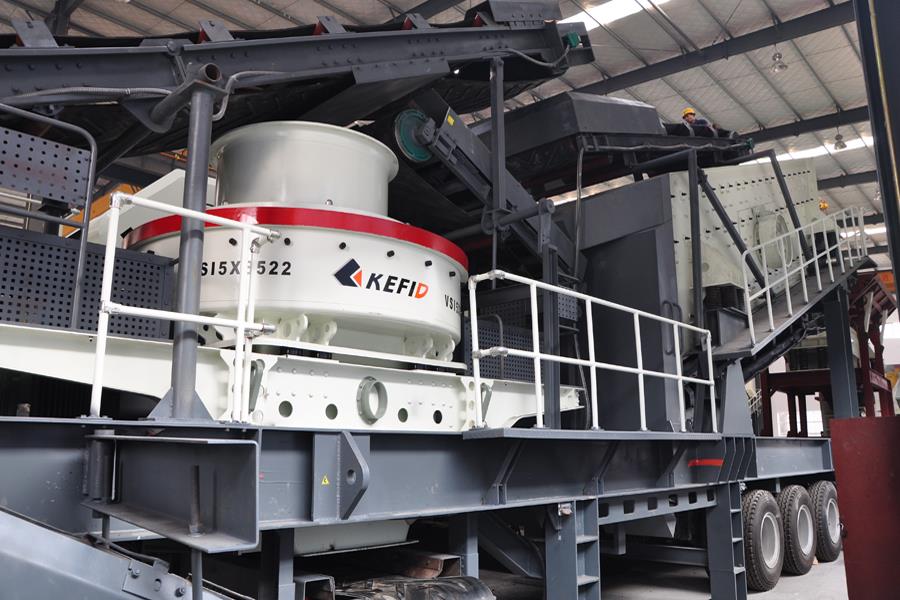
What is the difference between manufactured sand and natural sand
With the imbalance in supply and demand for sand and gravel aggregates, natural sand and gravel are in short supply. Against this backdrop, developing manufactured sand with stable output and quality can resolve the imbalance in aggregate supply and demand while effectively addressing the challenge of construction sand. However, I'm sure many of you have these questions: What distinguishes manufactured sand from natural sand? Can it truly replace natural sand? Don't worry—we've prepared the following analysis for you:
1. Composition and Structure
The raw materials for manufacturing manufactured sand are carefully selected. They feature uniform texture, pure composition, and consistent mineral and chemical properties—less complex than natural sand.
2. Fineness Modulus
Natural sand typically has only one fineness modulus. In contrast, manufactured sand's fineness modulus is controlled artificially through process adjustments, allowing precise customization to meet specific requirements—a capability unattainable with natural sand.
3. Bonding Strength and Compressive Resistance
The irregular particle shapes of manufactured sand often yield superior bonding strength when combined with cement or other structural adhesives. This results in enhanced compressive resistance and extended service life.
4. Stone Powder Content
A significant distinction from river sand is the higher stone powder content in manufactured sand. However, studies indicate that stone powder levels typically remain below 20%, posing no adverse effects on concrete setting time or strength.
5. Resource Availability
Natural sand requires mining for extraction and is not a renewable resource, meaning it will eventually deplete. Manufactured sand, however, is a renewable resource. Its use not only alleviates the supply-demand imbalance for natural sand but also contributes to environmental conservation.
6. Resource Management Advantages
Manufactured sand can be produced from various waste materials, whereas natural sand relies solely on mining from natural quarries. The production process of manufactured sand allows for the selection of multiple mineral components, resulting in superior and more consistent particle shape compared to natural sand.
7. Strength and Durability Testing
While machine-made sand exhibits slightly lower strength than river sand, it still meets the premium-grade standards of GB/T 14168-4293. Its use in ordinary concrete poses no issues. However, for concrete components subjected to frequent friction and impact, besides requiring admixtures, the cement-to-sand ratio, sand crushing index, and stone powder content must be strictly controlled.
The configuration of manufactured sand production lines is highly flexible. Different customer production requirements necessitate different equipment setups. Any change in equipment will affect the price of the sand-making production line. Additionally, different manufacturers and regions will also impact equipment pricing. To learn more about the performance parameters and specific prices of crushing and sand-making equipment, feel free to contact our online customer service at any time! Our professional technical staff will tailor a customized solution based on your production needs and provide you with a reasonable quote!
-
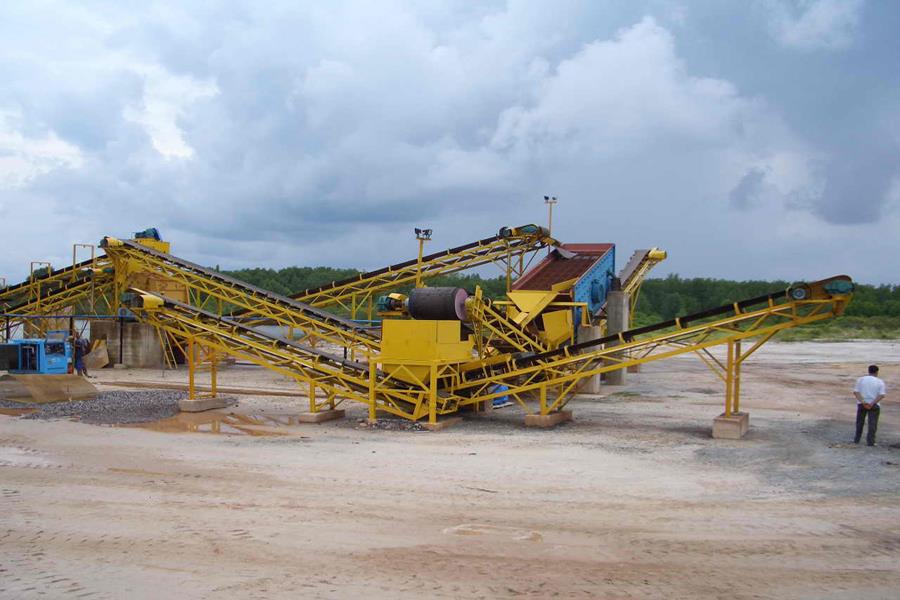
Which crusher offers the best cost-performance ratio for sand production
-
-
-
-
How to Reduce Dust and Remove Dust from Crushers in Sand and Gravel Plants