
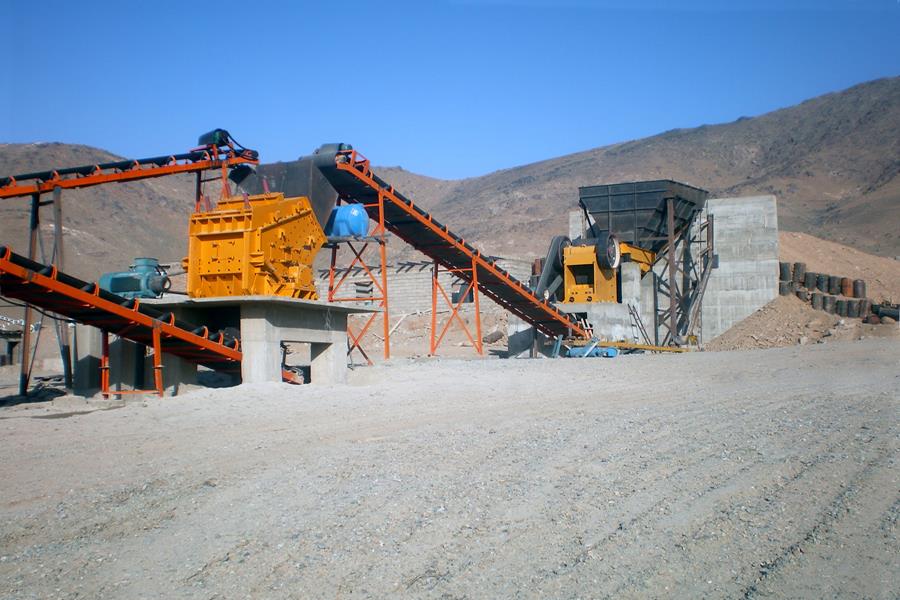
What factors influence the output capacity of a hydraulic cone crusher
As a secondary crushing unit in production lines, the hydraulic cone crusher follows the jaw crusher and is suitable for processing various medium-hard and hard materials. It features high production capacity, large crushing ratio, excellent product particle shape, low energy consumption, high automation, high reliability, simple operation and maintenance, and low wear part costs. It is one of the most popular medium and fine crushing machines. Today, we explore the factors influencing the output of hydraulic cone crushers. Understanding these points can provide valuable insights when selecting or operating crushers, helping to optimize production efficiency.
1. Human Operational Factors
Operator-related factors subjectively impact output. Neglecting these variables can significantly reduce crushing capacity. Operational factors affecting output include: whether feeding is adequate and whether feed particle size is uniform. When the crusher is operating, insufficient feeding causes the machine to run idle, leading to a severe drop in output. If the feed particle size distribution is uneven or varies greatly, crushing force distribution becomes unreasonable, causing severe liner wear and significantly impacting the output of crushed products.
2. Material Fill Volume
Material fill volume is critically related to crusher output. When fill volume is too low, material fails to fully occupy each crushing layer, inevitably reducing output. Conversely, excessive fill volume overpacks the crushing chamber, compressing material and hindering effective layer crushing. This prevents smooth material flow through the chamber, resulting in low output and poor product quality. Therefore, maintaining an optimal feed rate is crucial during feeding operations.
3. Moving Cone Rotation Speed
The rotation speed of the moving cone significantly impacts crusher output. If the rotational speed is too slow, material will slide along the contour of the moving cone liner through the crushing chamber, taking an extended time to pass through. This inevitably lowers output and degrades product particle size. Conversely, if the rotational speed is too fast, material will barely discharge downward. Even if crushed, the material experiences a stagnation period after crushing, inevitably leading to blockages.
4. Length of the Balancing Zone in Laminar Crushing
The parallel zone originates at the crushing chamber's blockage point. A shorter parallel zone lowers this blockage point, effectively increasing the effective diameter of the moving cone within the crushing chamber. This boosts output but degrades product quality. Conversely, a longer parallel zone raises the blockage point, reducing output while improving product quality. A longer parallel zone with smaller feed and discharge openings yields finer product particle size. Typically, the short-head type with a longer parallel zone is used for fine crushing after medium crushing. The standard type, with its shorter parallel zone, produces coarser material and higher output, and is generally employed for medium crushing after primary crushing, following jaw or gyratory crushers. Therefore, the selection of a cone crusher model should be based on specific material requirements.
5. Eccentricity Size
The size of the precession angle directly determines the crusher's eccentricity and the swing stroke of the discharge opening. When the precession angle increases, the crusher's eccentricity and discharge swing stroke also increase. This allows material to fall more freely, boosting output. However, the number of times material is compressed and crushed within the crushing chamber decreases, leading to lower product quality. When the precession angle decreases, the crusher's eccentricity and discharge port swing stroke decrease, prolonging material residence time in the crushing chamber. This reduces output but improves product quality through more thorough crushing. Therefore, reducing the precession angle increases output while maintaining product quality.
6. Size of the Tight Side Discharge Opening
The tight side discharge opening size determines the cone crusher's output. Increasing this opening boosts output but degrades product quality, raising the proportion of needle-like and flake-shaped particles. Conversely, reducing the opening decreases output but improves product quality.
The above factors influence cone crusher output. We hope this provides useful information. We welcome visits to OCP Heavy Industry for on-site inspections of our facilities and crushers, as well as consultations on crusher selection. Our specialists will recommend the most suitable crusher based on your material properties and regional production characteristics! Click our website chat for immediate free consultation—available 24/7.
-
What exactly is the laminar crushing action of a hydraulic cone crusher
-
What crushing equipment is required for granite sand production? What is the sand-making process?
-
-
-