What Affects Sand Shape from VSI Crusher for Concrete Sand
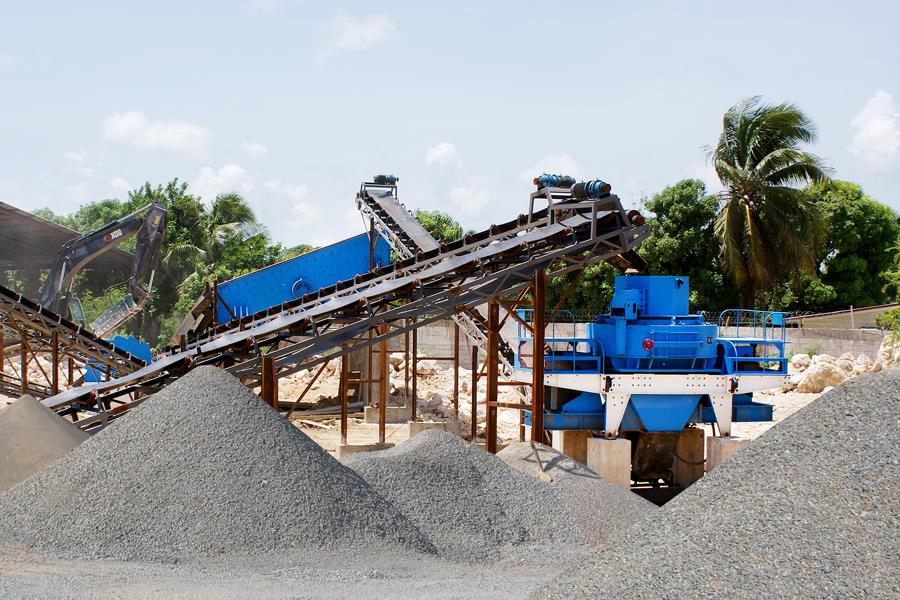
For concrete sand producers worldwide, the shape of manufactured sand directly influences concrete workability and strength. Understanding what affects sand shape from VSI crusher for concrete sand helps you produce a more cubical product, reduce cement demand, and meet ASTM C33 or EN 12620 standards. The Type V vertical shaft impactor (VSI) is widely used for shaping, but several parameters can be adjusted to improve or degrade particle shape. Below we explain the key factors and how OCP Mechanical Company supports your optimization efforts.
1. Rotor Speed and Cascade Ratio
The most significant factor in what affects sand shape from VSI crusher for concrete sand is rotor speed. Higher rotor speed (e.g., 1,700‑1,900 rpm) increases impact energy, producing more cubical particles but also generating additional fines. Lower speed (1,300‑1,500 rpm) may produce coarser, less shaped sand with a higher flakiness index. The cascade ratio – the portion of feed that bypasses the rotor – also influences shape. A higher cascade (30‑40%) reduces the number of particles thrown by the rotor, resulting in slightly less shape improvement but lower wear costs. For concrete sand, a rotor speed of 1,600‑1,800 rpm with a cascade of 20‑25% is a widely used starting point. Note: Product data are constantly updated; for the latest VSI operating guidelines, please contact our online customer service.
Many sand plants in the UAE and Europe have improved their sand flakiness index from 20% to 12% by increasing rotor speed by 200 rpm and reducing cascade.
2. Feed Size and Moisture Content
Feed characteristics are another critical aspect of what affects sand shape from VSI crusher for concrete sand. For optimal shaping, the VSI should receive a well‑graded feed in the range of 10‑40 mm. Oversize lumps (>50 mm) cause erratic impact and can produce elongated particles. Undersize fines (<5 mm) should be removed before the VSI, as they do not contribute to shaping and only increase tip wear. Moisture content also matters – dry feed produces a more consistent shape, while damp feed (above 5‑6%) can cause material to stick inside the rotor, reducing impact efficiency and degrading shape.
OCP recommends installing a vibrating screen before the VSI to scalp out fines and oversize. A typical concrete sand specification requires 80‑90% of particles to be within 0‑5 mm, with a flakiness index below 15%.
The above values are for illustration only. Contact our team for a current, site‑specific analysis.
3. Rotor Tip and Chamber Configuration
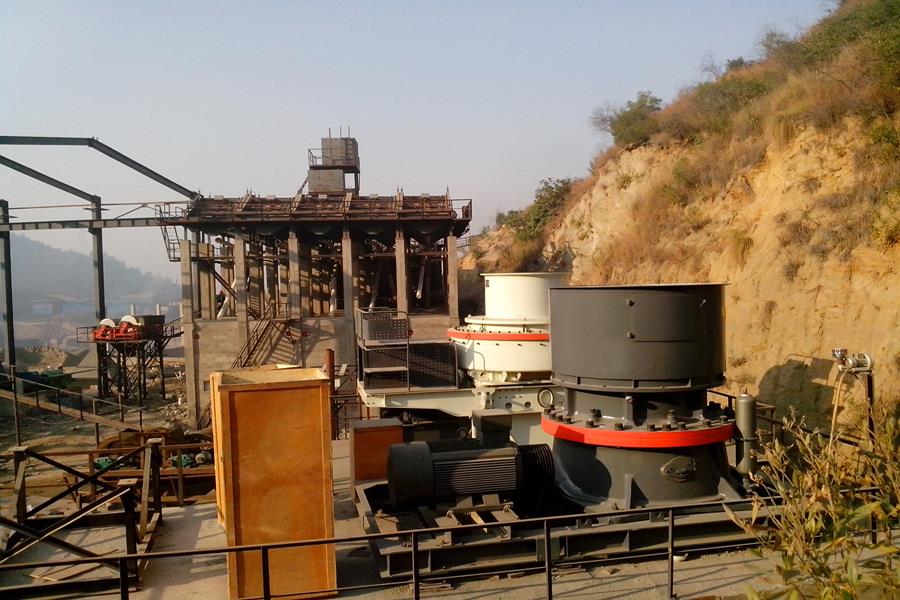
The design of the rotor and crushing chamber directly answers what affects sand shape from VSI crusher for concrete sand. Tungsten carbide rotor tips with a sharp profile produce a more aggressive impact, improving cubicity. Worn, rounded tips reduce shaping ability. The chamber type – rock‑on‑rock (ROR) versus anvil – also matters. ROR produces a more cubical sand because particles break against each other, while anvil configuration may generate a higher proportion of fines. For concrete sand, ROR is widely preferred.
Additionally, the distributor plate’s condition affects material acceleration. A worn plate leads to uneven feeding, reducing shape consistency. Regular inspection and timely replacement of tips and distributor plates are essential.
As a direct‑selling manufacturer, OCP supplies genuine VSI parts and provides remote tuning support. For a no‑obligation consultation on what affects sand shape from VSI crusher for concrete sand, simply click the live chat icon on this page. Our online customer service team is available 24 hours a day, 7 days a week, to answer your technical questions, provide free recommendations, and help you produce premium concrete sand.