Tips for maintaining a sand screw washer for sea sand
1. Understand the Unique Challenges of Sea Sand
Washing sea sand is different from river or crushed sand. Sea sand contains salt, chloride, shell fragments, and often higher silt content. For tips for maintaining a sand screw washer for sea sand, the first priority is corrosion prevention. The screw shaft, water seals, and bearings are constantly exposed to saline water, which accelerates rust and pitting. Use marine-grade stainless steel or epoxy-coated components where possible. Also, install a fresh water rinsing system at the discharge end to reduce salt residue. Actual wear life depends on sand abrasiveness, salt concentration, and operating hours. Always consult your equipment manual or OCP engineers for site-specific advice.
2. Daily Inspection Checklist for Screw Washers
To keep your sand screw washer running efficiently in Vietnam or Indonesia’s coastal quarries, follow these tips for maintaining a sand screw washer for sea sand every shift:
Check the oil level and condition in the gearbox and bearings – water contamination turns oil milky. Change oil immediately if water is detected.
Inspect the screw flights (blades) for wear or cracks – worn flights reduce conveying and dewatering capacity. A worn flight can cut throughput by 20-30%.
Listen for unusual noises – grinding sounds may indicate a broken bearing or a stone lodged in the seal.
Verify the overflow weir setting – too low weir loses fine sand; too high causes overflow of dirty water.
Daily logs help predict maintenance intervals. OCP Mechanical Company recommends keeping a spare set of wear parts (flights, bearings, shaft seals) on site for quick replacement.
3. Lubrication and Seal Protection in Salty Environments
One of the most critical tips for maintaining a sand screw washer for sea sand is to use high-quality grease with anti-corrosion additives for all bearings. Standard lithium grease washes away quickly under water spray. Instead, use marine-grade calcium sulfonate or aluminum complex grease – it resists water washout and salt attack. The trough liners and shaft seals should be checked weekly. If your washer uses a mechanical seal (Type M), replace it every 3-6 months in sea sand service. For older washers with gland packing, tighten it just enough to leak a few drops per minute – overtightening burns the shaft. *Performance data are based on typical sea sand (medium abrasion, 3% salt). For latest parameters, please contact our 24/7 support team.*
4. Optimize Water Flow and Silt Removal
A sand screw washer removes silt and lightweight impurities by overflow. For sea sand, the target is often concrete-grade sand (<3% silt, <0.01% chloride). To achieve this while maintaining production, follow these tips for maintaining a sand screw washer for sea sand:
Adjust water flow rate – too little water leaves silt in the product; too much washes away valuable fine sand. A flow of 20-30 m³/h per meter of trough width is a good starting point for 65-85 tph.
Use a dewatering screen after the screw to remove excess moisture – this improves stockpile drainage and reduces salt retention.
Install a hydrocyclone ahead of the screw for closed-circuit fines recovery – this can increase sand yield by 10-15% while keeping silt low.
Machine efficiency and cost-effectiveness are our design goals, but results depend on proper tuning and feed consistency.
5. Why OCP Sand Screw Washers Are Built for Coastal Quarries
OCP Mechanical Company has over 40 years of experience manufacturing highly reliable washing equipment for harsh conditions. As a direct factory, we offer cost-effective sand screw washers with features specifically for sea sand: stainless steel water spray bars, replaceable polyurethane wear liners, and oversized bearings with triple lip seals. Our Type SW-90 model is widely used in Vietnam and Indonesia for processing 80-100 tph of sea sand. We also provide free online consulting on screw speed (typically 4-6 rpm for sea sand), weir height adjustment, and corrosion prevention coatings. Prices shown are for reference only – final quotes depend on model, options, and shipping. OCP reserves the right to update specifications without prior notice.
Need expert advice on maintaining your sand screw washer? Our customer service team is online 24/7 – click the chat button for free troubleshooting, spare parts pricing, or a customized maintenance schedule. Let OCP keep your sea sand washing line running smoothly.
-
-
Difference between impact crusher and hammer crusher for gypsum
-
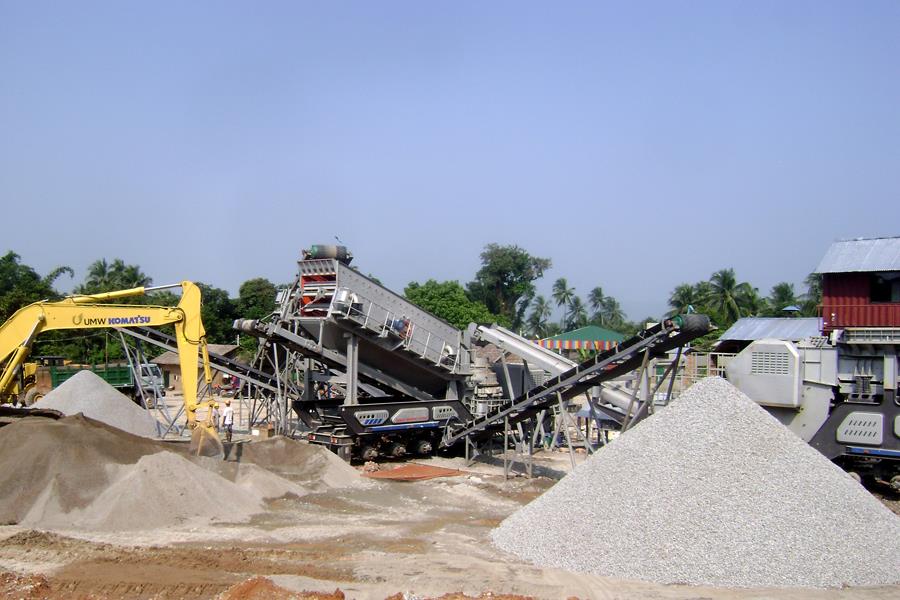
How to set up a 350 tph granite crushing line with cone crusher
-
-