
The Path Forward for Recycling Construction Waste
Given the massive volume, diverse types, and complex nature of construction waste, hasty dumping or landfilling adversely impacts the human living environment. Therefore, establishing a sound construction waste collection system is an urgent priority.
I. Primary Types of Construction Waste Currently
Currently, construction waste primarily includes the following categories:
Floor materials for exterior wall insulation (rock wool, polystyrene boards, extruded polystyrene boards)
Waterproofing membranes (SBS modified bitumen)
Bare soil covers (HDPE), geotextiles (polyester, polypropylene blends, and other composite materials), and dust control nets
Perimeter safety netting (HDPE)
On-site promotional banners (PVC-coated fabric), KT boards (polystyrene plastic), etc.
Road hardening, broken concrete blocks (non-biodegradable, relatively low pollution)
Secondary structural residues, various block edges and corner materials (non-biodegradable, relatively low pollution)
Bricks, tiles, iron, wood products, etc., and their packaging bags, primarily polyvinyl chloride and other plastic products
Construction waste encompasses diverse materials in various forms, characterized by slow biodegradability and toxicity. Yet these hazardous residues, when mixed, become mere trash; properly sorted and recycled, they represent significant value.
Of course, resource conservation begins with meticulous construction practices that minimize material cutting.
Many believe that compared to the cost of construction itself, the waste from construction debris is insignificant! We should step back from the construction site to view this issue and look beyond the immediate profits to consider construction waste. Where does construction waste go after it's generated? What impact does it have on the environment? The sorting of construction waste is something worth pondering.
II. The Fate of Construction Waste
Currently, the primary method for handling construction waste is to clear the debris and transport it to processing plants for centralized treatment. However, there are several specific disposal methods:
Landfills: Used for non-recyclable construction waste in backfilling sites distant from urban areas. This method consumes vast land areas and pollutes soil and water resources.
Crushing and reuse: Primarily applied to demolition debris. Construction waste generated on-site achieves higher reuse rates when crushed locally, while post-project reuse rates remain relatively low—mainly due to inadequate waste sorting.
Open-Air Dumping: This crude method handles most construction waste. It degrades soil quality through land occupation. As urban construction increases, dumping sites proliferate and expand, intensifying land disputes between waste and residents. Most suburban dumps operate as open-air landfills. After prolonged exposure to sunlight and rainfall, harmful substances within the waste—including polycyclic aromatic hydrocarbons released from paints, coatings, and asphalt found in urban construction debris—percolate into the soil via landfill leachate. This triggers a series of physical, chemical, and biological reactions—such as filtration, adsorption, precipitation, plant root absorption, or microbial synthesis and uptake—leading to suburban soil contamination and degraded soil quality.
The final—and most helpless—method of handling it is to leave it behind! This is currently the situation at construction sites where funds are insufficient for removal.
The environmental governance landscape is now clear: the economy must yield to environmental protection. Thus, high standards, meticulous refinement, waste reduction, and green construction have taken center stage in history.
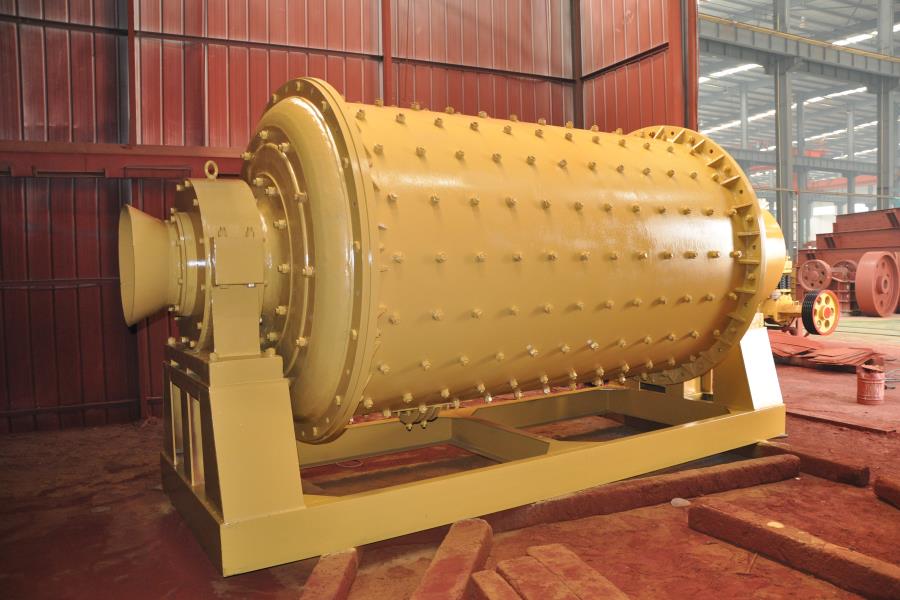
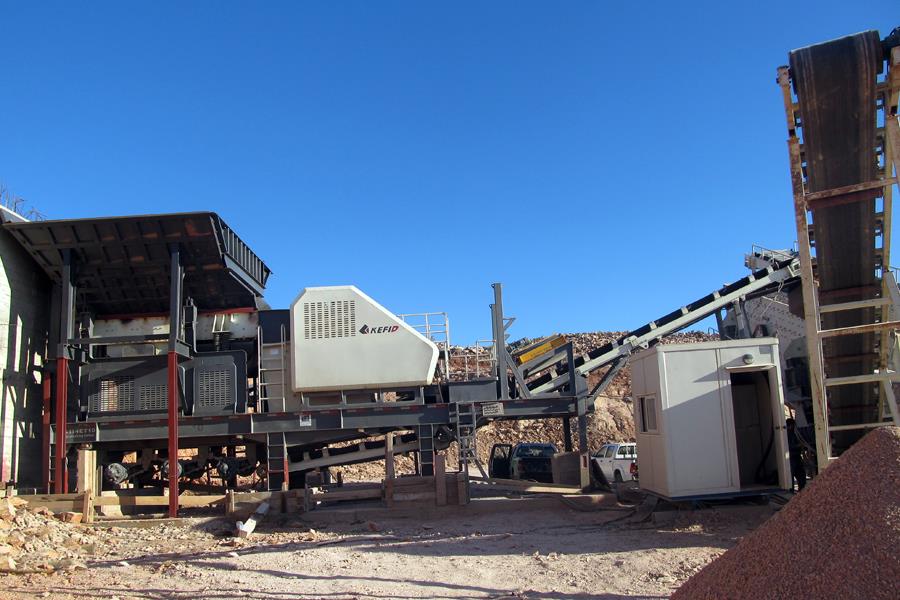
Here, we recommend construction waste processing equipment: mobile crushing stations with multiple configuration options, specifically designed for handling construction debris. As an experienced manufacturer of mobile crushing equipment, we offer a comprehensive range of models at competitive prices. Click our website chat for free online consultation, where our technical experts will provide customized equipment configurations and quotations.
-
-
-
-
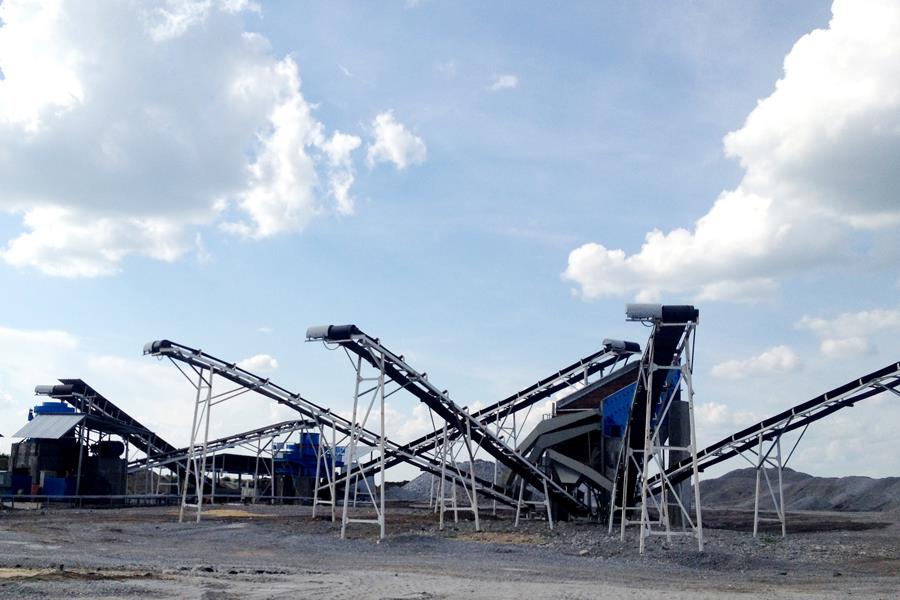
Common Construction Sand and Gravel Aggregate Sand-Making Equipment
-
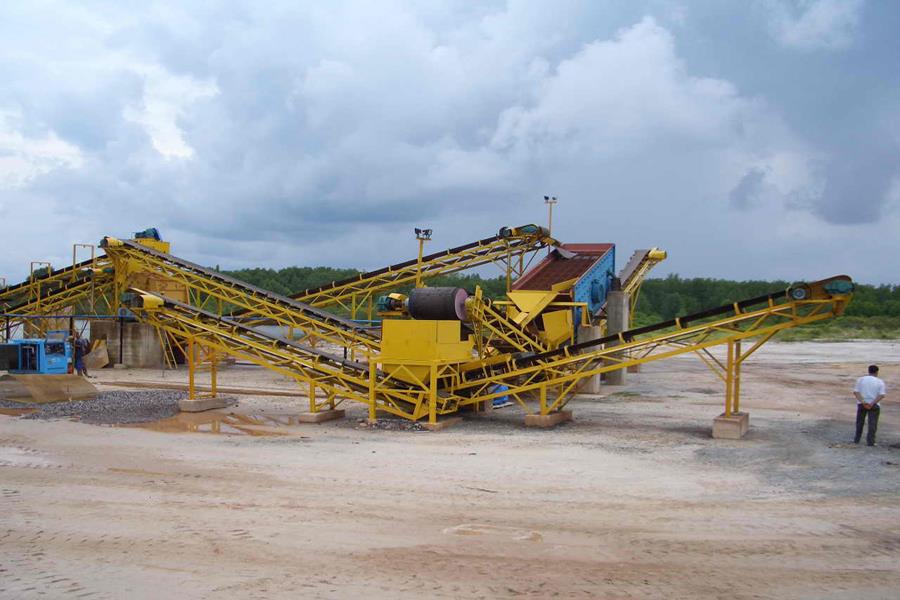
Key Considerations in Designing Complete Ore Crushing Production Lines