Key Considerations in Designing Complete Ore Crushing Production Lines
Key Considerations in Designing Complete Ore Crushing Production Lines:
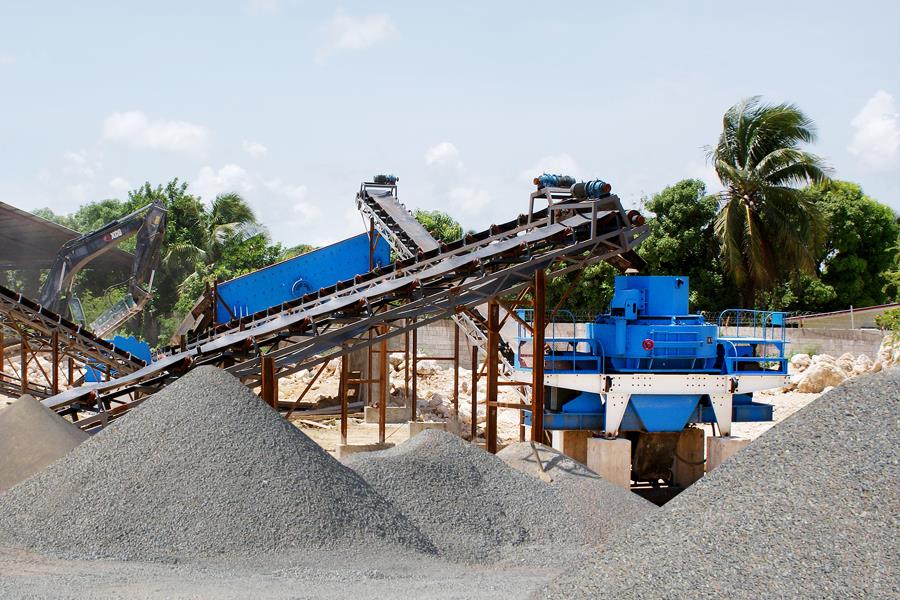
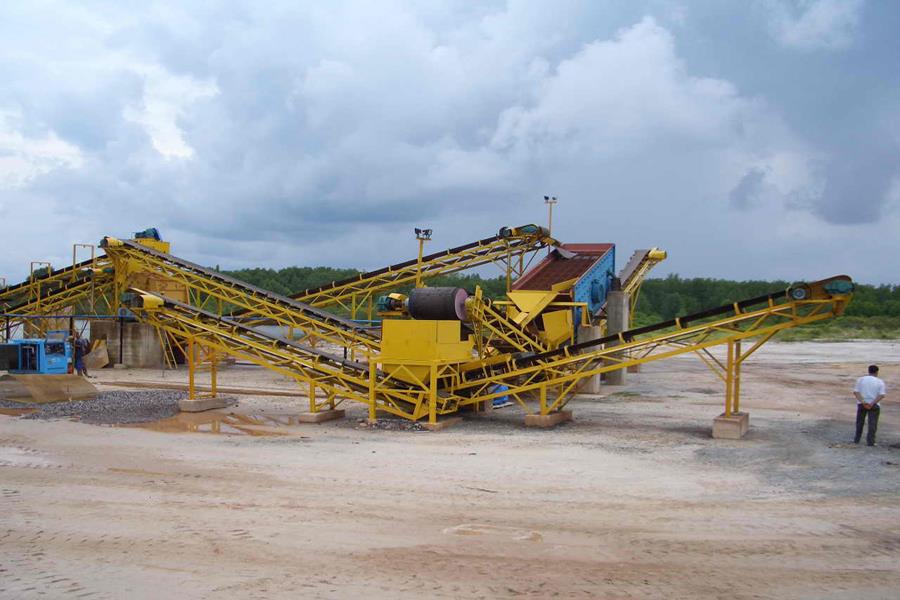
With the increasing scale of sand and gravel aggregate production lines and stricter environmental requirements, comprehensive factors must be considered during design, including raw material characteristics, finished product specifications, site conditions, environmental standards, construction costs, and long-term operational expenses.
First, when designing the process flow, the layout of the entire material yard must be comprehensively considered based on actual site conditions. These include raw material characteristics, production capacity, finished product specifications, site size, power supply, access/exit roads, elevation differences between platforms, drainage, wind direction, and future maintenance access routes. Equipment layout should be as compact as possible to facilitate subsequent operational management. The crushing process design should follow the principle of multi-stage crushing, typically involving two-stage, three-stage, or four-stage crushing. The specific method selected should be determined based on raw material characteristics, production capacity, and finished product specifications.
Second, the selection of crushing equipment must be tailored to the specific raw material. A key consideration during equipment selection is matching the capacity of preceding and succeeding units to the designed production requirements, avoiding mismatches where the initial stage is oversized relative to the final stage or vice versa. Additionally, the feed requirements of each equipment must be considered; the material processed by preceding units must meet the feed specifications of subsequent units to prevent material jamming.
Third, when selecting screening equipment, opt for larger capacity units whenever feasible. Thorough and efficient screening not only produces qualified finished products but also enhances overall output.
Fourth, the selection of supporting environmental protection facilities. With increasing national emphasis on environmental protection, the previous extensive, high-pollution production model is no longer suitable for modern sand and gravel plants. Environmental considerations should focus on three key areas: noise, dust, and wastewater. Their discharge standards must comply with current national environmental protection regulations.
Fifth, finished product yard design can incorporate manual loading or automated weighing loading systems. Automated weighing loading systems not only significantly boost loading efficiency but also effectively reduce labor costs.
Sixth, as aggregate plants grow larger, yard control and monitoring systems should be designed with centralized control, intelligent management, and monitoring capabilities to facilitate long-term operational management.
OCP specializes in the research, development, and production of complete sets of equipment for crushing, screening, grinding, washing, feeding, conveying, environmental protection, dust removal, as well as steel, metallurgy, and steel slag processing and recycling. Our products are widely applied in the crushing and processing of metals, non-metallic minerals, energy raw materials, and metallurgical waste residues within the steel and metallurgical sectors. Click the website customer service for immediate free consultation, available 24/7.
-
-
-
Which Sand Making Machine is Best for Producing Construction Sand and Gravel Aggregates
-
Equipment for Producing Sand and Gravel Aggregates for Highway Pavement Construction
-