
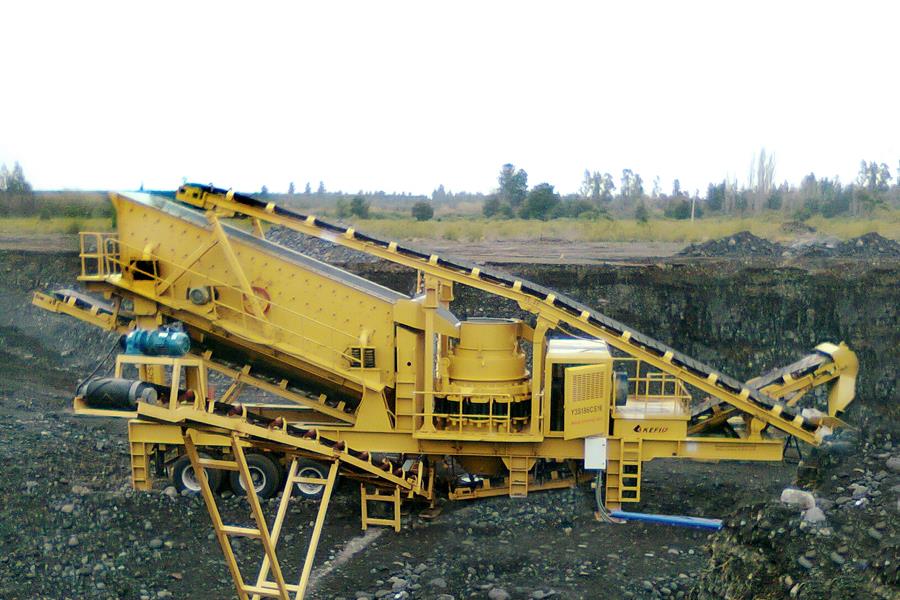
Setting Up a 200 tph Limestone Impact Plant in Zambia
The setup starts at the quarry face, not the crusher
Setting up a 200 tph limestone impact crusher plant in Zambia starts at the quarry face, not at the crusher frame. A plant that works on paper but ignores feed size, haul road, drainage and power will spend its first season catching up. The right sequence is: define the products, lay out the flow, size the machines, then plan foundations, power and commissioning. Setting up a 200 tph limestone impact crusher plant in Zambia is a layout problem before it is a purchase problem.
Plant flow at 200 tph
The standard flow runs from a feed hopper with a grizzly, through a primary crusher, to a secondary impactor, then to a screening deck or decks, with oversize returning to the secondary and finished fractions going to stockpile conveyors. Limestone is soft enough that the impactor does most of the reduction work, but the flow still needs a scalping stage to remove fines and protect the crusher. Draw the material path first; the machine positions follow the path.
Primary choice: jaw or first impactor
Where the blast produces lumps above 400 to 500 mm, a primary jaw takes the first hit and feeds the secondary impactor. Where the run-of-quarry feed is smaller and more even, a primary impactor alone can cover the duty with one fewer stage. The choice follows your blasting and feed size, not the brochure. A PE-750×1060 class jaw or a PF-1214 class impactor are the usual anchors at this tonnage; the match is set by your max lump and required product.
Screen and product cut points
Decide the sellable fractions before sizing the screen: 3/4 inch, 1/2 inch, 3/8 inch and dust are the common aggregate cuts, plus any cement feed specification. Two decks make three products, three decks make four. The screen area is set by the finest aperture and the required efficiency, not by the 200 tph headline. Size the return conveyor to carry the recirculating oversize, which can run well above fresh feed.
Layout on site
Put the hopper close to the haul road, keep the flow straight rather than zig-zag, and leave space around each machine for maintenance and liner change-out. Stockpiles sit behind the screen, with separate conveyors for each fraction and enough room for trucks to turn. The control position and electrical cabinet stay out of the dust line and away from flood water. Mark a workshop area for liners, tools and the spare set before erection starts.
Power, load shedding and the generator
The grid runs 50 Hz at 220 and 400 V, and supply interruptions are a working condition in parts of the country. Size the connected load from the largest motor, plan the starting method (soft starter or VFD) for the big drives, and decide whether a generator carries the plant through outages or the operation tolerates stops. Fuel per tonne matters at 200 tph; ask for the litres per hour at your duty in writing.
Water, dust and the permit
Dust suppression at the hopper, transfer points and stockpiles is both a working condition and a permit condition. Water for suppression needs a source and a holding arrangement; a closed water loop helps where supply is tight. The site needs its environmental approval and quarry or mining licence in force before construction. Keep the paperwork matched to the layout, because an approved layout cannot be moved without review.
Foundations and laterite ground
Laterite and rock cut foundations differ, and the machine weight plus vibration ask for a foundation designed to the loads in the supplier's drawings. Check the water table and surface runoff, grade the site so rain drains away from the plant, and provide drainage that does not wash fines into a neighbour's land. Heavy-duty feed hoppers and conveyors on soft ground need compaction or a base beam. A foundation that cracks after start-up is a cost that should have been civil works budget.
Commissioning sequence
Commission in order: electrical checks and no-load run, lube and rotation confirmed, then a light load, then full feed. Watch bearing temperature, current draw and vibration through the first shift, then tune the closed-side setting to hit the target gradation. Keep a log of hours, readings and any adjustment. The first week decides wear life and product shape; it should not be improvised.
Budget envelope
A 200 tph limestone impact plant lands roughly between USD 250,000 and 500,000 for crushers, feeders, screens, conveyors, structure and electricals, before civils, workshop and stockpile works. Prices are indicative and for reference only. Put the first spare liner set, media and a bearing kit into the same budget; limestone wears less than granite, but the consumables still arrive in year one.
How OCP lays out the plant with you
OCP Mechanical Company has supplied complete crushing lines for more than 40 years: jaw and cone crushers, impact and VSI machines, feeders, vibrating screens, sand washers, conveyors and structural packages for aggregate, cement feed and metal ores. We lay out the flow around your products and feed size, ship direct from the factory, and support commissioning through a remote call or site visit. Setting up a 200 tph limestone impact crusher plant in Zambia becomes a straight sequence once the products and the layout are fixed.
Send the max lump, the fractions and the site conditions
Give us your max lump, required fractions, site conditions and power arrangement, and we will return a plant flow with machine list, layout notes and a delivered price, free of charge. The chat button on this site reaches an engineer 24 hours a day. Setting up a 200 tph limestone impact crusher plant in Zambia rests on the flow and the foundations, not on a single crusher choice. Capacity and price figures above are indicative and updated continuously.
Notes: Actual results vary with material characteristics, operating conditions, installation and maintenance practice. OCP Mechanical Company reserves the right to update technical data and prices. All prices and parameters above are for reference only — confirm final figures with our team.
-
-
Limestone Crushing Plant Supplier Nigeria: Planning for a 30-Year Quarry
-
-
-
Aggregate Crushing Plant Supplier Nigeria: Managing Inventory When Shipments Slow